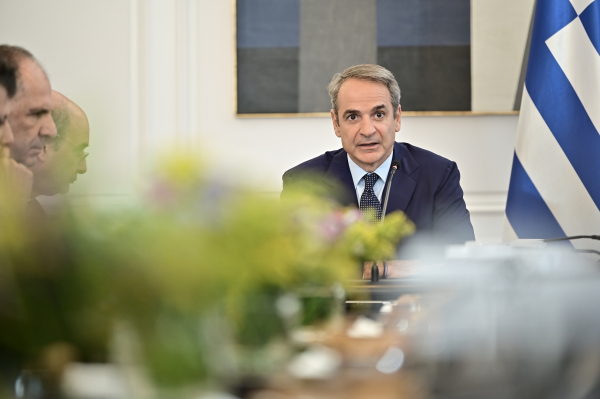

The decision triggered widespread backlash, prompting Finance Minister Kyriakos Pierrakakis to step in with immediate regulatory action. In a move reminiscent of his predecessor and current Deputy Prime Minister Kostis Hatzidakis, Pierrakakis unveiled a set of measures designed to ease the financial burden on consumers, particularly regular bank customers.
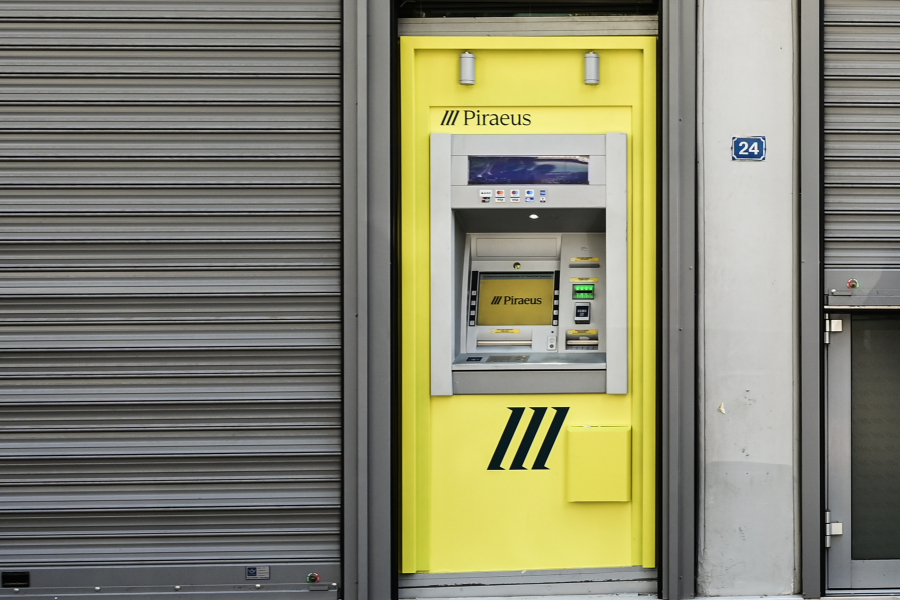
The new rules overhaul the ATM fee structure nationwide. Charges have been scrapped for bank customers using ATMs of other banks within Greece’s DIAS interbank network. Withdrawals from machines operated by service providers that share shareholder ties with a customer’s bank are now also fee-free. For all other ATM transactions—including those from foreign banks or third-party providers outside DIAS—a cap of €1.50 has been introduced.
In remote areas where only a single ATM is available, users will no longer be charged for withdrawals, regardless of the provider. Balance inquiries are now free, and third-party ATM providers must align their wire transfer fees with those set by traditional banks.
These consumer-friendly reforms, while popular, carry significant financial implications for the banking sector. Early estimates suggest that each of Greece’s four systemic banks could see annual losses of up to €20 million in fee revenue. Collectively, these banks brought in €2.1 billion in fees in 2024. The new regulations are expected to shave off around €80 million, or 3.8 percent, of that total. When added to previous cuts introduced by Hatzidakis, which reduced fee revenues by 7.5 percent, the total financial impact over the last eight months climbs to €237.5 million—roughly 11.3 percent of overall fee income. Still, banks retain nearly 89 percent of those revenues, and given the country’s growing economic activity, they are likely to continue generating strong fee-based income.
Yet the pace and manner of the government’s intervention have not gone without criticism—particularly concerning its failure to engage in formal consultation with the European Central Bank (ECB). Pierrakakis publicly thanked Bank of Greece Governor Yannis Stournaras, Deputy Governor and DIAS Chair Christina Papaconstantinou, and the central bank’s legal team for rushing to finalize the new framework over a weekend. However, his claim that the ECB had been properly consulted has since been disputed.
Responding to inquiries, an ECB spokesperson confirmed that Greek authorities did not follow the consultation procedure mandated under EU law. The ECB was not officially invited to issue an opinion under Articles 127(4) and 282(5) of the Treaty on the Functioning of the European Union, nor under Article 2(1) of Council Decision 98/415/EC.