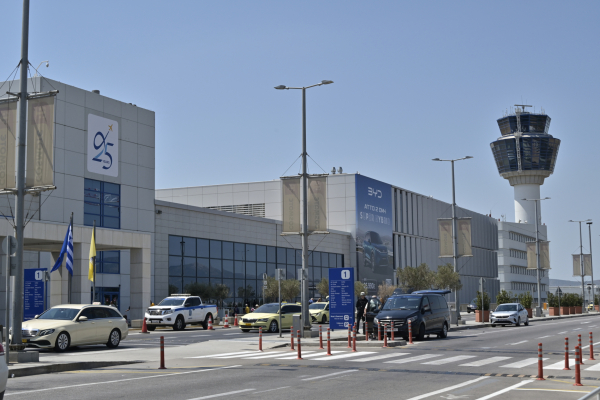

These include Zakynthos, Kefalonia, Corfu, Santorini, Rhodes, Mytilene, Samos, and Mykonos—destinations that attract millions of international visitors each year.
The initiative is part of the broader concession agreement covering 14 regional airports managed by Fraport Greece, aimed at strengthening the country’s aviation capacity and enhancing its appeal as a top-tier travel destination.
The project plays a vital role in improving flight safety, operational resilience, and overall airport performance, particularly in areas where tourism is a key economic driver. It includes substantial work on runway safety zones and Runway End Safety Areas (RESAs), which are essential for meeting both European and international regulatory standards.
Funded in part by the European Union’s Recovery and Resilience Facility, the construction will require temporary runway closures, strategically scheduled during off-peak periods to limit disruption to airport services and the tourism sector. For instance, work in Kefalonia is scheduled to begin on November 17, 2025, followed by Zakynthos on February 2, 2026. In Mykonos and Rhodes, upgrades will be carried out on a weekly basis from November 2025 through March 2026.
Fraport Greece stresses that while runway closures are unavoidable due to the complexity of the engineering work, all other airport operations will continue uninterrupted. Emergency services, including helicopter flights for medical evacuations, firefighting, and governmental use, will remain fully supported.