
This extreme heat is expected to last for at least four consecutive days, marking a significant escalation compared to the earlier, milder heatwave.
According to Konstantinos Lagouvardos, Director of Research at the National Observatory of Athens, this new heatwave will be more aggressive and prolonged, significantly affecting both daytime and nighttime conditions. While the previous phase of hot weather saw highs in the range of 37 to 40°C, it was generally considered moderate. In contrast, the new wave is expected to bring more intense heat, with less temperature variation between day and night.
What makes this heatwave particularly dangerous is not only the extreme daytime temperatures but also the unusually high nighttime temperatures, which will offer little to no relief. This sustained heat through the night prevents the human body from recovering from the stress of the day, increasing the risk of heat-related illnesses, especially for the elderly and those with pre-existing health conditions.
The situation is further complicated by a significant rise in air pollution. The combination of high heat, increased ozone levels, and airborne particles creates a toxic environment. Professor Dimosthenis Sarigiannis, an environmental engineering expert at the Aristotle University of Thessaloniki, warned that this “triple burden” poses a serious threat to public health, particularly for individuals suffering from respiratory or cardiovascular conditions such as asthma or heart disease.
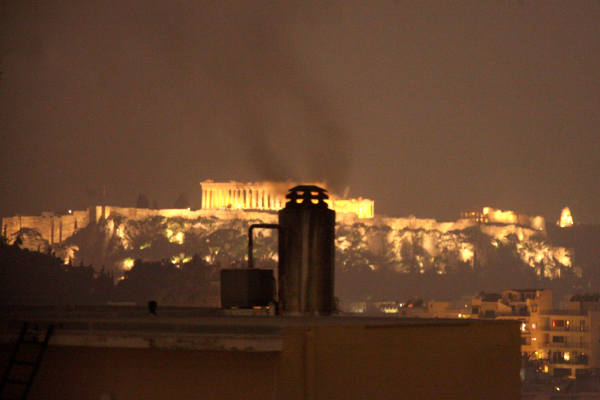
Urban areas are expected to suffer the most, as concrete surfaces retain heat and limit nighttime cooling. The major regions expected to bear the brunt of the heat include Central Macedonia, Thessaly, Eastern Central Greece, Attica (which includes Athens), and the Peloponnese. Even typically cooler island areas like the Cyclades may experience unusually high temperatures.
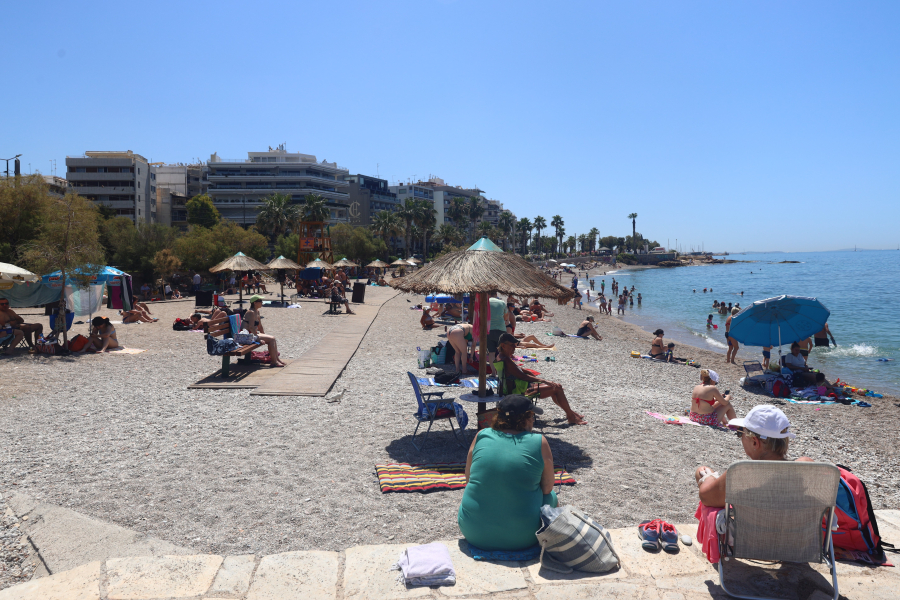
For many residents, daily life is already being adjusted to cope with the conditions. Public advice has largely been to stay indoors, avoid unnecessary travel, and use air conditioning where possible. Beaches and shaded areas are seeing more visitors, while cities empty during the hottest hours of the day.