
Greece is bracing for a new wave of political turmoil as judicial authorities prepare to unveil a second case file connected to the ongoing subsidy scandal at the Hellenic Payment Authority (OPEKEPE), the country’s agricultural subsidies agency. This next phase of the investigation, expected to surface in September, is believed to implicate a significant number of sitting members of parliament, according to revelations aired by Greece’s MEGA TV.
The scandal—already one of the most toxic in recent Greek political memory—involves alleged misappropriation of millions of euros in EU agricultural funds, with fraudulent subsidy claims backed by fake contracts and even the misuse of taxpayer IDs belonging to the state postal service (ELTA). According to press reports, the network behind the scheme siphoned off more than €15 million between 2019 and 2022 alone.
Journalist Ioanna Mandrou, citing sources close to the European Public Prosecutor's Office, emphasized that the portion of the investigation already sent to Parliament is merely a small fragment of the overall case. The main dossier, she reported, is still under judicial scrutiny and is expected to be broader and more politically explosive. Although no minister-level officials have yet been formally implicated, investigators have pointedly left open the possibility that this could change, repeatedly noting that “for now” no such individuals are named.
Mandrou stressed that “no one can predict what may happen in September,” highlighting the uncertainty hanging over the Greek political establishment as the investigation continues.
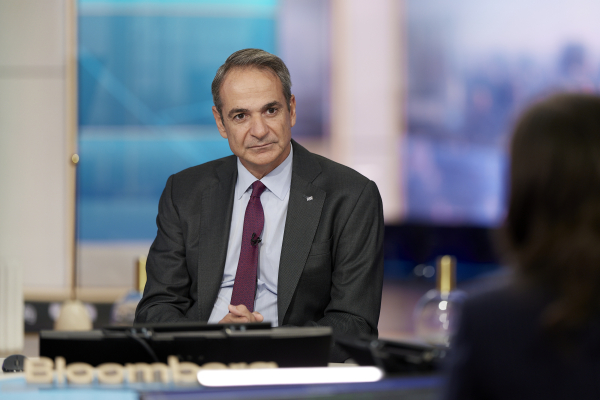
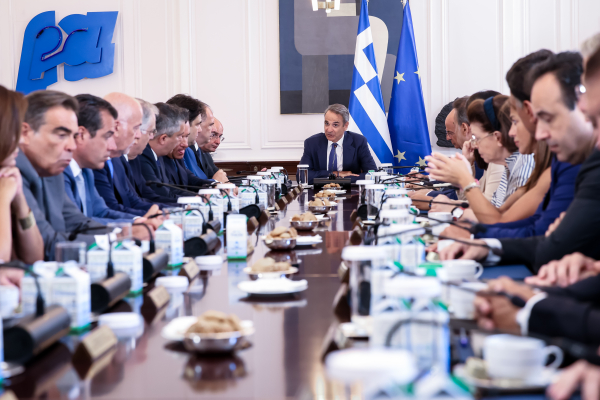
In the wake of mounting public pressure and looming legal deadlines, Greece's ruling New Democracy party announced the formation of a parliamentary inquiry committee to investigate OPEKEPE’s operations from its inception in 1998 to the present day. The move, initiated by Prime Minister Kyriakos Mitsotakis and confirmed by government spokesperson Pavlos Marinakis, is widely viewed as a political maneuver to deflect opposition calls for a formal criminal investigation into former ministers Makis Voridis and Lefteris Avgenakis, whose names have surfaced in the initial documents submitted to Parliament.
Speaking at a press briefing, Marinakis criticized the opposition for failing to submit a concrete proposal sooner, accusing them of playing political games. “We will not play hide-and-seek. Cover-up means taking steps to shield your own record,” he said.
The government’s decision to opt for a general inquiry—rather than a pre-investigative committee with the power to examine criminal liability—is being met with fierce resistance. PASOK and SYRIZA, the main opposition parties, have accused the government of attempting to dilute responsibility and protect its ministers from prosecution. PASOK spokesperson Kostas Tsoukalas said, “From today, Mr. Mitsotakis is not just the prime minister of failure; he is also the prime minister of permanent cover-ups.” SYRIZA's Kostas Zachariadis added that the move undermines the rule of law, calling it “another bypass of justice, even with a case file already before Parliament.”
Critics are particularly concerned about the statute of limitations. Under Greek law, certain offenses by ministers can no longer be prosecuted if Parliament does not act before the end of the current legislative period, which expires on October 6. The opposition fears that by stalling or avoiding a formal investigation, the government is effectively allowing the clock to run out on potential charges.
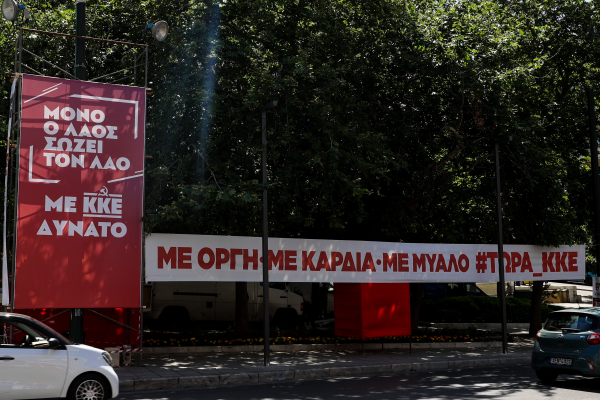
The Communist Party (KKE) also condemned the decision, calling it a blatant attempt to evade accountability. The newly formed New Left party went further, calling the Greek state under Mitsotakis “deeply corrupt and answerable to the Greek people,” and dismissing the inquiry as political theater.
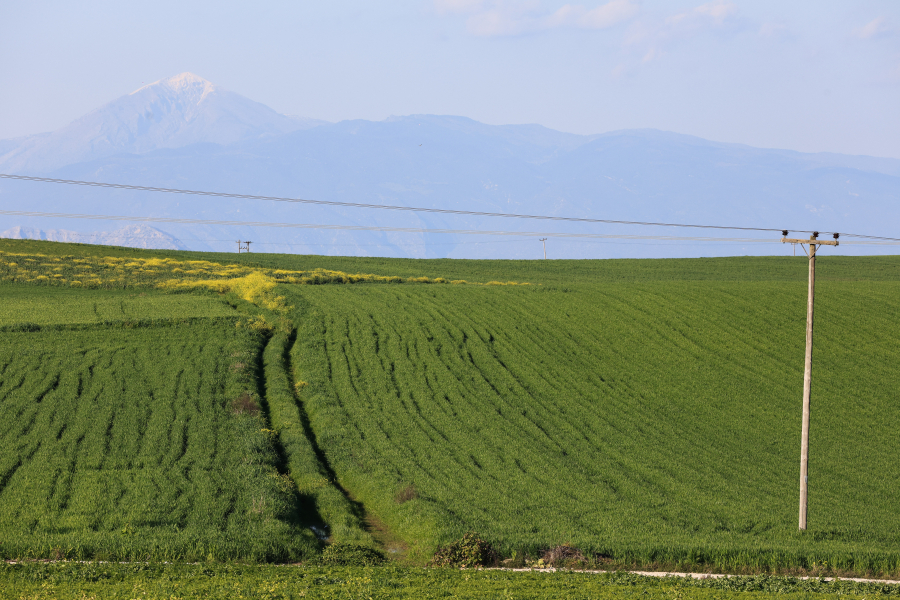
As for the scandal itself, the revelations are staggering. According to reports, a network of fraudsters exploited weaknesses in OPEKEPE’s oversight mechanisms by submitting fake contracts and using taxpayer identification numbers belonging to public institutions like ELTA to obtain EU subsidies. With political connections allegedly shielding the operation, the scheme drained millions from funds meant to support Greek farmers and rural development.
The parliamentary inquiry is scheduled to begin in September, around the same time the second case file is expected to land. What it contains—and who it names—may very well shape the next chapter of Greece’s political future.