
As Greece grapples with a political storm triggered by a scandal involving illicit agricultural subsidies from the OPEKEPE agency, the government is accelerating the rollout of a long-awaited plan to resolve a decade-old financial issue: loans denominated in Swiss francs. The timing is telling. With pressure mounting and public trust shaken, authorities appear eager to present a positive counter-narrative—one that directly impacts thousands of households and promises economic relief.
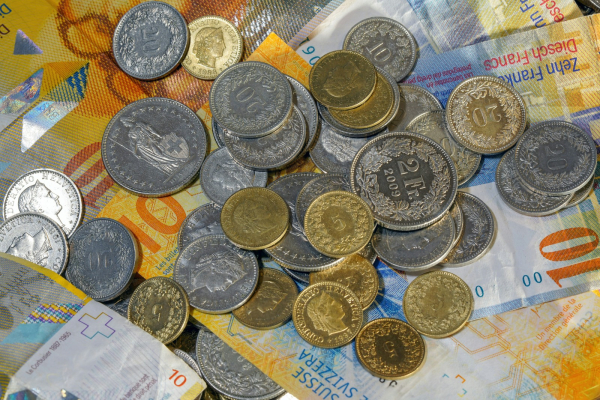
The measure, developed by the Ministry of Finance, offers borrowers the option to convert their Swiss franc loans into euros at the prevailing exchange rate. This conversion will not be mandatory, but those who choose to participate will see their existing foreign currency loans replaced by new euro-denominated ones issued by their banks. These new loans will come with fixed terms, aimed at giving borrowers more predictability and shielding them from the currency fluctuations that originally upended their finances.
A core element of the scheme involves a partial write-down of the outstanding loan amounts, ranging from 10% to 25%. Eligibility for the higher reductions will be based on the borrower’s financial situation, with the most economically vulnerable households benefiting the most. Meanwhile, the majority of borrowers are expected to receive a 10% reduction. Interest rates on the new euro loans will range from 2.3% to 3%, depending on the borrower's creditworthiness. Those in more precarious financial conditions will receive both a higher discount on their loan principal and a lower interest rate, while borrowers in stronger financial positions will see less generous terms.
This policy comes in response to a financial blow dating back to 2015, when the Swiss National Bank abandoned its currency peg to the euro. The sudden appreciation of the franc left many Greek borrowers—who had taken advantage of what were then attractively low Swiss interest rates—with drastically higher debt burdens in euro terms. What was once a cost-saving move turned into a long-term liability for thousands of families.
Yet, while the proposed regulation may provide meaningful relief and reduce household debt stress, it introduces significant challenges. One of the most pressing is the risk of moral hazard. The plan targets a specific subset of borrowers—those who chose to take on foreign currency risk—and offers them benefits not extended to others. Many Greek borrowers who took loans in euros and have faithfully met their obligations will see no such concessions. The sense of inequity could erode public confidence in the financial system and weaken the incentive for responsible borrowing.
Another concern lies with the banks themselves. The proposed loan write-downs, especially those reaching 25%, will affect bank balance sheets. Lenders will need to set aside substantial provisions to absorb the losses, with estimates suggesting a total cost between 300 and 400 million euros. For smaller or financially weaker banks, this additional burden could strain their capital reserves and potentially limit their capacity to finance other sectors of the economy.
Finally, the sustainability of the new loans remains a critical unknown. While fixed interest rates may offer stability, the real test will be whether the repayment terms align with borrowers' actual incomes. If a borrower earning 1,000 euros a month is faced with repaying 400 euros monthly under a new loan structure, there’s a high risk of default. In such cases, the reform could inadvertently contribute to a new wave of non-performing loans, undoing the very progress it seeks to achieve.