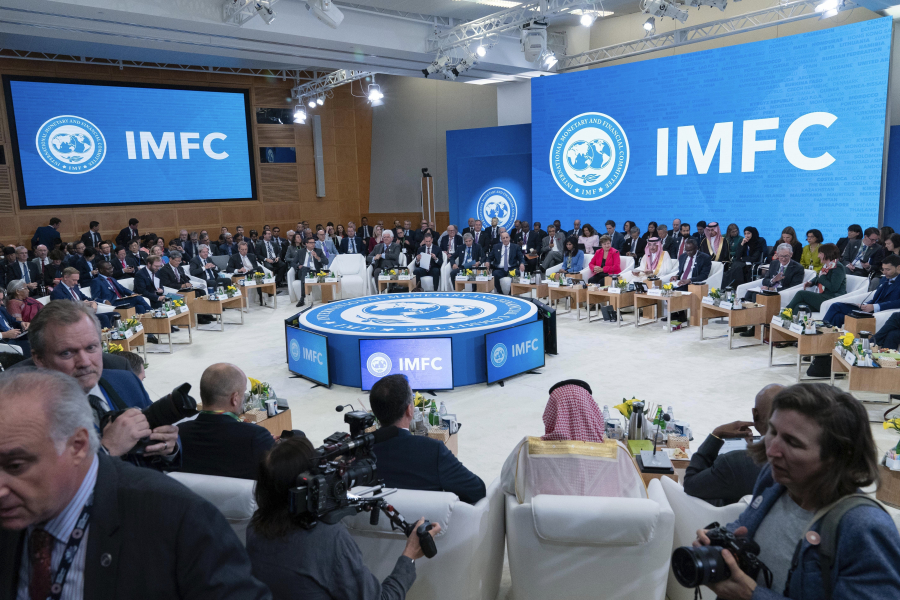

A recent report from the International Monetary Fund (IMF) examines the link between natural disasters and fiscal policies, highlighting the need for vulnerable nations to adapt their financial strategies. The findings are particularly relevant for Greece, offering key recommendations on how to strengthen economic resilience in response to climate-related threats.
Due to its geographical location, Greece is one of the most disaster-prone countries in Europe. The country sits on a major seismic fault line, making it highly susceptible to earthquakes, with ongoing seismic activity in the Santorini and Amorgos regions. Severe flooding in Thessaly and Western Greece has devastated farmlands and urban centers, causing economic losses and straining the national budget. Meanwhile, destructive wildfires have become increasingly frequent, further exacerbating financial instability.
The IMF report stresses that countries frequently affected by natural disasters must adjust their fiscal policies to build economic resilience. For Greece, this requires maintaining strict financial discipline while also allowing flexibility for emergency spending in times of crisis.
One of the key recommendations is the integration of disaster-response provisions into Greece’s fiscal rules. While the country has maintained strict financial policies due to its past debt crisis and bailout programs, the IMF warns that rigid fiscal rules can be problematic if they do not account for unexpected disaster costs. Revising financial policies to include dedicated provisions for disaster-related expenses would ensure that funds are available when emergencies strike.
Another crucial step is the creation of a permanent emergency fund. The IMF highlights the importance of fiscal reserves to respond effectively to disasters. Establishing a dedicated emergency fund, financed through budget surpluses or EU grants, would provide Greece with a reliable financial safety net for rapid response and reconstruction efforts following a disaster.
The report also emphasizes the need for flexibility in fiscal targets through the introduction of escape clauses for disaster-related spending. Strict fiscal targets should allow for temporary exceptions in times of crisis, ensuring that the Greek government can allocate emergency funds without endangering long-term economic stability. The European Union has already implemented similar measures during the COVID 19 pandemic.
Beyond domestic adjustments, Greece must maximize its use of European funding and insurance mechanisms. The European Union provides financial tools to help member states recover from natural disasters, including the Recovery and Resilience Fund. While Greece has benefited from EU funding, the country still lags behind in fully utilizing these resources for long-term disaster preparedness and infrastructure resilience.
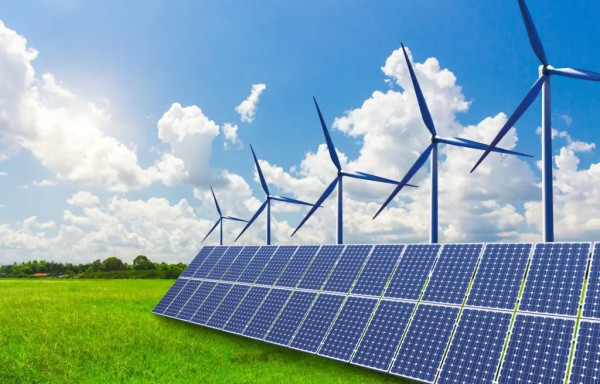
Finally, the report stresses the importance of shifting toward proactive disaster prevention rather than solely focusing on recovery. Preventing disasters is more cost-effective than dealing with their consequences. Greece must prioritize investments in flood prevention systems, forest management programs, and renewable energy initiatives. Strengthening its commitment to green infrastructure would not only enhance disaster preparedness but also support long-term economic sustainability.