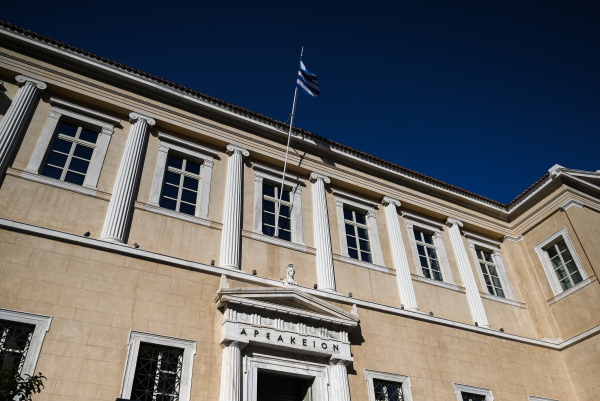
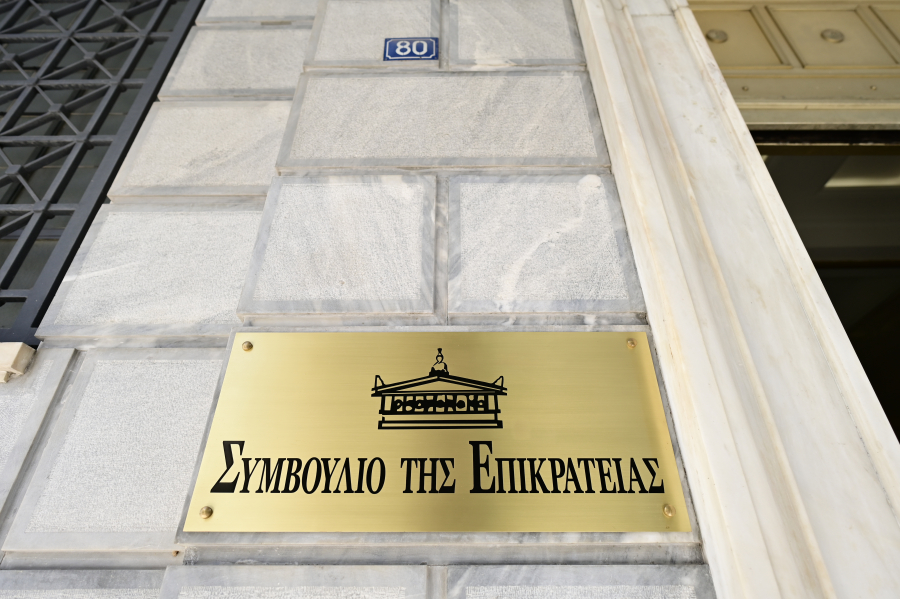

On Friday Greece’s highest administrative court, the Council of State (StE), will deliberate on several cases with far-reaching consequences for public services, privacy rights, and refugee policies.
Among the most significant issues under review are the potential privatization of water, a data leak scandal involving political figures, the classification of Turkey as a «safe third country» for refugees, and a new regulation affecting taxi drivers.
One of the most closely watched cases challenges a new water pricing policy that critics argue could pave the way for the privatization of Greece’s water supply. The policy, enacted through a ministerial decision, removes pricing control from public authorities and places it under an independent regulatory body, the Regulatory Authority for Waste, Energy, and Water (RAAEY)—the same entity that oversees Greece’s energy sector.
Opponents, including trade unions and civil society groups, argue that this move undermines the public nature of water, raises concerns over affordability, and risks water becoming as expensive as electricity, which has seen significant price hikes in recent years.
The court will also examine a high-profile data privacy case involving the leak of personal emails belonging to Greeks living abroad. The case centers on former European Parliament member Anna-Michelle Asimakopoulou, a politician from Greece’s ruling New Democracy party.
Greece’s Data Protection Authority (DPA) has already fined New Democracy, the Ministry of Interior, and several high-ranking officials, including Asimakopoulou, for improperly handling voter data and failing to protect sensitive information. The leak is believed to have been used for political campaign purposes.
Asimakopoulou has been summoned for questioning as a suspect in violations of data protection laws, breach of confidentiality, and unauthorized use of leaked data. Several other political figures have also been implicated in the scandal.