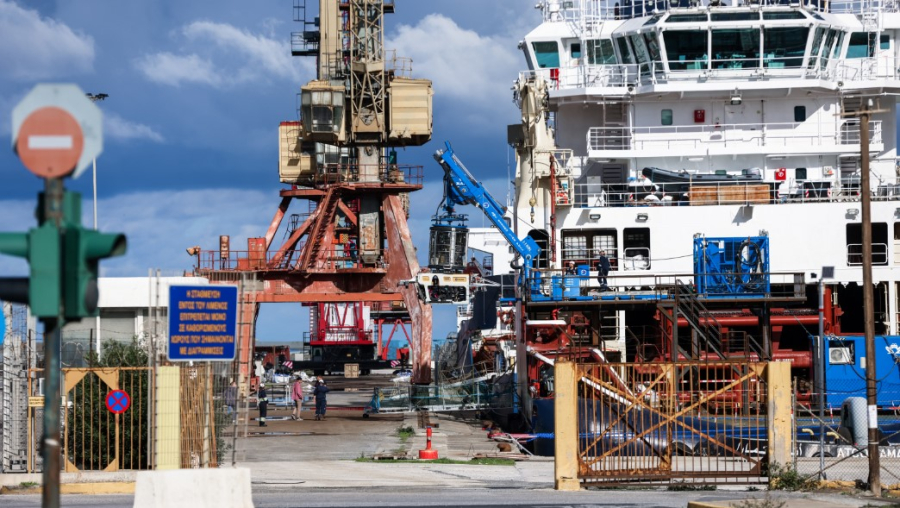
Greece rejected Turkey’s attempt to assert authority over seabed surveys for a strategic electricity connection between Greece and Cyprus, saying Tuesday that Ankara’s intervention had no bearing on operations already authorized by Athens.
Turkey issued a maritime navigation warning, known as a NAVTEX, claiming that surveys by the French vessel Abeille Marengo had been coordinated with Turkish authorities and received their consent.
Athens firmly disputed that assertion.
Greek Foreign Ministry officials said Greece and Cyprus were the only countries approached for authorization and that no permission had been requested from Turkey.
The ministry emphasized that the vessel was operating under a previously issued Greek NAVTEX, which had already made its planned route public.
According to Athens, Turkey’s subsequent notice merely reproduced publicly available information and had no practical significance for the mission.
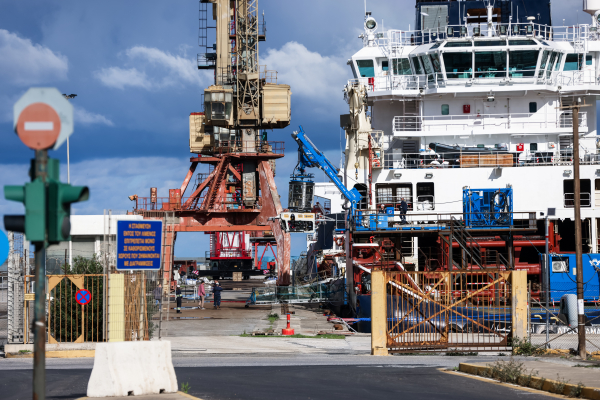
The Abeille Marengo departed Heraklion, Crete, on Tuesday to begin preparations for seabed surveys supporting the Great Sea Interconnector, a planned undersea electricity cable linking Greece and Cyprus.
The project’s operators said equipment calibration would precede the surveys, which are scheduled to continue through March 2027.
Greek Energy Minister Stavros Papastavrou told parliament that the vessel had departed with authorization from the Greek government and was operating in accordance with international law.
He described the interconnector as a project of national and European strategic importance, designed to end Cyprus’s electricity isolation and strengthen the European Union’s energy infrastructure.
A future extension to Israel also remains under consideration.