Greek households and businesses are facing a renewed surge in energy costs as gasoline prices climb above €2 a liter, electricity prices remain elevated and rising natural-gas costs threaten to add further pressure ahead of winter.
The increases are squeezing household budgets and raising operating expenses for businesses, particularly in transportation, manufacturing, agriculture and hospitality. According to Greek government data, the nationwide average price of regular gasoline has reached €2.111 a liter, equivalent to approximately $9.20 a U.S. gallon. Premium gasoline costs €2.391 a liter, while diesel averages €2.135.
At current prices, filling a 50-liter gasoline tank costs €105.55, while a household consuming 100 liters monthly would spend more than €211 on fuel alone. Heating costs are another concern. Heating oil averages €1.559 a liter, putting the cost of a 1,000-liter delivery at €1,559 as households prepare for colder weather.
ΔΙΑΒΑΣΤΕ ΕΠΙΣΗΣ


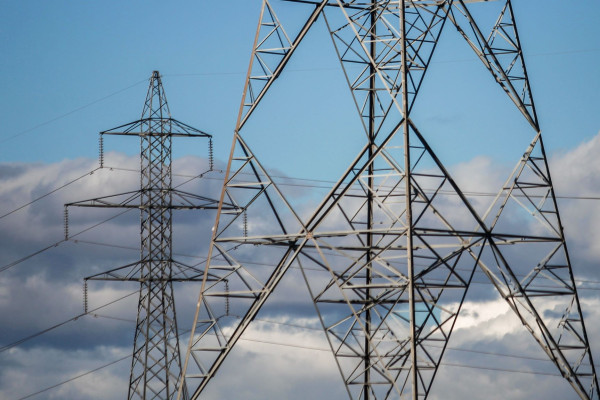
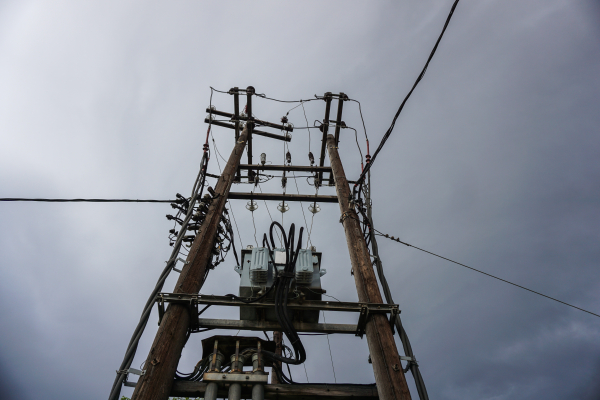
Electricity prices are also adding to the strain. Greece's wholesale electricity price for Nov. 6 is set at €283.15 per megawatt-hour, down from €293.37 the previous day. The average for the first six days of November stands at €283.04 per megawatt-hour, although daily prices have fluctuated sharply, reaching €312.72 on Nov. 2. Sustained wholesale prices at these levels could translate into higher bills for consumers on variable-rate electricity contracts.
International energy markets offer little immediate reassurance. Brent crude rose 3.22% to $97.67 a barrel, while U.S. benchmark West Texas Intermediate gained 2.16% to $90.02. European natural-gas prices reached €89.795 per megawatt-hour at the Dutch TTF trading hub, a closely watched benchmark for European gas markets. Investors are also assessing the implications of U.S. midterm election results for Washington's policy toward Iran and the prospects for easing tensions in the Middle East.
For Greece, higher fuel and electricity costs present a broader economic risk. Businesses facing rising energy bills may absorb the increases through narrower profit margins or pass some costs on to consumers, potentially adding pressure to food, transportation and service prices.