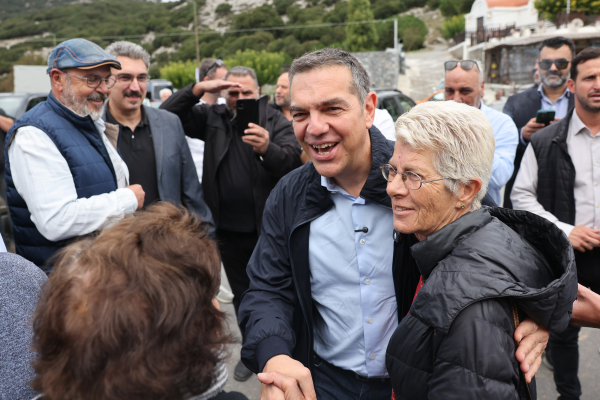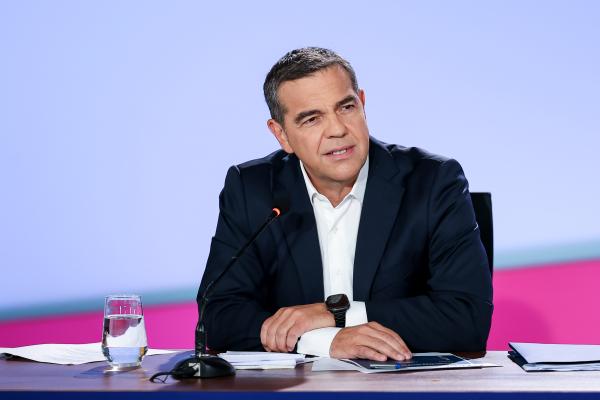
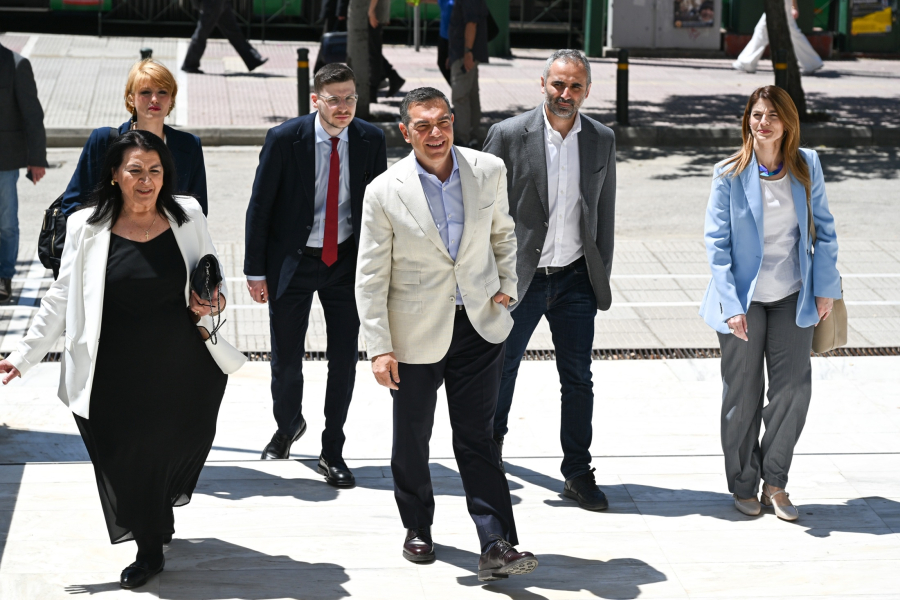
A new opinion poll suggests Greece's political landscape is undergoing its most significant realignment in years, with former Prime Minister Alexis Tsipras' newly launched political movement emerging as the country's second-largest political force just days after its official debut.
According to a survey conducted by polling firm ALCO, the governing centre-right New Democracy party remains comfortably ahead on 23.5 percent. However, the biggest development is the rapid rise of Tsipras' new party, ELAS, which debuts at 12.8 percent, overtaking the centre-left PASOK and positioning itself as the main challenger to Prime Minister Kyriakos Mitsotakis.
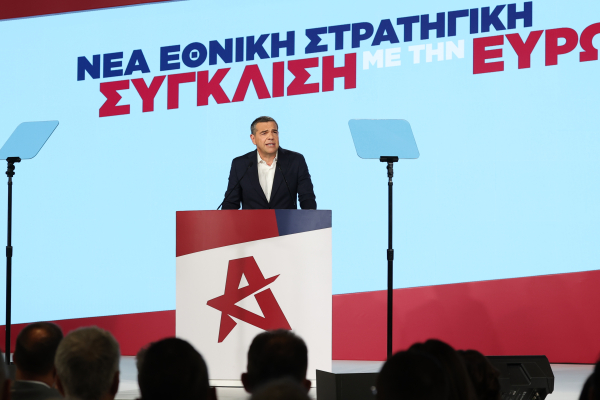
The poll was conducted immediately after Tsipras formally unveiled the new political formation at a launch event in Athens on Tuesday evening, offering one of the first snapshots of voter reaction to his attempted political comeback.
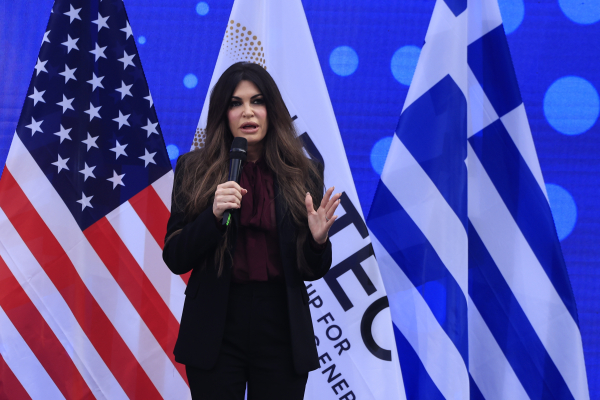
PASOK, long hoping to consolidate its position as the dominant force in the opposition, falls into third place with 10 percent. It now faces pressure not only from Tsipras but also from a new anti-establishment movement led by Maria Karystianou, whose party, Hope for Democracy, records 9.5 percent and sits within striking distance of overtaking Greece's traditional centre-left.
The findings suggest Tsipras is successfully consolidating much of the fragmented left-wing electorate. More than half of ELAS supporters previously backed SYRIZA, the party Tsipras once led, while significant numbers are also drawn from the electorate of Course of Freedom, another opposition party.
Perhaps more importantly, the survey indicates that Tsipras' appeal is currently driven more by personal credibility than policy. Nearly four in ten supporters cite his perceived honesty as the primary reason for backing the new movement, while one-third point to trust in his leadership. Only a small minority say they are motivated primarily by the party's political programme, reflecting the fact that its policy platform remains largely undefined.
Karystianou's support base appears markedly different. The mother of a victim of Greece's deadly Tempi rail disaster, who became a prominent public figure through her campaign for accountability following the tragedy, is attracting voters from across the political spectrum, including former supporters of both right-wing and protest parties.
For many of her supporters, demands for institutional reform, political accountability and justice for the victims of the Tempi disaster remain the central motivations behind their vote. The poll also suggests that her image as a political outsider unconnected to Greece's established political class remains one of her strongest assets.
The survey highlights the growing fragmentation of the opposition but also points to a broader challenge for Mitsotakis. While New Democracy retains a commanding lead, public dissatisfaction with the government remains widespread. More than half of respondents say they are not satisfied with the government's performance, while only a small minority report being highly satisfied.
At the same time, Tsipras has emerged as the politician most voters believe could pose a serious electoral challenge to Mitsotakis. When asked who would be the prime minister's toughest opponent in the next election, one-quarter of respondents named the former premier, second only to those who believe no opposition figure currently poses a credible threat.
Yet personal popularity rankings tell a more complicated story. Karystianou records the highest positive ratings among political figures, ahead of Mitsotakis and well ahead of Tsipras, suggesting that while the former prime minister may be rebuilding a political vehicle capable of competing nationally, the anti-establishment sentiment that propelled Karystianou into the spotlight remains a powerful force in Greek politics.
With nearly one in five voters still undecided, the poll offers only an early indication of how Greece's rapidly evolving political landscape may develop. What appears increasingly clear, however, is that the emergence of two new political movements has disrupted the country's traditional party system and reopened questions about who will ultimately lead the opposition against Mitsotakis in the next electoral contest.