Greece’s economy has expanded in recent years, but new data show the country remains heavily indebted to the rest of the world, leaving it vulnerable to energy shocks and global instability.
According to the annual report released by the Bank of Greece, the country’s international investment position—one of the most important indicators of an economy’s financial relationship with the rest of the world—remains deeply negative, highlighting structural weaknesses that persist more than a decade after the debt crisis.
At the end of 2025, Greece owed foreign investors and lenders far more than Greek investors owned abroad. The country’s net external liabilities rose by €13.9 billion to €339.7 billion. That figure represents the combined external position of the government, banks, businesses and households.
Measured against the size of the economy, Greece’s net international investment position stood at -136.8% of GDP in 2025, only slightly improved from -137.6% the previous year. The European Union considers levels below -35% of GDP a warning threshold, placing Greece far outside what is typically considered a sustainable external position.
Greece’s gross external debt—total borrowing from abroad—reached €590.4 billion in 2025, equivalent to 237.7% of GDP. Net external debt, after subtracting Greek assets held abroad, stood at €286.4 billion, or 115.3% of GDP.
The ratios improved slightly because Greece’s economy grew in nominal terms, not because debt levels fell. In absolute terms, the country’s external obligations increased.
Much of Greece’s external debt is owed to European rescue mechanisms that financed the country during the sovereign debt crisis. Those loans carry very low interest rates and extremely long maturities, limiting short-term financial pressure. Still, the overall external position remains one of the most negative in Europe.
At the same time, external liabilities in the private sector have been rising. Greek banks and companies have sold loans, assets and businesses to foreign investment funds, while foreign direct investment in Greece has increased. As a result, more profits, dividends and interest payments are flowing abroad each year, creating a steady outflow of income from the country.
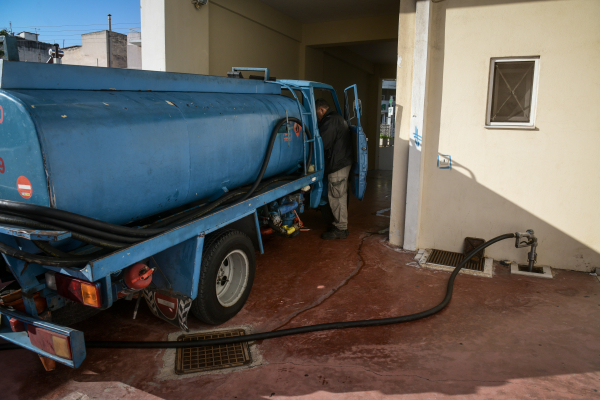
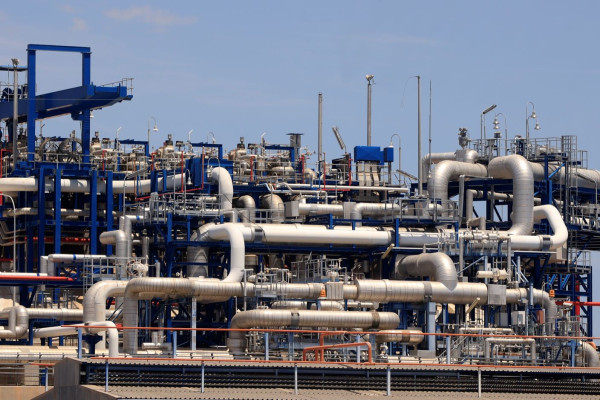
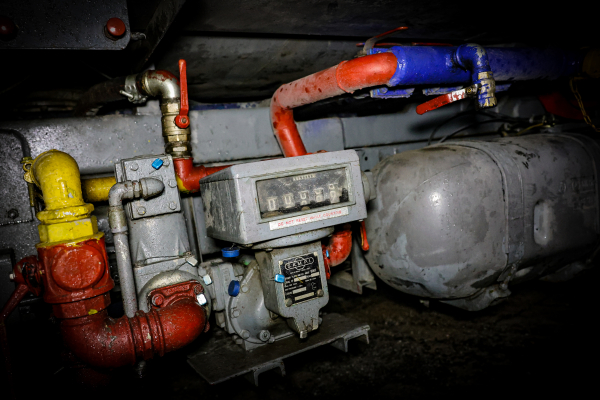
Energy imports are another major factor affecting Greece’s external balance. The country imports roughly 70% to 75% of the energy it consumes, mainly oil and natural gas. When energy prices rise, Greece must send more money abroad to pay for fuel imports, widening the current account deficit.
If annual energy import costs rise from about €10 billion to €15–18 billion due to higher oil and gas prices, an additional €5–8 billion leaves the country each year. That directly worsens the external balance and increases the country’s net liabilities to the rest of the world.
The underlying issue for Greece remains structural: the country imports more than it exports and sends large amounts of money abroad each year for energy, imported goods, interest payments and investor returns. As long as these outflows remain high, Greece’s external debt position will remain elevated, leaving the economy exposed to energy price shocks, financial tightening and geopolitical instability.