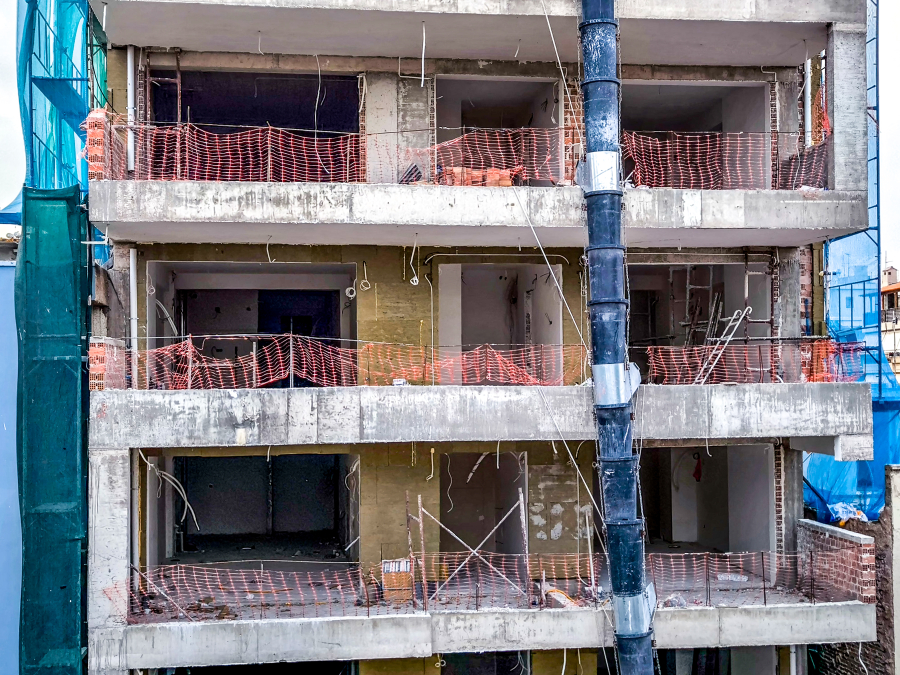
The strongest growth in building activity was concentrated not in tourism hotspots, but in industrial zones and major urban centers, reflecting a wave of investment in logistics, data centers and large-scale redevelopment projects.
New data released by Greece’s statistical authority show that municipalities surrounding Athens and Thessaloniki, along with key industrial corridors, accounted for much of the country’s new construction activity last year. The shift marks a notable departure from recent years, when islands such as Lefkada, Mykonos and Santorini routinely dominated rankings for new development.
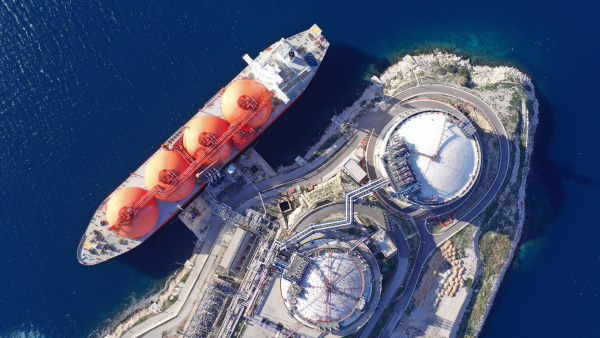
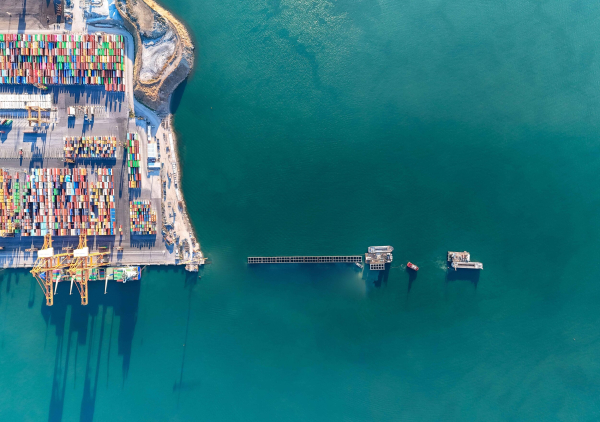
The biggest winner was Aspropyrgos, an industrial municipality west of Athens that has become a major logistics hub serving the Greek capital and the country’s largest port. With just 56 building permits, the area generated more than 161,000 square meters (1.73 million square feet) of new construction, enough to place it first nationwide. The scale of development points to the growing importance of warehouse facilities, data centers and industrial infrastructure in Greece’s investment landscape.
Piraeus, home to the country’s largest port, ranked second, underscoring the extent of redevelopment underway in the city as shipping, logistics and commercial activity continue to expand. The municipality of Delta, which includes the industrial area of Sindos outside Thessaloniki, and Tanagra, a manufacturing center north of Athens, also climbed into the national top five. None of the four municipalities had ranked among Greece’s ten most active construction markets a year earlier.
Athens itself rounded out the top five, reflecting continued demand for residential, office and mixed-use developments in the capital despite broader uncertainty in the European property market.
The figures suggest that while Greece’s construction sector remains active, the nature of investment is changing. The number of building permits issued nationwide fell sharply in 2025 to 16,375, down 47% from the previous year. Yet the total floor area covered by those permits declined by only 12%, indicating that fewer but significantly larger projects are moving forward.
Attica, the region encompassing Athens, maintained a commanding lead over the rest of the country. New permits in the region increased 17% from the previous year, while permitted building area rose nearly 6%. Central Macedonia, home to Thessaloniki, remained the second-largest market, followed by Crete, the South Aegean and the Ionian Islands.
The shift toward larger projects comes as Greece continues to attract foreign capital into sectors beyond tourism. International technology companies have announced data-center investments in recent years, while logistics developers have expanded operations to capitalize on the country’s strategic position at the crossroads of Europe, Asia and the Middle East.
The change is particularly striking because it comes after years in which tourism-driven construction dominated the market. Islands that have become synonymous with Greece’s real-estate boom generally saw activity cool in 2025. Lefkada, which ranked first nationwide in 2024, experienced a decline of more than 40% in newly permitted building area. Heraklion, Crete’s largest city and another leading construction market in recent years, recorded a decline of more than 30%.
Even in the Cyclades, one of the Mediterranean’s most sought-after island groups, building activity slowed across most destinations. Paros remained the region’s most active market, with more than 71,000 square meters of newly permitted construction, though that represented a decline of nearly 26% from the previous year. Santorini and Naxos followed, while Antiparos recorded a drop of almost 40%.
Yet the longer-term trend remains striking. Since 2018, widely regarded as the point when Greece emerged from its debt crisis and international real-estate investors began returning in force, Santorini alone has added nearly 600,000 square meters of new building stock. Paros has added more than half a million square meters, while Mykonos, Naxos and other Cycladic islands have also seen substantial expansion.