
The audit comes at a pivotal moment for EU environmental policy. Brussels has committed to placing at least 30 percent of European seas under protection by 2030 as part of its biodiversity strategy, but questions remain over whether existing protected areas are delivering meaningful conservation outcomes or simply expanding protection on paper.
The stakes are particularly high in the Mediterranean, one of the world’s most environmentally stressed marine regions. Home to rich biodiversity and vital economic activity, the basin faces growing pressures from pollution, overfishing, illegal fishing operations and the accelerating effects of climate change.
Europe’s seas cover roughly five million square kilometres—an area larger than the EU’s land territory—and support industries worth hundreds of billions of euros annually. Nearly 40 percent of EU citizens live within 50 kilometres of a coastline, making the health of marine ecosystems an increasingly important economic and political issue.
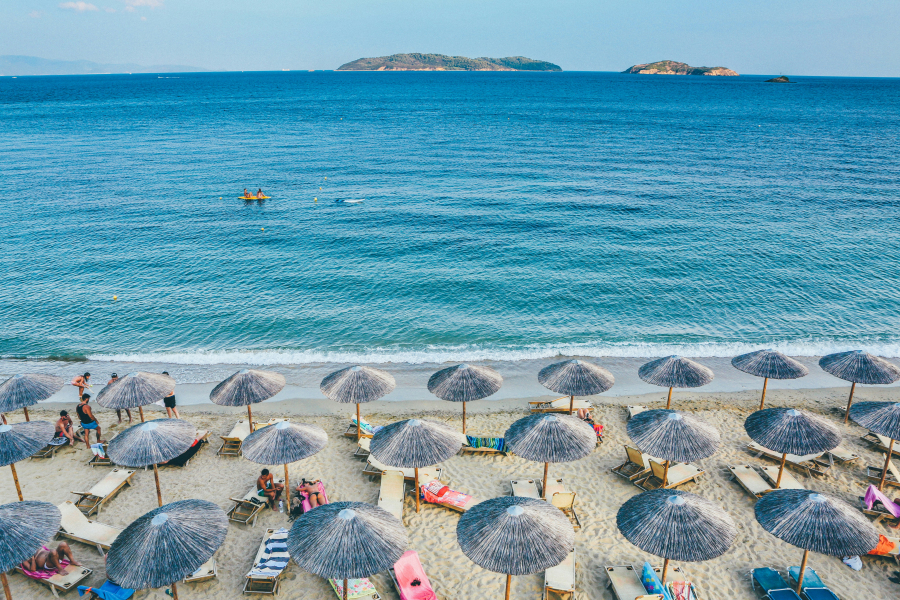
Among member states, Greece is likely to be closely watched as the audit progresses. With one of the longest coastlines in Europe, thousands of islands and a strong dependence on maritime industries, the country embodies both the opportunities and challenges of marine conservation.
The health of Greek waters has direct implications for tourism, fisheries, shipping and coastal communities. Tourism alone accounts for a substantial share of the country’s economy, with many destinations relying heavily on the quality of their marine environment. At the same time, the eastern Mediterranean is warming faster than many other parts of the world, exposing ecosystems to mounting environmental stress.
Despite growing political commitments, the EU remains some distance from achieving its marine protection objectives. According to the latest figures, Marine Protected Areas cover approximately 13.7 percent of EU waters, less than half of the bloc’s 2030 target.
The Court of Auditors’ investigation will assess whether EU institutions and national governments effectively designed and implemented marine protection policies between 2021 and 2025. Auditors will also examine whether local communities, fishing sectors and other stakeholders have been meaningfully involved in decision-making processes, a factor increasingly viewed as critical to the long-term success of conservation measures.
Another key question is whether protected areas can generate economic benefits alongside environmental gains. EU policymakers have increasingly promoted the idea that marine conservation can support sustainable growth through eco-tourism, scientific research and the development of new blue economy sectors. The audit will test whether these ambitions are translating into tangible results on the ground.
The findings are expected to feed into discussions surrounding the EU’s emerging ocean agenda and future maritime policies. As Brussels seeks to balance biodiversity goals with economic competitiveness and food security concerns, the effectiveness of Marine Protected Areas is likely to become an increasingly contentious issue.