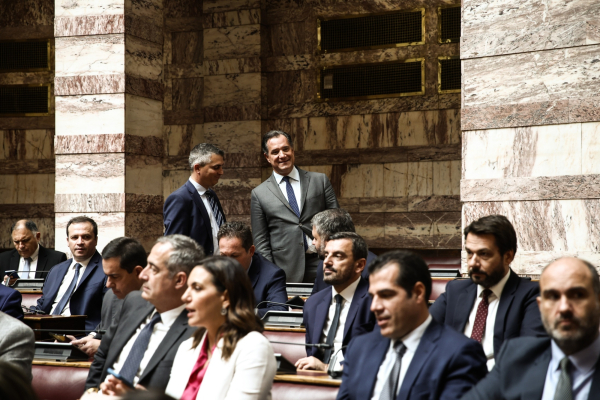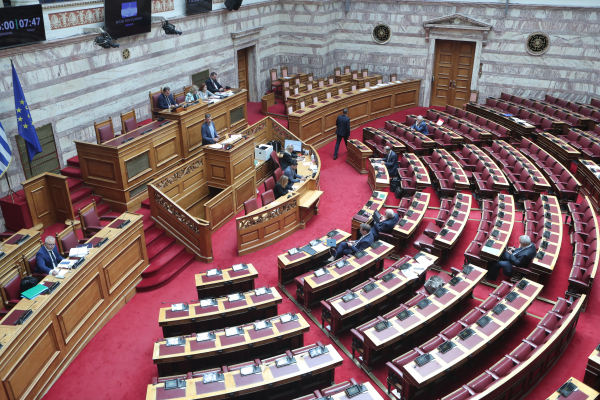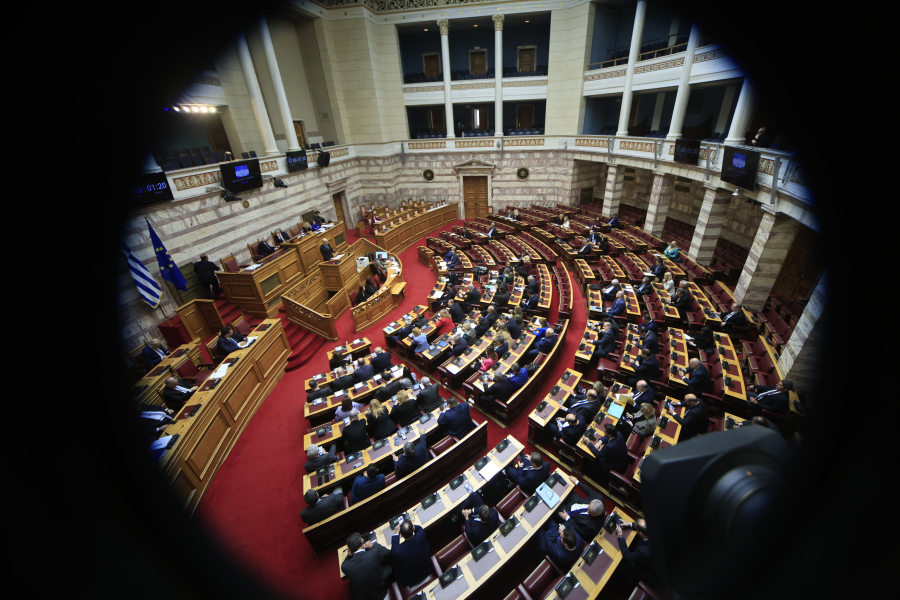
Greece’s political tensions escalated this week after a dispute between the conservative government and the main opposition over the postponement of a parliamentary debate on the rule of law and the country’s long-running wiretapping scandal.
The row erupted after the government decided to move a scheduled pre-agenda parliamentary debate to a date after the Easter holidays, prompting accusations from the opposition PASOK party that the delay was an attempt to avoid scrutiny over surveillance practices and institutional accountability.
PASOK officials accused the government of trying to evade parliamentary oversight, arguing that the debate should take place within the timeframe set by parliamentary procedure. The party said postponing the discussion undermined democratic institutions and accused the government of attempting to buy time amid ongoing political pressure related to the wiretapping affair, which has been a major issue in Greek politics in recent years.
Government officials rejected the accusations, insisting that the debate would still take place and that the delay was due to scheduling conflicts rather than political motives. Government representatives accused the opposition of deliberately escalating tensions for political reasons and of using inflammatory rhetoric to politicise a procedural matter.
The dispute quickly broadened into a wider political confrontation, with opposition parties arguing that the government was trying to avoid accountability over surveillance allegations, while the government accused its opponents of damaging political stability by exaggerating institutional disputes.
The Speaker of Parliament Nikitas Kaklamanis intervened in an attempt to defuse the situation, stating that parliamentary rules had not been violated and noting that similar delays had occurred in the past. He argued that rescheduling debates beyond the usual timeframe was not unprecedented and said party representatives had already been informed of the new proposed dates.