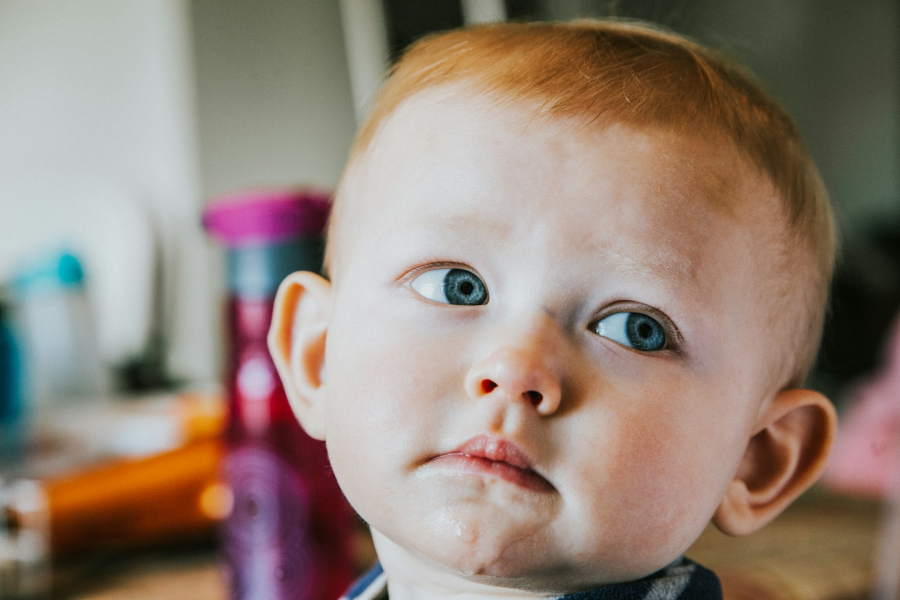

In Greece, nearly one child is diagnosed with cancer every day, meaning that approximately 300 to 350 children and adolescents develop cancer each year. Although childhood cancer cannot be prevented, early diagnosis and appropriate medical care lead to recovery in the majority of cases. Today, thanks to steady advances in diagnosis and treatment, about four out of five children — around 80% — achieve full recovery, while survival rates for certain types of cancer exceed 90%.
Children diagnosed with cancer in Greece receive a high standard of medical care, based on modern, evidence-based medical knowledge and a holistic approach that covers every stage of the disease, from diagnosis and treatment to rehabilitation and long-term follow-up.
Treatment options include specialized molecular genetic analyses, targeted therapies, immunotherapies, cellular therapies using modified CAR-T lymphocytes, and precision medicine applications, all of which are available within the country. The focus of care is not only on achieving a cure, but also on ensuring quality of life for children and adolescents during and after treatment, through long-term monitoring, palliative care services, and psychosocial support for patients and their families, as well as specialized care for adolescents and young adults.
Despite medical progress, the reality remains that cancer dramatically changes the life of a child and their family. Treatments are long and demanding and require frequent hospital visits. Children are often forced to step away from school, sports, and daily activities, while parents may have to leave their jobs to support their child, and siblings often spend long periods of time away from their parents’ attention. During this difficult period, families need support from friends, the wider community, and the school environment, so that children can gradually return to everyday life and school after treatment.