
The growing geopolitical tension and renewed uncertainty in energy markets come at a time when agricultural prices in the EU had recently been showing signs of easing.
According to the latest agricultural price indices released by Eurostat, the EU’s statistical office, the average price of agricultural output in the fourth quarter of 2025 fell by 1.9% compared with the same period in 2024. The decline followed price increases recorded during the first three quarters of the year.
Meanwhile, the cost of goods and services used in farming—such as energy, fertilizers and animal feed—remained broadly stable compared with the fourth quarter of 2024. Overall, farm input costs showed relative stability throughout 2025.
Across EU member states, agricultural output prices fell in 15 countries in the final quarter of 2025. The sharpest decline was recorded in Belgium, where prices dropped by 12.9%, followed by Lithuania with a fall of 8.2% and Germany with 6.0%. By contrast, prices increased in 12 EU countries, with the strongest rises seen in Ireland (+6.8%), Slovenia (+5.6%), and Malta (+4.2%).
Looking at farm inputs that are not linked to investment, prices declined in 11 EU countries. The biggest drops were recorded in Cyprus (-2.6%), Belgium (-2.1%), and Sweden (-2.0%). In contrast, increases were seen in Lithuania (+4.2%), Ireland (+3.3%), and Romania (+2.5%).
By product category, milk prices across the EU fell by 4.1% in the last quarter of 2025 compared with the same quarter a year earlier. Cereal prices declined even more sharply, dropping by 8.9%.
At the same time, some production inputs moved in the opposite direction. Prices for fertilizers and soil improvers rose by 7.9%, while animal feed and energy costs fell by 2.7% and 1.7% respectively.
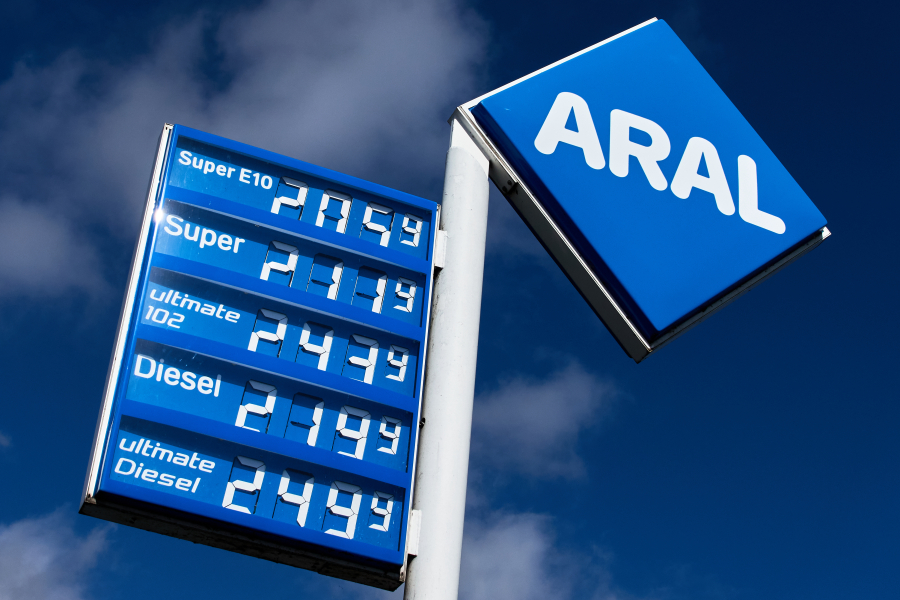
However, analysts warn that the latest geopolitical tensions and rising oil prices could reverse the recent downward trend in agricultural prices by increasing farmers’ production costs in the months ahead.