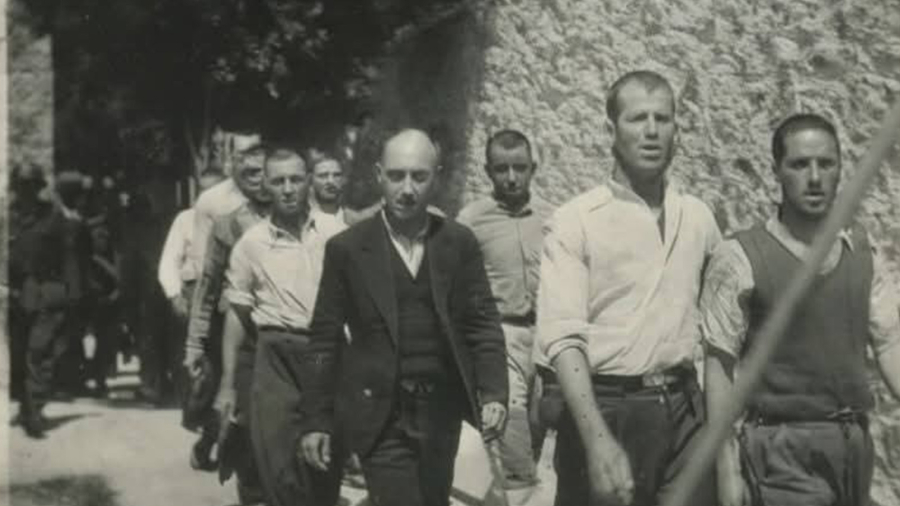
The Greek Ministry of Culture has designated a collection of photographs depicting the execution of 200 Greek prisoners by Nazi occupation forces in 1944 as a protected historical monument, calling the images exceptionally important evidence of modern Greek history.
The decision follows a recommendation by the Central Council of Modern Monuments, which cited the collection’s unique historical value as visual documentation used by the occupying German forces to shape perceptions through propaganda during World War II. By declaring the photographs a monument, the ministry gains the legal and institutional basis to pursue their acquisition on behalf of the Greek state.
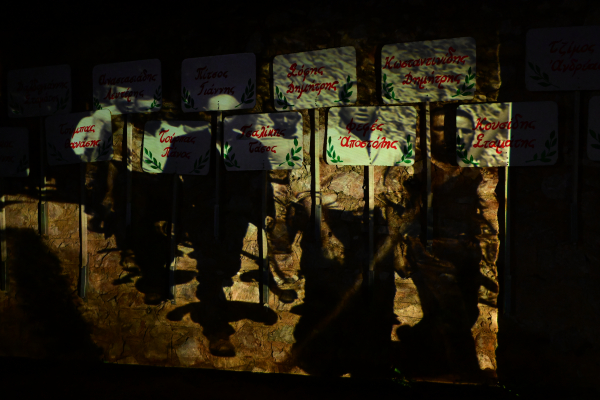
The photographs, some of which were recently made public, show Greek detainees shortly before their execution at the Kaisariani Shooting Range near Athens on May 1, 1944, one of the most symbolic acts of Nazi reprisals in Greece during the occupation. Culture Minister Lina Mendoni said the images give a human face to historical accounts of the prisoners’ dignity and patriotism in their final moments and described them as priceless historical records.
The collection surfaced earlier this month on the German version of the online auction platform eBay, offered for sale by Belgian collector Tim de Craene, who specializes in World War II memorabilia. After the images began circulating on Greek social media and drew widespread attention, the twelve photographs depicting the Kaisariani executions were withdrawn from the auction. The broader collection, however, remains for sale.
According to the Ministry of Culture, the photographs were originally taken by Hermann Heuer, a Wehrmacht lieutenant who served in occupied Europe and was stationed in Greece in 1943–1944. Heuer is believed to have been ordered to observe or assist in the execution of the 200 prisoners, who were transferred from the Haidari detention camp to Kaisariani as part of Nazi reprisals.
Greek officials argue that the wider collection is also significant because it documents the occupation from the perspective of the perpetrators. Mendoni noted that the Nazi propaganda apparatus under Joseph Goebbels made systematic use of photography and cinema to construct staged images of control and success, turning visual material into a tool of influence.
The Ministry’s Directorate of Modern Cultural Heritage has already contacted the collector, and a team of experts is traveling to Belgium to examine the photographs firsthand and discuss their status. With the collection now officially designated as a monument, the Greek government says it is positioned to formally claim and seek ownership of the material as part of the country’s cultural heritage.