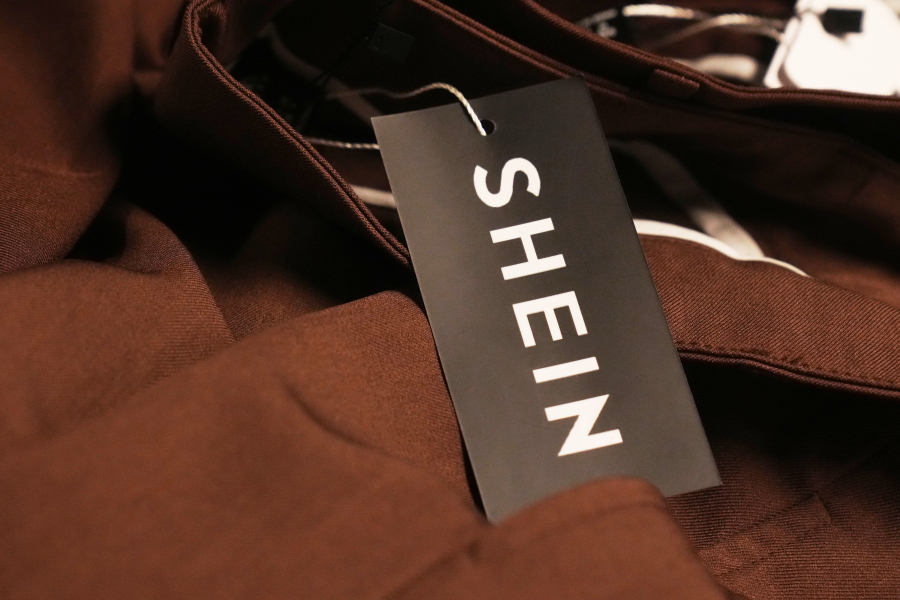

The European Commission is moving to curb the surge in low-value parcels—mainly originating from China—that have flooded European markets in recent years. Under a decision set to take effect on July 1, 2026, a €3 customs duty will be imposed on goods contained in small consignments valued at under €150 when they are shipped directly to consumers within the European Union.
The charge will be borne by consumers placing such orders. While some analysts argue that the €3 fee is relatively modest and that major Chinese e-commerce platforms may absorb part of the cost or further reduce prices to limit the impact, the structure of the measure introduces a significant cost factor.
The duty will not be applied per parcel, but per distinct product category included in each shipment, as defined by tariff subheadings. This means that orders containing multiple and diverse products may incur the charge several times, substantially increasing the final cost for consumers.
For example, a single package shipped from China may include one silk shirt and two wool shirts. Despite being delivered in the same parcel, the different tariff classifications place the items in separate categories. As a result, the recipient would be charged €3 for the silk garment and an additional €3 for the wool items, bringing the total duty to €6. Similarly, a parcel containing a mobile phone, its charger and a protective case could face a total charge of €9.
The expected decline in low-value shipments from China is likely to be felt most strongly in the initial phase of implementation, particularly by courier and logistics companies whose business models are closely linked to cross-border e-commerce. Chinese goods currently account for a substantial share of small-parcel imports into the EU, with tens of thousands of such shipments entering individual member states on a daily basis.
However, part of this decline is expected to be offset by increased orders placed with domestic retailers. This shift could provide a boost to local commerce across the bloc, which has repeatedly raised concerns about the growing dominance of ultra-low-cost imports from outside the European Union.