
Designed to help replace Russian natural gas supplies after their expected shutdown by the end of 2027, the project is increasingly colliding with regulatory constraints that many stakeholders argue are out of step with today’s geopolitical realities. Intended to transport gas from Greece to Central and Eastern Europe, the Corridor risks being governed by rules devised for mature, fully liberalised markets, rather than for a strategic infrastructure responding to an energy-security emergency.
Ongoing talks with the European Commission highlight this tension. A recent meeting in Vienna involving regulators and gas transmission operators from Greece, Bulgaria and Romania illustrated the broader debate: whether EU policy can adapt to a transformed energy landscape or whether the Vertical Corridor will continue to be treated as a conventional commercial route.
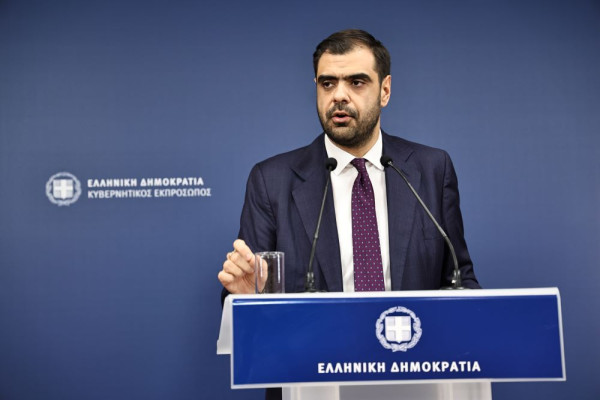
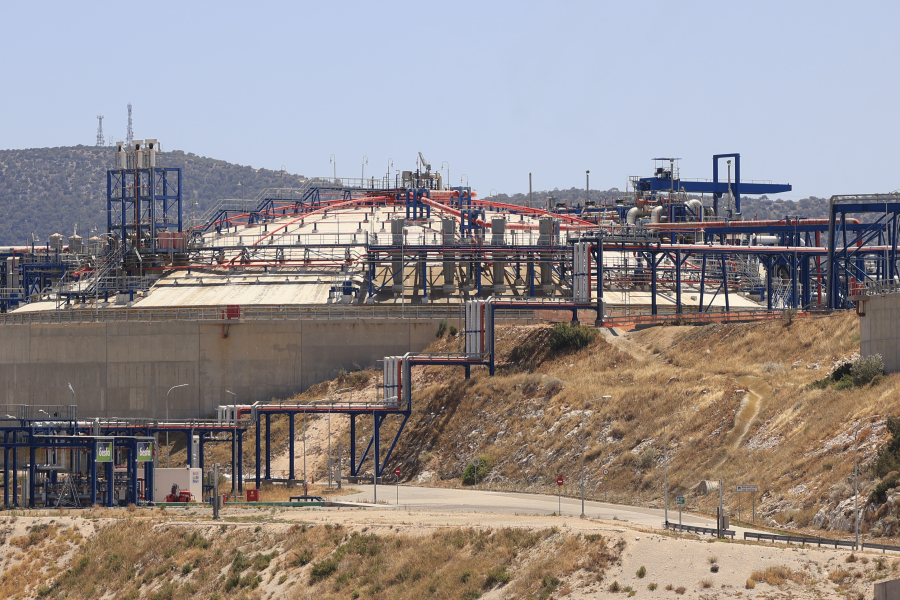
Greek Energy Minister Stavros Papastavrou has described the project as a complex, unprecedented undertaking with major strategic value for regional stability. Greece, he argues, plays a central role as both an EU member state and a transatlantic energy bridge, leveraging its LNG terminals and pipeline network to channel new gas flows into Europe. The EU’s recently formalised goal of eliminating dependence on Russian gas aligns closely with US policy, and Greek infrastructure is increasingly seen as a gateway for alternative supplies, particularly LNG.
Despite its strategic importance, commercial uptake remains fragile. Interest in recent capacity auctions was limited, reflecting subdued demand and competition from cheaper routes via Poland and Hungary, even as transport costs along the Greek–Ukraine route have fallen sharply. While the Commission has granted temporary exemptions to allow short-term capacity auctions for Ukraine’s needs, the bigger question is whether the EU will approve long-term, competitive products that would allow the Corridor to operate at scale. Industry sources warn that without sustained European support, the project cannot yet compete while Russian gas remains in the market, though after 2027 it could become a major LNG artery.
The United States has emerged as a strong backer of the Corridor. Washington views it as a strategic channel for US LNG into Eastern Europe and Ukraine and has voiced concern that EU regulatory complexity could undermine its viability. US officials have repeatedly stressed the need for commercial realism and policy flexibility, while announcing further high-level discussions in Washington later this winter. Ultimately, many observers argue that the success of the Vertical Gas Corridor will depend on whether Europe is willing to align its regulatory framework with its strategic energy objectives.