
After giving lengthy statements, the company’s owner, the head of safety and the shift supervisor were allowed to leave custody because key expert reports have not yet been incorporated into the case file. Authorities said forensic and technical assessments from all involved parties are still pending, preventing prosecutors from reaching final conclusions at this stage.
For this reason, the public prosecutor decided not to impose any restrictive measures. Once the investigation file is fully completed and resubmitted, judicial authorities will determine the next steps in the criminal proceedings.
Prosecutors have stressed that an upgrade of the charges remains possible, depending on the findings of the expert reports and the conclusions drawn about the causes of the blast. Any further legal action will be based on a full evaluation of the technical and factual evidence.
Judicial and investigative authorities are now examining whether the case could involve “conditional intent,” a serious legal concept under Greek criminal law that applies when those responsible are deemed to have knowingly accepted a potentially deadly risk. The preliminary investigation is continuing, with particular focus on the factory’s propane system and the safety measures that, according to initial indications, may not have been adequately observed.
Testimonies from employees and relatives of the victims are considered especially significant. Several witnesses have reported repeatedly noticing a strong smell of gas inside the factory, even weeks before the explosion. Investigators are assessing whether these accounts demonstrate prior knowledge of the danger by company management and whether production was allowed to continue despite clear warning signs.
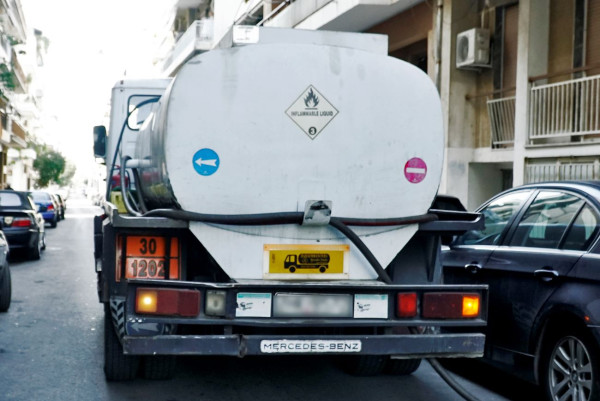
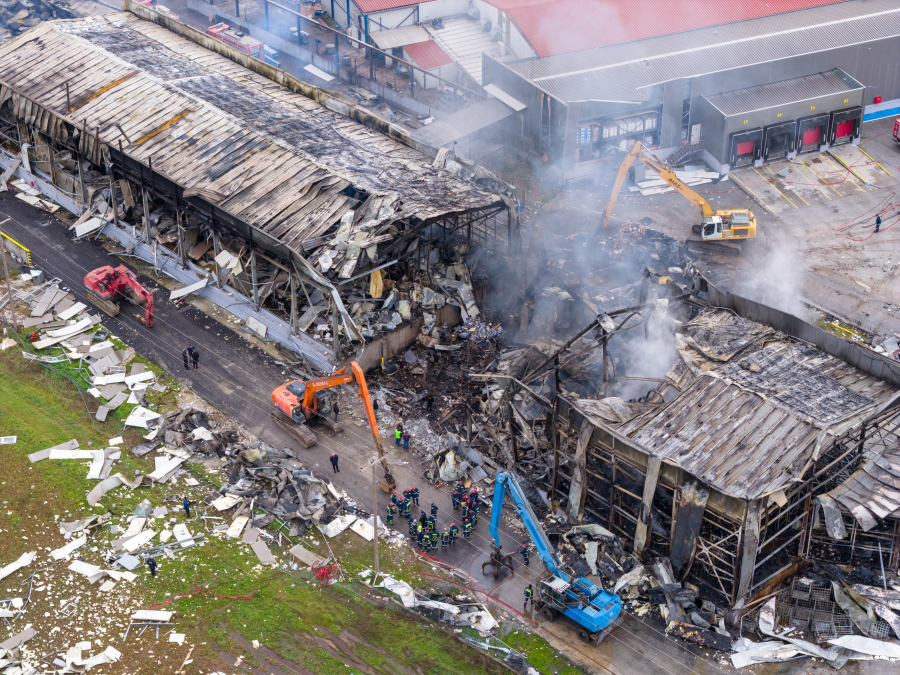
According to the Greek Fire Service’s findings, the factory was supplied by two above-ground propane tanks with capacities of 5,000 and 9,000 liters, located roughly 30 meters from the site of the explosion. Inspections found ice formation on the piping of the smaller tank, indicating recent use, while nitrogen testing revealed extensive propane leakage into the ground at a depth of around 60 centimeters.
Detection equipment recorded extremely high gas concentrations, and investigators believe the leak had been ongoing for months. The propane is thought to have traveled underground for approximately 25 meters before accumulating in a confined basement area of the factory. There, a spark from electromechanical equipment is believed to have ignited the gas, triggering the explosion that claimed the lives of five workers.
The coming days are expected to be critical for the case, as authorities determine whether the tragedy resulted from negligence or whether more serious criminal responsibility can be established.