
The ongoing public consultation launched by Greece’s Waste, Energy and Water Regulatory Authority (RAAEY) on a proposal by the Hellenic Electricity Distribution Network Operator (HEDNO) has become a crucial test of the operator’s technological direction. The consultation concerns amendments to the network management code and the metering manual in preparation for the introduction of dynamic electricity pricing—a major shift for the Greek energy market.
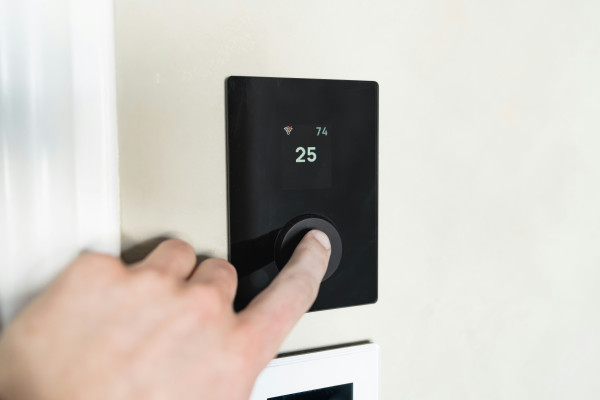
Yet the rapid global evolution of smart-grid technologies is already overshadowing the new “smart” meters that HEDNO is currently rolling out nationwide. In a sector defined by disruptive innovation, these devices risk becoming outdated even before installation across the country is complete. The project, involving 7.7 million meters, represents the largest technological upgrade in the history of Greece’s distribution network. Nevertheless, international markets are moving decisively toward the AMI 2.0 standard, a new generation of meters with capabilities far beyond those of the devices now being deployed.
Across Europe, network operators are abandoning the idea of the meter as a passive measuring tool. Instead, next-generation devices are becoming intelligent nodes with integrated computing power, enabling real-time data processing at the edge of the grid, active management of distributed renewable production, and participation in flexibility markets. The rapid expansion of rooftop solar, battery storage and electric-vehicle charging infrastructure is transforming the demands placed on distribution networks and requires solutions more advanced than the AMI–MDM model currently used in Greece.
In many countries, the latest generation of smart meters already supports self-diagnostics, real-time analytics, voltage and load management, and interoperability with artificial intelligence systems and digital twins. The emphasis is shifting from simple data collection to the strategic use of information for system operation and market transactions.
By contrast, the meters now being installed in Greece rely on a more traditional architecture focused mainly on data gathering, offering limited interaction with the grid itself. This raises the possibility that HEDNO’s flagship investment could become technologically obsolete within a few years, just as other European operators move on to second-generation smart-meter programmes.
The debate over whether Greece should accelerate its adoption of more advanced grid-management platforms and next-generation meters is now fully underway. As the public consultation shows, the issue has evolved from a technical discussion into a pressing question of long-term strategy for the future of the country’s electricity distribution system.