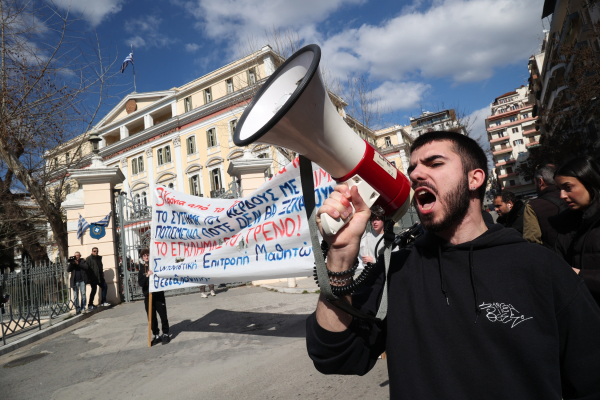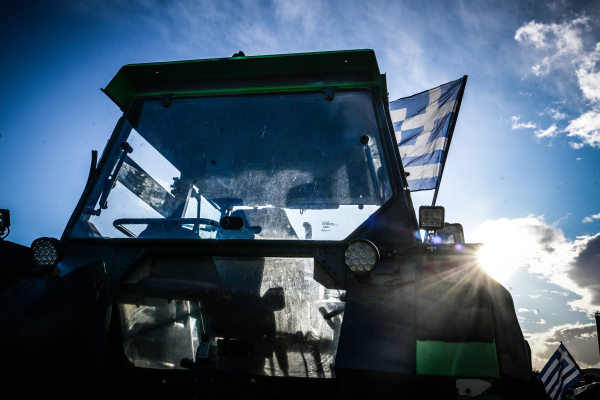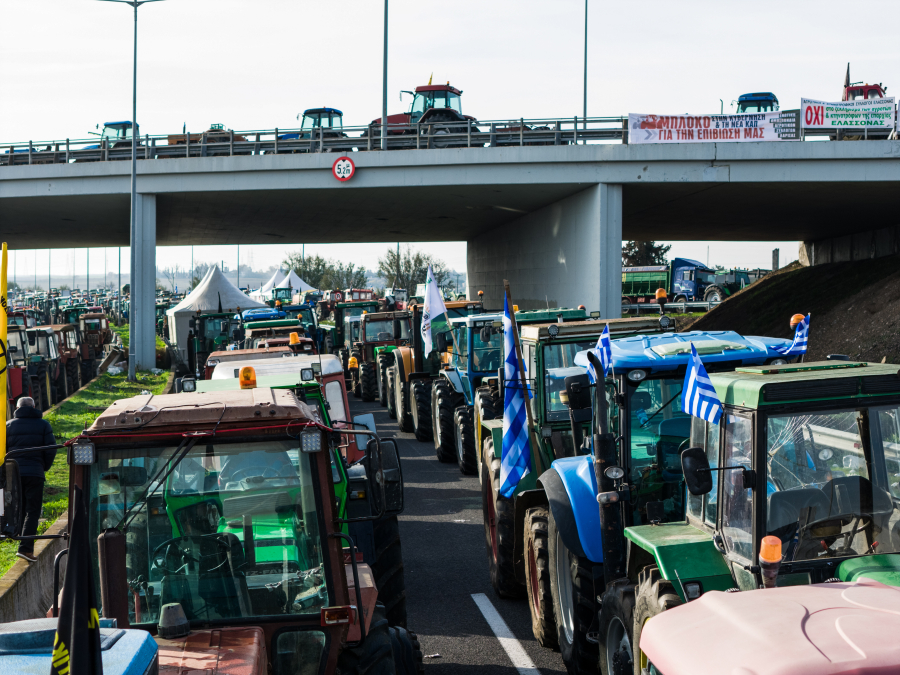
Farmers across Greece are refusing to retreat as nationwide protests intensify, sending a pointed message to Prime Minister Kyriakos Mitsotakis: they will remain at the roadblocks for as long as it takes to secure solutions to the problems plaguing their sector. In a symbolic gesture, representatives speaking to Dnews even invited the prime minister to visit a blockade on New Year’s Day and share the traditional cutting of the New Year’s cake, the Vasilopita, alongside them.
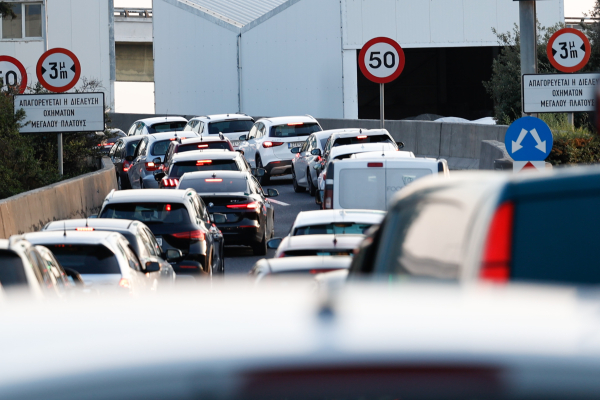
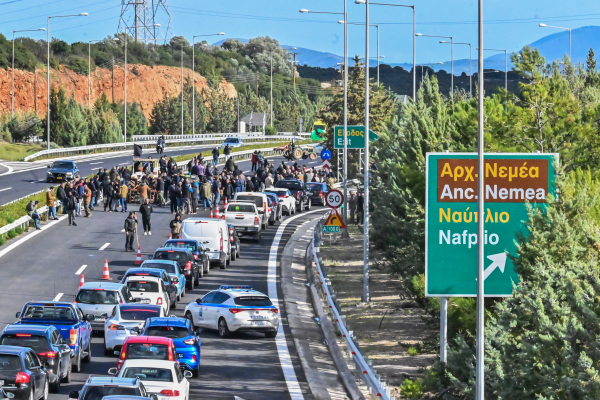
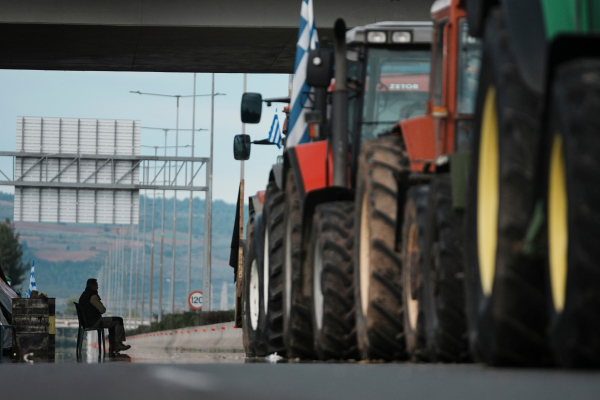
The blockade at Nikaia, one of the largest in the country, expanded substantially on Tuesday with the arrival of another 300 tractors and 150 pieces of agricultural machinery. In total, more than 1,500 vehicles have shut down a major section of the Athens–Thessaloniki national highway, and further reinforcements are expected. Farmers camped there insist they are prepared either to escalate or scale back their actions depending on how the government responds. Should the standoff intensify, their next steps could include shutting down the port of Volos and key railway lines.
“We’re staying at the blockades. Depending on the government’s attitude and the answers it provides to our demands, we’ll either escalate or de-escalate the situation here in Nikaia,” said Sokratis Aleiftiras, vice president of the Unified Federation of Agricultural Associations of Larissa, speaking to Dnews. He added that if the government shows no intention of tackling their concerns, farmers are ready to spend both Christmas and New Year’s at the barricades: “We invite Prime Minister Mitsotakis to join us on New Year’s Day to cut the Vasilopita.”
Support for the farmers has also come from unlikely places. The Larissa Pharmaceutical Association publicly aligned itself with the protest movement, emphasizing the economic and cultural importance of agriculture in the region of Thessaly. “This is our life,” said association president Thanos Koutsoukis. “This region is built on agriculture. Thessaly depends on this sector.”
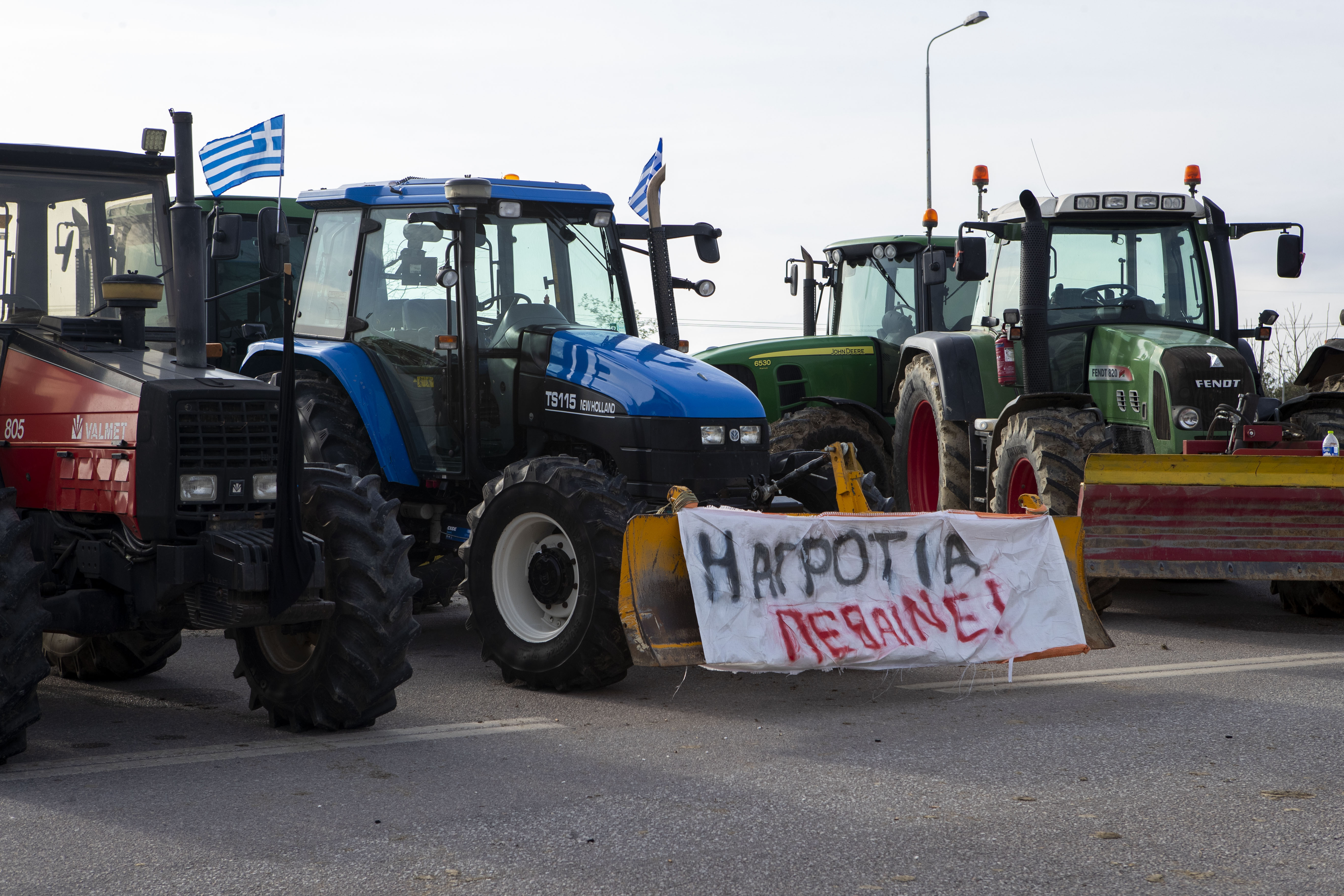
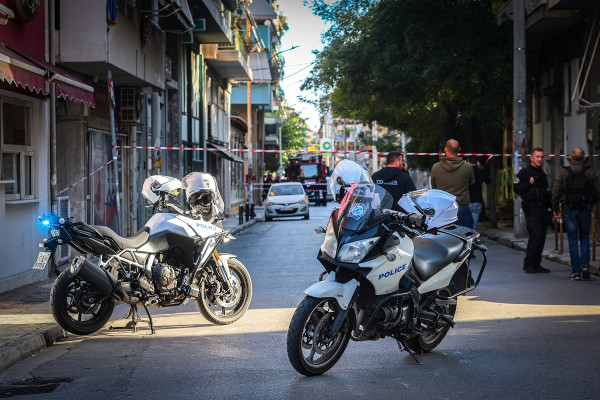
The standoff has drawn a warning from Greece’s Minister of Citizen Protection, Michalis Chrysochoidis, who cautioned that the government cannot allow ports, customs stations, or other vital infrastructure to be blocked. He stressed that such disruptions pose risks to national security, the economy, and public order, and hinted at possible intervention if closures continue. Rumors circulating at the blockades suggest that police forces are already preparing for such a scenario. Farmers, however, insist they will not move.
In Karditsa, one of the most dramatic scenes has unfolded on the E65 motorway, where more than 2,000 tractors have formed a nearly two-kilometre line, completely obstructing the road. Farmers there say they are just as determined to remain through the holidays. Local agricultural leaders met on Tuesday evening to coordinate their next steps.
Further north, roadblocks continued at key transportation points. At the Malgara tolls near Thessaloniki, farmers on Tuesday briefly shut down the lanes leading into the city, while the Athens-bound direction has been closed since Monday. Protest leaders are expected to decide on Wednesday whether to intensify their actions.
By Tuesday night, farmers had also blocked two major border crossings: Evzoni, on the frontier with North Macedonia, and Kipoi, along the Greek-Turkish border. The Evzoni crossing is expected to remain closed until midnight, while the blockade at Kipoi further underscores the growing determination of the protest movement.