
However, the regulator’s meeting was overshadowed by a significant error made by Euronext and its advisor, Deutsche Bank AG.
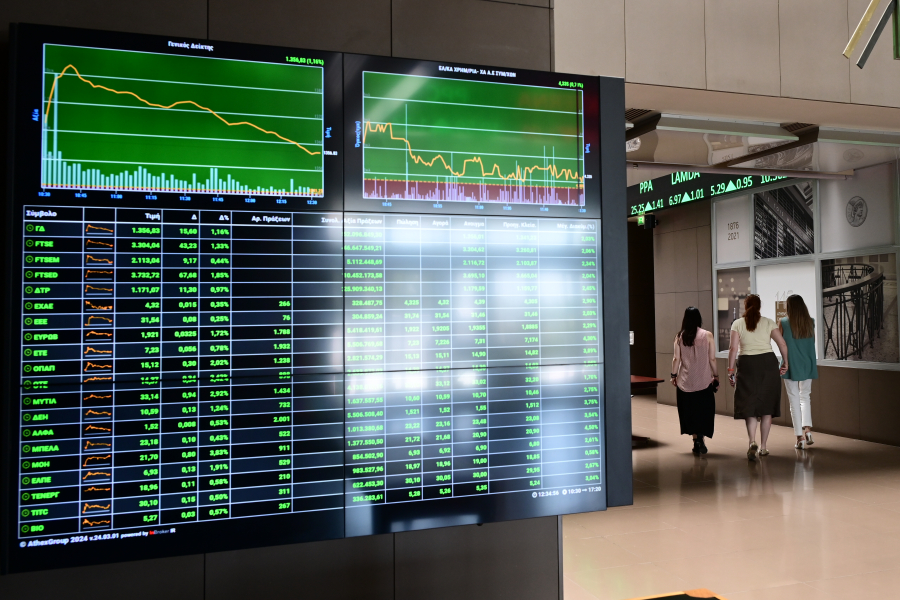
The mistake surfaced quietly but awkwardly. At 2:35 p.m.—while ATHEX shares were still trading—the Stock Exchange published a corrected version of Euronext’s announcement from Friday, November 7, concerning its application to amend the offer. The revision was necessary because the original statement contained a major miscalculation of the number of shares required for the revised bid to succeed.
Euronext initially claimed that at least 30,174,001 ATHEX shares—representing 50 percent plus one share of the company’s total voting rights—would need to be tendered for the offer to be completed. On Monday, the company acknowledged that this figure was wrong and issued a corrected announcement reducing the minimum threshold by 1,249,000 shares, to 28,925,001. The corrected calculation reflects only the voting rights that are active, excluding own shares held by ATHEX itself, which cannot be voted.
The error prompted questions within the Capital Market Commission about whether sanctions should be imposed, particularly because both the original and revised announcements were accompanied by Deutsche Bank’s formal assurance that the offer was “reliable.” Several members reportedly asked whether the bank may bear responsibility under Greek takeover law 3461/2006, which requires the advising institution to certify the accuracy of the offer documentation.
Some also raised concerns about whether the initial announcement could be deemed misleading, given that it presented a fundamentally incorrect acceptance condition. Under both European and Greek regulatory frameworks, even unintentional misinformation is treated with strict scrutiny. Greek law 3461/2006 further specifies that civil liability may arise if such an announcement is misleading, inaccurate, or inconsistent with the official information memorandum.