

According to the government’s monthly fiscal bulletin, arrears eased to €3.768 billion from €3.883 billion in August. The improvement is modest, and the overall figure still stands roughly €600 million higher than at the end of 2024—an indication that the problem remains deeply entrenched.
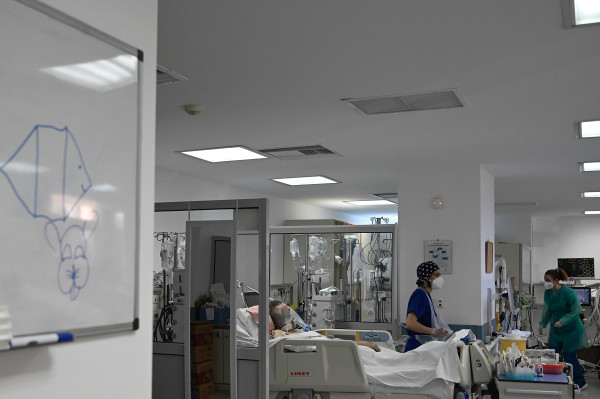
Within the general government, unpaid obligations amounted to €2.942 billion, while outstanding tax refunds totaled €826 million. Hospitals remain the largest source of overdue payments, with their debts rising to €1.664 billion in September from €1.627 billion the previous month. The scale of these arrears is striking when compared with the €606 million recorded at the end of 2021, underscoring that the creation of Greece’s National Central Health Procurement Authority has yet to produce the expected efficiencies.
Social Security Funds follow with €612 million in overdue payments, down from €651 million in August. This category includes €249 million owed by the National Organisation for Healthcare Services Provision (EOPYY). Authorities note that these figures reflect gross amounts, as suppliers’ rebate and clawback obligations have not yet been netted out.
Local governments account for €240 million in arrears, slightly lower than in August, while other public legal entities owe €222 million. Obligations under the ordinary state budget remain unchanged at €36 million. Meanwhile, arrears linked to the Public Investment Programme increased to €169 million.
Tax refunds awaiting payment declined to €826 million from €928 million the month before. Of this, €400 million relates to indirect taxes and €321 million to direct taxes. Just €303 million of the total is considered overdue by more than 90 days. The Finance Ministry notes that €178 million of these delayed refunds cannot yet be paid due to external obstacles, meaning that truly overdue refunds amount to €125 million. The remaining €523 million are still within normal processing times.