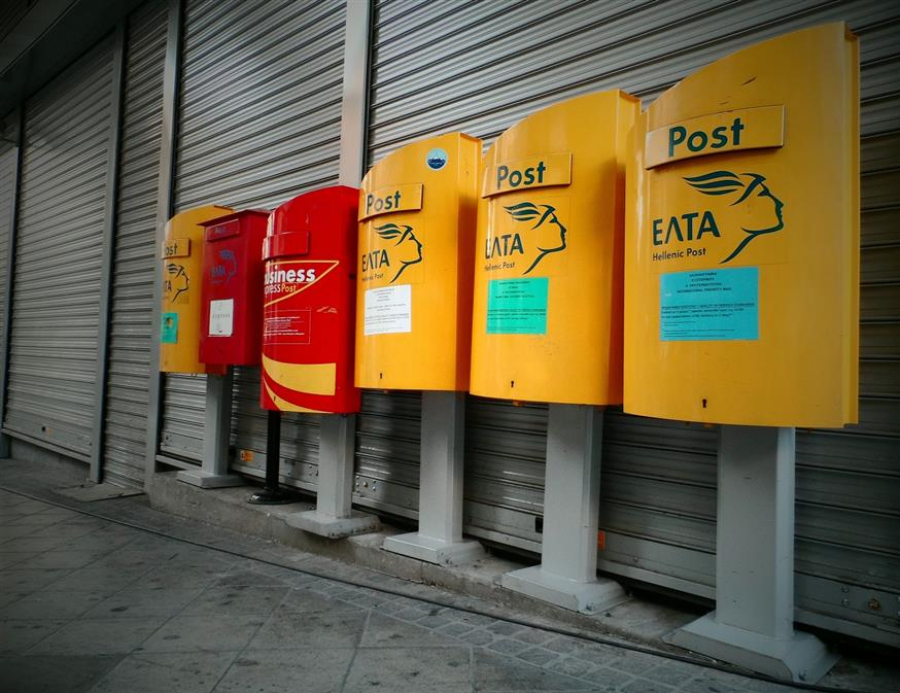

Greece is facing a fresh wave of public outrage after the sudden closure of 204 Hellenic Post (ELTA) branches, a move that has left thousands in towns, villages and islands without basic services. Nearly one-fifth of all post offices shut down in a single day — an 18.5% cut across the network — with the impact falling heaviest on rural areas, older residents, low-income households and people lacking digital literacy.
Even parts of metropolitan Athens have been affected, with districts such as Alimos, Dafni, Metamorfosi, Kaisariani, Nikaia and Marathon suddenly losing their local branches. In remote mainland regions and on islands — from Grevena in the north to Lesvos in the Aegean — residents may now have to travel up to 50 kilometers to reach the nearest post office. Local communities describe the move as abandonment. Mayors warn that stripping public services from the countryside will accelerate migration to major cities. For many older residents, the closures threaten their access to essential services such as pension and benefit payments. “We don’t have internet or cars to go elsewhere,” several have complained, underscoring the everyday challenges posed by digital dependence.
ELTA maintains that the restructuring is necessary to keep the organization afloat, promising a revamped service model centered on more postal carriers, mobile units, partnerships with local shops and an expansion of digital services and home appointments. Critics, however, see echoes of the promises made by Greek banks in recent years — assurances that often failed to materialize in remote and vulnerable communities. The situation recalls the sweeping transformation of Greece’s banking sector over the past decade. In 2015, there were more than 2,400 bank branches across the country, employing over 44,000 people.
By the end of 2024, that footprint had shrunk to roughly 1,350 branches and just over 27,000 employees — a reduction of nearly 44% in physical locations and the loss of some 17,000 jobs. Major banks more than halved their branch networks, and while the number of ATMs increased overall, in-branch machines dramatically declined, with many transferred to third-party operators and associated service fees rising.
The lesson from the banking sector was clear: fewer physical service points and a rapid shift toward digital platforms come at a high social cost for citizens unable to adapt. In many rural regions, where bank branches disappeared, elderly residents were forced to travel long distances for simple transactions, often queuing for hours at the few remaining locations. Analysts and local leaders fear that history will repeat itself with the postal network. The closures are expected to lead to long lines at the few branches still operating, delays in pension and welfare payments, difficulties mailing official documents and packages, and rising dependence on private courier services, which are typically more expensive.
These concerns are amplified by recent national statistics. According to Greece’s 2024 survey on digital readiness, a large share of older citizens lack the skills needed to handle basic online services. Many avoid digital platforms altogether because they cannot navigate them, and more than eight in ten who do attempt online transactions require outside help. The data reveal a stark digital divide that risks deepening social inequality as traditional service networks disappear.