
New figures released by the Ministry of Finance show that indirect taxes accounted for over 56% of total tax revenues during this period—a clear indicator of how central consumer spending remains to the country’s fiscal strategy.
From January to April, Greece collected €22.009 billion in tax revenue, an increase of €1.765 billion or 8.7% compared to the same period in 2024. Of this amount, indirect taxes—such as VAT (Value Added Tax) and excise duties—made up 56.3%, while direct taxes, including income and corporate tax, contributed just 43.7%. This imbalance underscores Greece’s continued dependence on taxing consumption rather than income or wealth, a trend that has long characterized its tax system.
VAT remains the single largest source of tax income, bringing in €8.878 billion, up by €708 million year-on-year. The increase was largely driven by stronger receipts from general goods and services, which rose by €739 million. However, revenue from VAT on petroleum products declined slightly to €659 million from €666 million in the same period last year, suggesting either a stabilization in energy demand or changes in consumer behavior.
Excise duties, another major component of indirect taxation, also rose to €2.189 billion from €2.115 billion in 2024. Fuel-related excise taxes were particularly significant, generating €1.333 billion—an increase of €87 million. By contrast, excise revenues from tobacco and other products fell by €13 million, possibly reflecting evolving consumption trends or changes in tax policy.
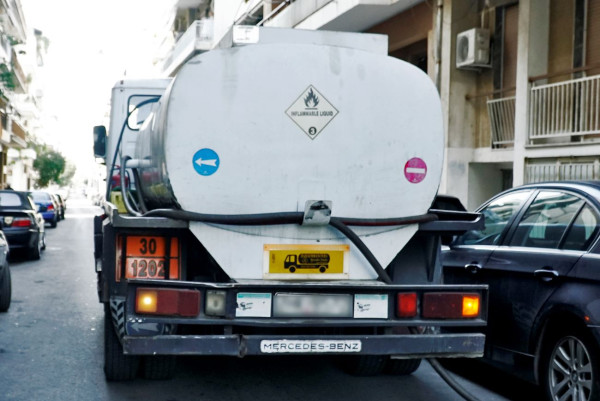
In total, taxes on energy—combining VAT and excise duties—generated €1.992 billion, representing approximately 9.05% of Greece’s overall tax revenue during the four-month period. This figure highlights the crucial role energy taxation plays in maintaining fiscal stability, especially in a system where consumption remains the primary engine of public revenue.