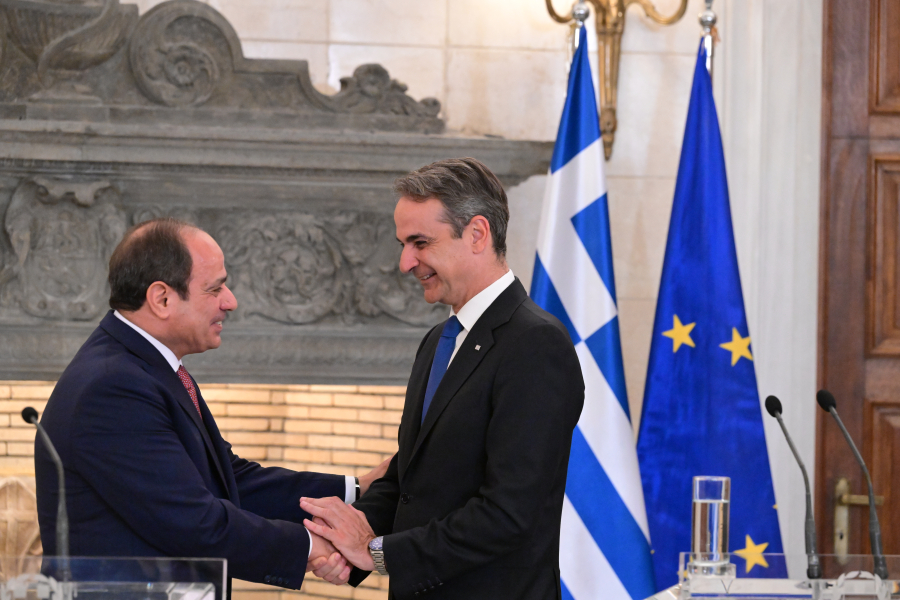

Held at the Maximos Mansion, the summit marked a significant milestone in the deepening ties between the two Eastern Mediterranean nations, as both leaders emphasized the need for stronger regional cooperation in the face of growing geopolitical uncertainty.
In a joint declaration signed during the meeting, the two countries institutionalized regular diplomatic contact and committed to coordinated action across a range of sectors, including energy, migration, trade, maritime affairs, and cultural exchange. The move formalizes what both governments describe as an already "excellent" relationship, now officially upgraded to a strategic partnership.
Prime Minister Mitsotakis underlined the importance of this alliance in a rapidly changing regional landscape, calling Egypt a “key partner” for Greece and a “pivotal player” in broader Mediterranean dynamics. He pointed to the shared interests of the two nations in managing regional challenges and promoting stability. “Today, Athens and Cairo are on the same side,” Mitsotakis said. “In an era of mounting global uncertainty, our countries stand as pillars of stability.”
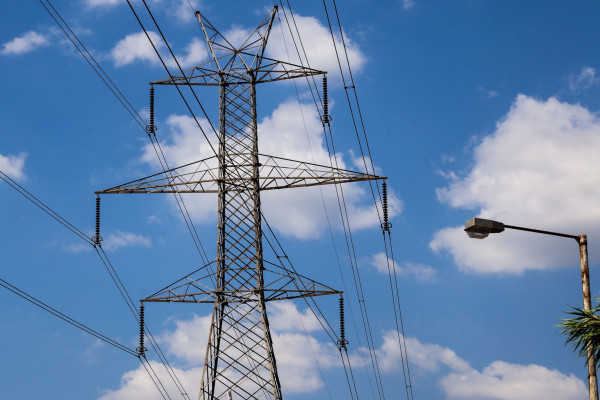
Energy cooperation featured prominently in the talks, with both sides reaffirming their commitment to the GREGY Interconnector, a major project that will link the Greek and Egyptian power grids. This cross-Mediterranean initiative aims to supply Europe with renewable energy from North Africa via Greece, positioning both nations as central players in Europe’s green transition and energy security agenda.
Migration policy was another key topic, with both leaders stressing the importance of legal pathways for labor movement. Mitsotakis and el-Sisi discussed the implementation of a bilateral agreement on the temporary employment of Egyptian workers in Greece, not only in agriculture but also in construction, manufacturing, and other sectors where legal labor is needed. “This initiative is a response to those who argue Europe’s migration policies are solely about deterrence,” Mitsotakis noted, describing it as a model for mutually beneficial migration management.
President el-Sisi echoed these sentiments, emphasizing that the partnership is grounded in historical friendship, mutual respect, and shared interests. He recalled Greece’s diplomatic support for Egypt during the turbulent period following the 2011 revolution, praising the country’s role in voicing Egyptian concerns within the European Union. “We will never forget Greece’s support during a difficult time for Egypt,” he said. “It speaks to the depth of our relationship.”
The two leaders also addressed a series of regional flashpoints, with special attention given to developments in Gaza, Syria, Libya, and Cyprus. Mitsotakis welcomed Egypt’s leadership in drafting an Arab plan for the reconstruction of Gaza, calling it a “pragmatic and necessary” starting point for long-term stabilization. On Syria, he stressed the importance of protecting all civilian populations and holding perpetrators of recent atrocities accountable, while calling for renewed political processes in war-torn Libya. On Cyprus, Mitsotakis rejected any notion of a two-state solution, warning that such rhetoric only undermines efforts to restart meaningful negotiations.
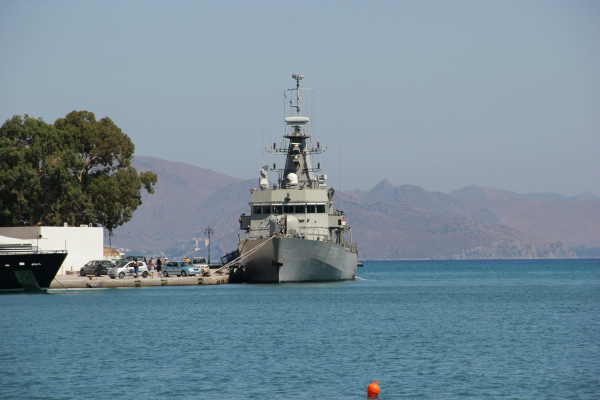
During the summit, Greece and Egypt signed three cooperation agreements covering maritime affairs, cultural exchanges, and information and communication technologies. Both governments described these as building blocks for deeper collaboration, not just bilaterally but also within the broader framework of Euro-Mediterranean cooperation.
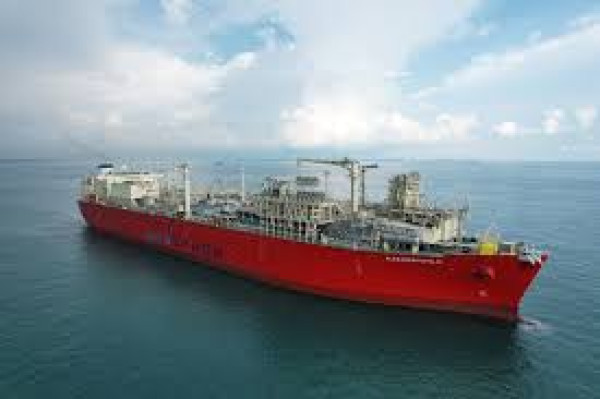
El-Sisi emphasized that the electricity interconnection project with Greece should be viewed not merely as a bilateral initiative but as a strategic regional effort, with implications for Europe’s energy future. He also expressed strong interest in expanding energy and gas cooperation and welcomed the idea of more Egyptian workers being legally employed in Greece across various sectors.
As the summit concluded, both leaders projected a strong sense of alignment and determination to tackle shared challenges. “With this declaration, we are not just reaffirming our intentions,” Mitsotakis said. “We are putting in place a concrete framework for real, ongoing cooperation in areas that affect the security, prosperity, and future of both our nations.”