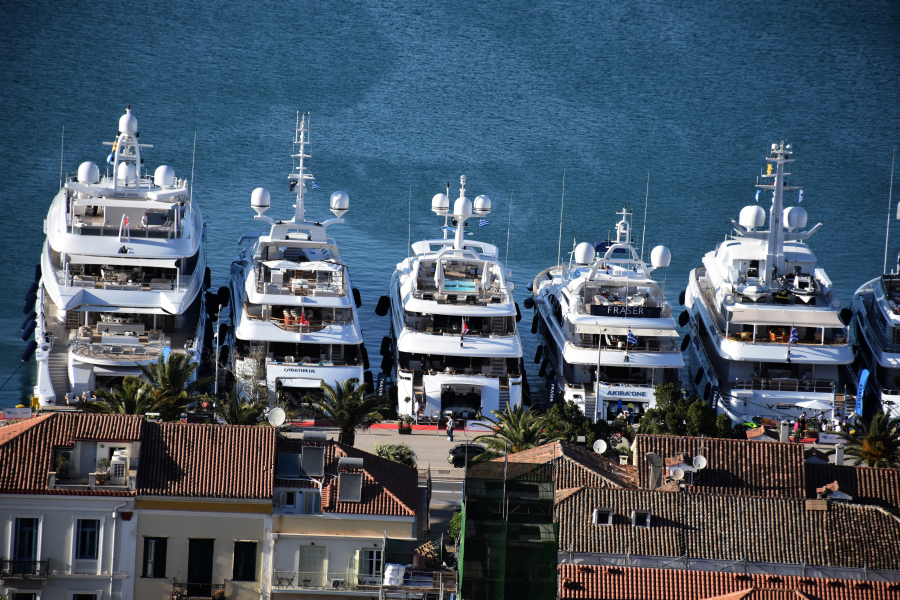
Signed by AADE chief Giorgos Pitsilis, the directive is designed to support Greece’s maritime tourism and shipping industries by allowing tax-free fuel for yachts making non-passenger trips—such as traveling to exhibitions, fulfilling charter agreements, or moving to shipyards for maintenance.
However, despite its business-friendly intentions, experts warn that the measure could be exploited for fuel smuggling.
The circular imposes strict registration and documentation requirements for vessels seeking the tax exemption.
Eligible yachts must be recorded in Greece’s digital “e-Ship Registry”, a system that logs all professional luxury yachts. Customs authorities can verify registrations, while fuel suppliers must submit detailed paperwork—including invoices, proof of participation in exhibitions, or charter agreements—to prove that the fuel is used legally.
However, concerns remain over enforcement effectiveness. Despite digital tracking tools like “e-Charter Permission”, oversight gaps may allow vessels to deviate from declared routes or misuse fuel. Authorities lack real-time monitoring, increasing the risk that tax-exempt fuel could be diverted for unauthorized activities.
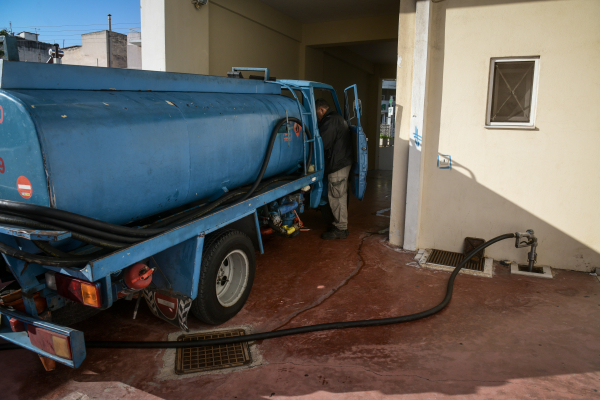
For example, a yacht granted tax-free fuel for an exhibition in Athens could instead use the fuel for unrelated commercial operations. Similarly, a vessel supplied for a charter transport mission could divert the fuel and transfer it to trucks for sale. While these movements are logged in the e-Ship Registry, authorities may struggle to detect violations immediately.
While the tax circular aims to enhance Greece’s maritime industry competitiveness, it could unintentionally open the door to fuel smuggling if oversight mechanisms are not tightened.
Without stronger enforcement and real-time tracking, critics warn that the measure might facilitate illegal fuel trading rather than simply supporting legitimate business operations.