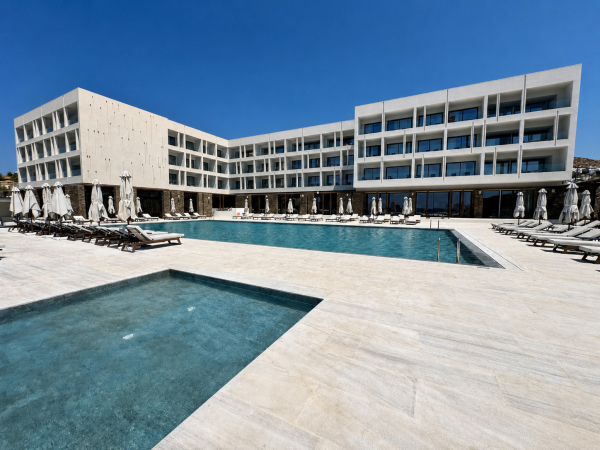

Foreign investors poured €12.4 billion into Greek real estate between 2019 and 2025, according to the Bank of Greece. That compares with just €3.38 billion from 2002 through 2018.
The surge has revived a property market battered by Greece's decade-long financial crisis. It has also highlighted a weakness in the country's investment recovery: A large share of foreign capital has flowed into property rather than investments that could increase productivity, expand exports or create well-paid jobs.
At the peak of the boom, almost one in every two euros of foreign direct investment entering Greece was directed toward real estate. Property accounted for 47% of FDI in 2023 and 46% in 2024. The share fell to 16.6% in 2025, largely because overall foreign investment increased rather than because overseas demand for Greek property collapsed.
Foreign buyers remain a relatively small part of the overall market. Property transactions totaled €23.5 billion in 2025, while foreign real-estate investment stood at €2.05 billion, or 8.7% of the total.
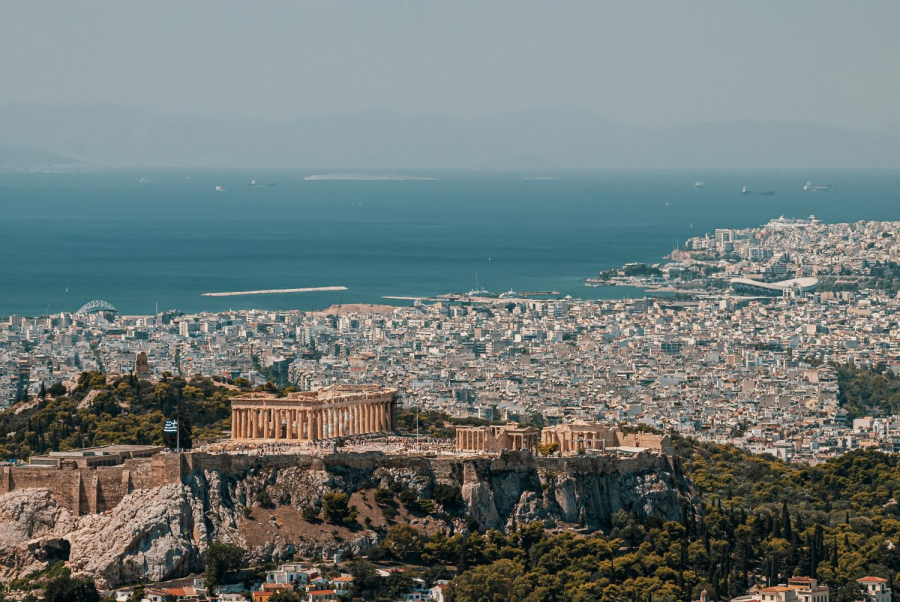
But overseas demand is concentrated in some of Greece's most sought-after locations, including central Athens, the capital's southern coastal suburbs and popular islands. That has contributed to rising prices and intensified a housing-affordability crisis for Greeks whose incomes have struggled to keep pace.
The boom has its roots in Greece's financial collapse. The debt crisis pushed property values sharply lower, leaving real estate relatively cheap compared with other Southern European markets. After Greece exited its final international bailout in 2018, falling political and financial risk made those discounted assets increasingly attractive.
Foreign buyers targeted investment apartments, luxury vacation homes and properties eligible for Greece's Golden Visa program, which grants residence rights to qualifying non-European Union investors.
The program has become a major driver of demand. Greece issued 26,109 new initial permanent-investor residence permits between 2019 and 2025, including a record 9,479 in 2025. At €250,000 per permit—the program's former baseline investment threshold—that would represent about €6.52 billion, equivalent to more than half of foreign property investment during the period, though actual investment levels vary and thresholds have since increased in many areas.
The trend raises a broader question about the quality of Greece's investment recovery. Buying existing apartments isn't the same as financing factories, technology or infrastructure. Real estate can generate economic activity, but it offers more limited potential to improve long-term productivity while potentially pushing housing further beyond the reach of local residents.