
Any measures, however, would depend on available fiscal space as heightened uncertainty in the Middle East raises new risks for the economy.
Among the options under consideration is a two-percentage-point reduction in the corporate tax rate, to 20% from the current 22%. The proposal is one of several scenarios being assessed by the government’s economic team, and no final decisions have been made.
The amount of fiscal room available will be a key factor in determining whether the government moves ahead. Developments in the Middle East have added a new layer of uncertainty to the economic outlook, with potential repercussions for energy prices, inflation and public finances.
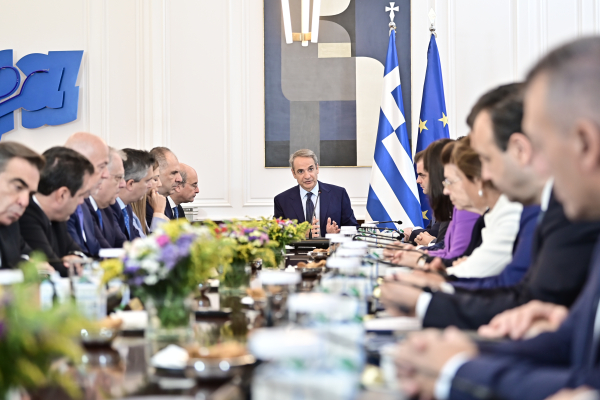
Against that backdrop, economic officials are expected to weigh the budgetary cost of any tax reductions before presenting a final package to Prime Minister Kyriakos Mitsotakis.
Other proposals under consideration include a tax discount for companies that pay their annual income-tax bill in a single payment rather than through monthly installments. Officials are also examining possible changes to advance tax payments, revisions to the system used to determine presumed taxable income for self-employed professionals and additional measures aimed at reducing the tax burden on businesses.
A broader part of the government’s thinking centers on rewarding tax compliance. Policymakers are considering incentives for companies that have no overdue tax or social-security liabilities, pay value-added tax on time and maintain a consistent record of meeting their obligations.
Other scenarios being evaluated include additional tax incentives for businesses that expand employment, a potential tax-compliance bonus for companies with clean payment and regulatory records, and more favorable tax treatment for profits reinvested in productive assets, digital transformation and green projects.
The proposals remain contingent on Greece’s fiscal performance. The government is seeking to preserve room for measures that could support businesses, investment and middle-income households without putting its budget targets at risk.
That balancing act has become more difficult as geopolitical tensions in the Middle East increase external risks to the Greek economy. A sustained rise in energy prices could feed into inflation and raise costs for businesses and households, potentially narrowing the fiscal space available for permanent tax cuts.
The final scope of the package is therefore likely to be decided closer to the Thessaloniki International Fair, when officials expect to have a clearer picture of budget execution, tax revenue and the broader economic impact of international developments.
Until then, the government’s economic team is working on several alternative scenarios, with measures expected to be prioritized according to their fiscal cost and the resources ultimately available.
The potential reduction of the corporate tax rate to 20% would rank among the most significant measures under consideration. But with geopolitical risks clouding the outlook, the government’s ability to deliver a broader round of tax relief will ultimately depend on whether Greece’s public finances can absorb the cost.