Greece has moved to increase financial support available to its energy-intensive industries after approving a higher carbon emissions factor that will be used to calculate compensation for indirect emissions costs over the 2026–2030 period.
The country’s energy regulator, the Regulatory Authority for Waste, Energy and Water (RAAEY), set the CO₂ emissions factor at 0.82 metric tons of CO₂ per megawatt-hour of electricity, above the 0.58 metric tons per MWh default benchmark applied at the European level.
The adjustment reflects Greece’s argument that electricity consumed in the country carries a higher embedded carbon cost because wholesale power prices remain strongly influenced by gas-fired generation, residual lignite capacity and electricity imports from neighboring markets with more carbon-intensive energy systems.
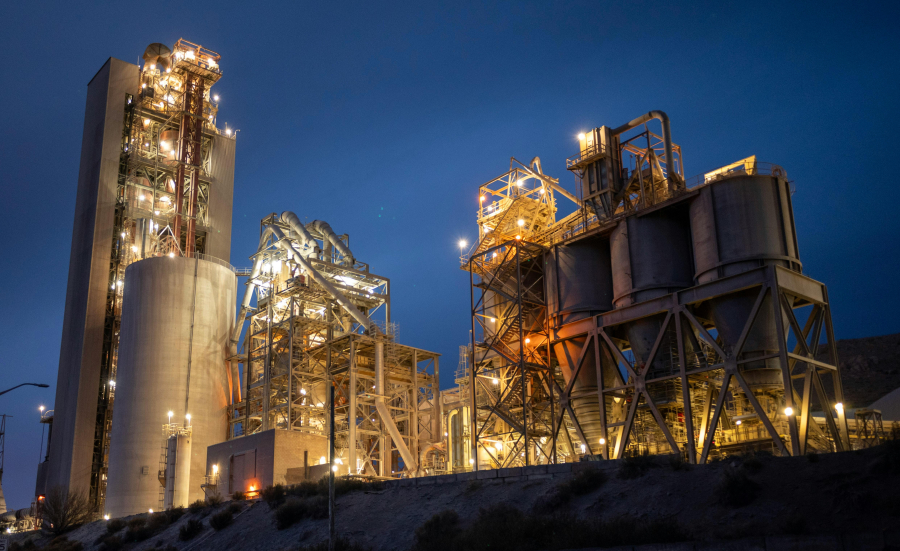
The change is aimed not at households but at large industrial consumers whose competitiveness depends heavily on power costs. Sectors expected to benefit include aluminium, steel, cement and metallurgy producers, as well as other export-oriented manufacturers.
These companies already absorb part of the European Union’s carbon pricing burden indirectly through electricity bills, as power generators pass through the cost of emissions allowances under the EU Emissions Trading System.
To prevent European industry from losing ground to competitors outside the bloc that are not subject to similar carbon costs, EU rules allow member states to compensate eligible industries for part of these indirect emissions expenses through state aid mechanisms.
Greece’s higher emissions coefficient will now serve as the reference point for calculating those payments. The higher the factor, the larger the carbon cost recognized in electricity consumption and, in turn, the greater the compensation available to qualifying companies.
The move is expected to provide additional support to Greek manufacturers facing persistently high energy costs, while strengthening the position of export-oriented industries competing in global markets.