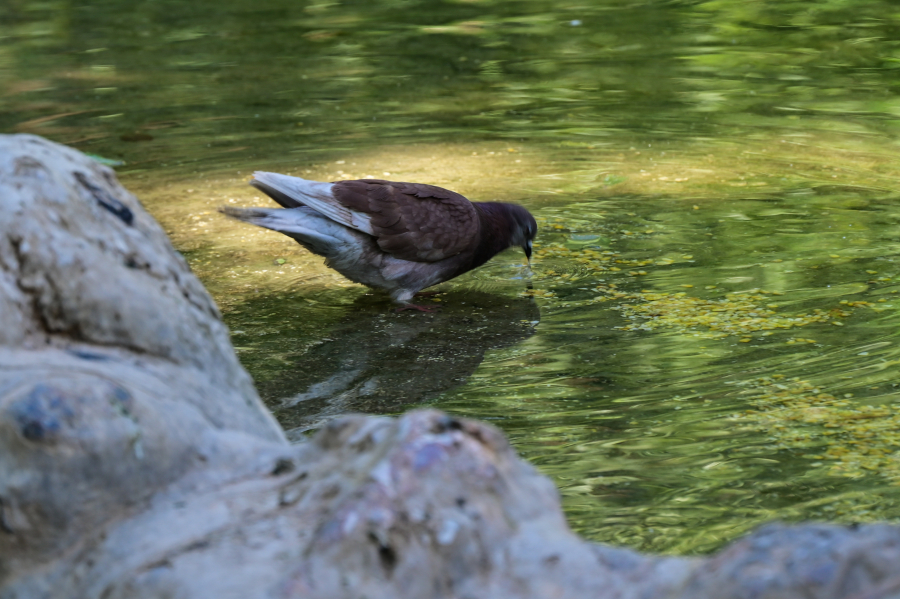
Greece’s capital is facing an unlikely urban challenge: an exploding pigeon population that is increasingly testing public health systems, residents’ patience and the city’s aging housing stock.
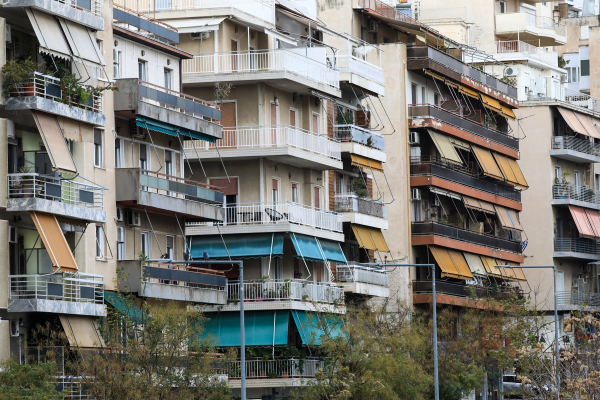
Across Athens, abandoned apartments, empty buildings and rooftop spaces have become ideal nesting grounds for pigeons, while the city’s expanding food economy provides an almost limitless supply of leftovers. The combination has transformed parts of the Greek capital into dense urban habitats for the birds.
Residents in neighborhoods from Kypseli and Patissia to Pangrati report entire courtyards, balconies and building façades overtaken by nests, droppings and flocks that return year after year.
The problem reflects broader changes in Athens itself. Decades of demographic shifts, an aging population and the legacy of Greece’s financial crisis left thousands of properties vacant or only partially occupied. Those empty spaces now function as substitutes for the pigeons’ natural cliffside habitats.
At the same time, the proliferation of cafés, bakeries, takeaway outlets and street-food businesses since the 1990s has created abundant feeding opportunities. Food scraps, intentional feeding and informal pigeon breeding have accelerated population growth further.
Authorities stress that the birds cannot be harmed or culled, while breeding pigeons inside urban areas is prohibited. Yet officials acknowledge that concentrated populations create sanitation risks, damage infrastructure and attract parasites associated with nesting sites and dead birds.
The issue is increasingly visible in one of Europe’s hottest capitals, where air-conditioning units — now ubiquitous as summers intensify — have become another preferred nesting location.
Experts argue that public awareness campaigns discouraging feeding may offer the only realistic response. Without intervention, Athens risks seeing a nuisance evolve into a permanent feature of urban life.