Athens is embarking on one of its most ambitious public transport overhauls in decades, combining a large-scale fleet renewal, metro modernization and artificial intelligence technologies as Greece seeks to tackle chronic congestion in the capital and align its transit network more closely with broader European standards.
The plans were presented during an event on the transformation of Athens’ public transport system attended by Prime Minister Kyriakos Mitsotakis and transport officials.
At the center of the strategy is the renewal of the city’s bus network. Greece has already procured 1,076 buses through the European Union-backed Recovery and Resilience Facility and aims to increase
Athens’ operational fleet to 1,700 vehicles. Authorities say the expansion will improve route coverage, reduce waiting times and increase reliability across a city long challenged by traffic congestion and growing commuter demand.
Athens’ metro system is also undergoing upgrades, with a particular focus on Line 1, the capital’s oldest rail corridor linking the port of Piraeus with northern districts. Authorities are refurbishing 14 train sets, with the first rebuilt unit expected to return to service next month.
The target is to reduce service intervals to five minutes on Line 1 and as low as 3.5 minutes during peak periods. Across the broader network, the number of available metro trains is expected to rise from 40 in 2019 to 60 by 2027. More than 800,000 passengers currently use Athens’ metro and tram systems each day, according to operator STASY.
Artificial intelligence is also being integrated into the transport strategy. Officials announced plans to deploy AI-enabled cameras and drones to strengthen security, monitor congestion and address fare evasion through real-time crowd analysis and operational monitoring.
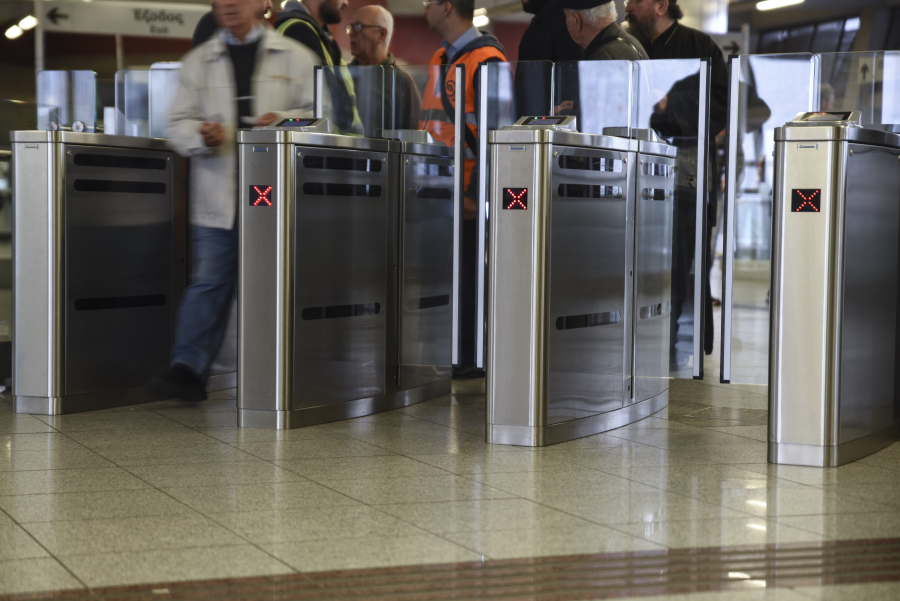
Passengers will also see digital upgrades, including contactless bank card payments, mobile wallet integration for the ATHENA transit card and a new platform allowing commuters to report issues directly.
Officials estimate bus ridership could increase by 25% and rail usage by 10% by 2026 as the investments come online.