
A gap is emerging between the Greek government’s vision for the future of tourism development and the concerns voiced by industry stakeholders, as debate intensifies over a new spatial planning framework that officials describe as critical to the sector’s long-term sustainability.
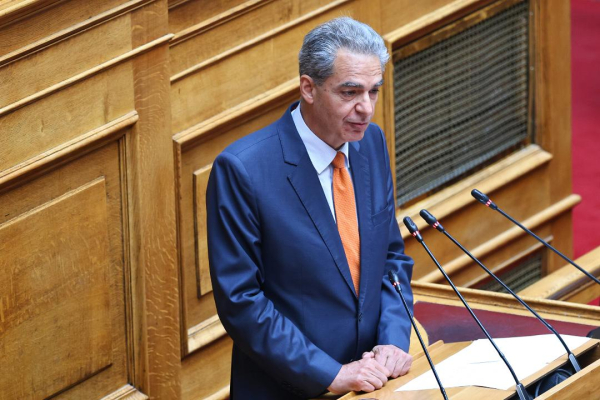
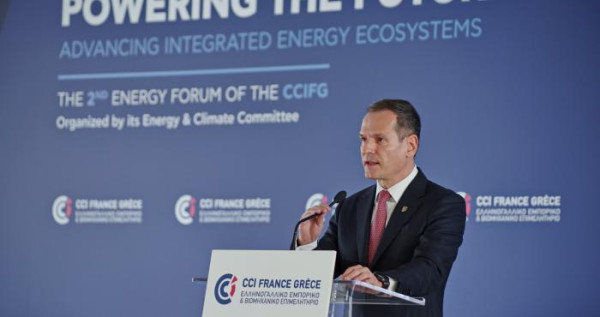
Speaking at the annual assembly of the Greek Tourism Confederation (SETE), Prime Minister Kyriakos Mitsotakis presented the new Special Spatial Planning Framework for Tourism as a key pillar of the government’s strategy to balance growth with the protection of destinations increasingly strained by rising visitor numbers.
Mr. Mitsotakis argued that Greece must adopt a more differentiated approach to tourism development, saying some destinations have reached levels where authorities “need to hit the brakes,” while others still have room for expansion. The framework, he said, is intended to support infrastructure investment, distribute tourism activity beyond established hotspots and strengthen the resilience of destinations.
The message reflects the government’s broader effort to reposition Greek tourism around sustainability rather than volume, as the country continues to post record tourism revenues and arrivals.
Yet industry representatives, while broadly supportive of the need for long-term planning, argue that the proposed framework focuses too heavily on zoning rules, construction limits and land-use restrictions without articulating a broader national strategy for the future direction of Greek tourism.
Executives in the sector warn that new constraints planned for mature destinations—many of which are among Greece’s strongest tourism performers—could undermine investment at a time when Mediterranean rivals are competing aggressively for international capital.
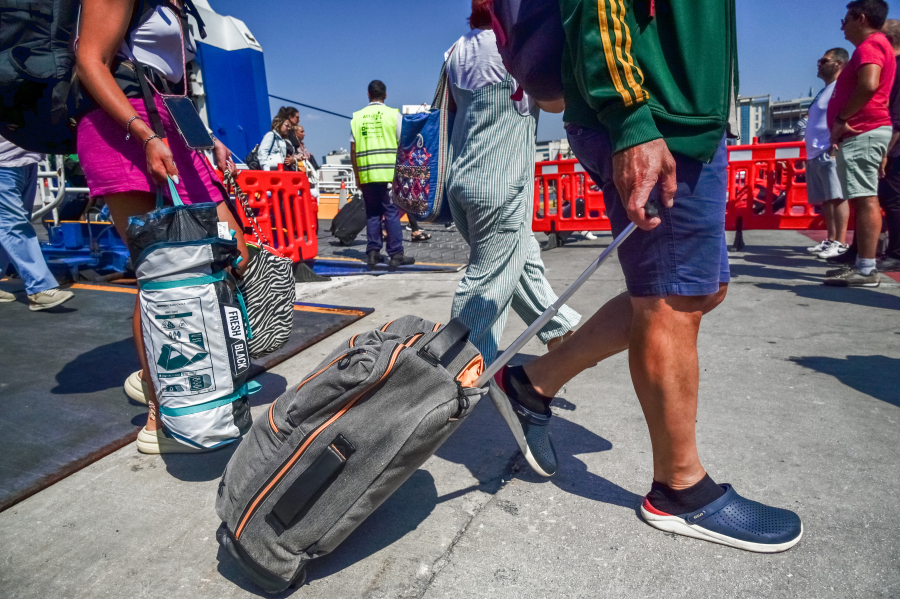
The debate comes as Greece seeks to manage the pressures associated with rapid tourism growth while avoiding the political and economic backlash seen in parts of Southern Europe over overtourism. Mr. Mitsotakis used his speech to reject blanket narratives around “overtourism,” insisting that policy should be tailored to local realities rather than generalized across the country.
However, tourism bodies argue that the framework itself risks doing the opposite.
Although the government describes the plan as destination-specific, industry stakeholders say it continues to rely on broad classifications and horizontal restrictions that fail to account for the distinct characteristics and development needs of individual regions.
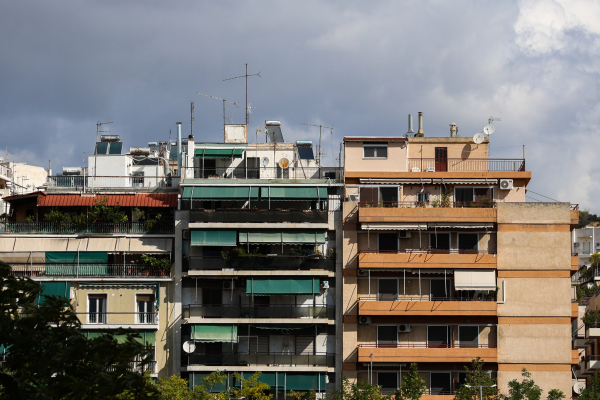
Another point of contention concerns infrastructure and workforce issues. The Prime Minister highlighted the importance of investments in transport networks, employee housing and destination resilience, all increasingly critical issues for Greece’s tourism economy. Industry representatives counter that such priorities remain largely outside the scope of the planning framework itself, which they say remains centered primarily on accommodation capacity, development zones and building regulations.
The sharpest divergence, however, concerns investment.
While the government continues to promote tourism investment and expansion into new markets, industry groups warn that the framework may instead introduce uncertainty, particularly because of restrictions proposed for saturated destinations and what they describe as inconsistencies between growth objectives and the rules governing strategic investments.
The result is a widening divide between the government’s narrative of sustainable, investment-led tourism growth and an industry increasingly calling for a more flexible, strategic and locally tailored approach to one of Greece’s most important economic sectors.