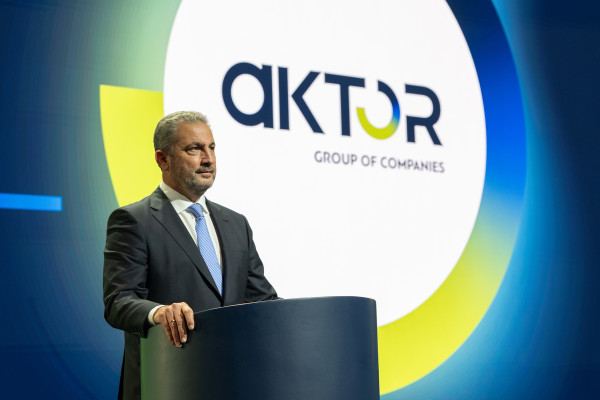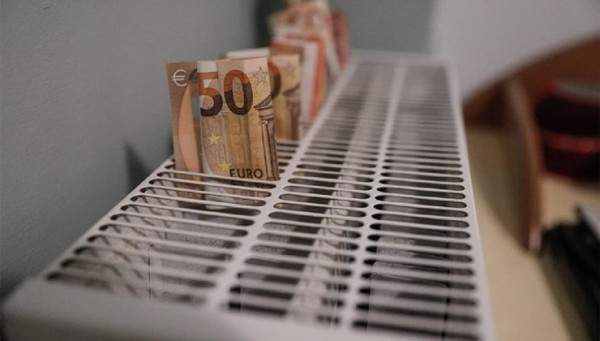

Europe risks sliding into a fresh energy crisis as geopolitical turmoil in the Gulf collides with shrinking gas reserves and persistently high power prices, according to Evangelos Mytilineos, chairman of Greek industrial and energy group Metlen.
Speaking at the Financial Times Energy Transition Summit, Mytilineos warned that Europe’s decision to cut itself off from Russian natural gas has left the continent increasingly exposed at a time when instability in the Middle East threatens global energy flows and pushes up costs for industry.
“Europe is entering another dangerous period,” he said, noting that European gas storage facilities are filling far more slowly than last year while benchmark gas prices have already climbed between 40% and 50% in recent months.
The comments underscore mounting concern among European industrial groups that the continent’s energy strategy has left manufacturers vulnerable to volatile fuel markets and structurally higher electricity costs than rivals in the U.S., the Gulf and Asia.
Metlen, formerly known as Mytilineos Holdings, occupies a unique position in Europe’s energy economy. The company is one of Greece’s largest private electricity producers while also operating a major aluminium business, making it one of the country’s largest industrial consumers of power and natural gas.
“Under normal conditions, one side offsets the other,” Mytilineos said. “But these are not normal conditions.”
The executive said tensions around the Strait of Hormuz — the narrow waterway through which roughly a fifth of global oil and liquefied natural gas supplies pass — are simultaneously driving up aluminium and natural gas prices.
A large share of the world’s aluminium production has migrated to Gulf countries over the past decade because of cheap energy costs, he said, meaning any disruption in the region immediately reverberates through global metals markets. At the same time, soaring gas prices are increasing costs for European manufacturers already struggling to compete internationally.
Mytilineos said Metlen has already hedged its energy exposure through 2027, reflecting the company’s concern that Europe may face supply shortages if the Gulf crisis persists into winter.
European gas inventories are currently around 30% full, compared with roughly 50% at the same point last year, according to Mytilineos. If geopolitical tensions escalate further, Europe could find itself squeezed between reduced Russian pipeline supplies and disruptions to Qatari LNG exports.
“We decided to remove Russian gas from the system, and then a few months later we have war in the Gulf,” he said. “If we lose both Russian gas and Qatari LNG, who benefits from that?”
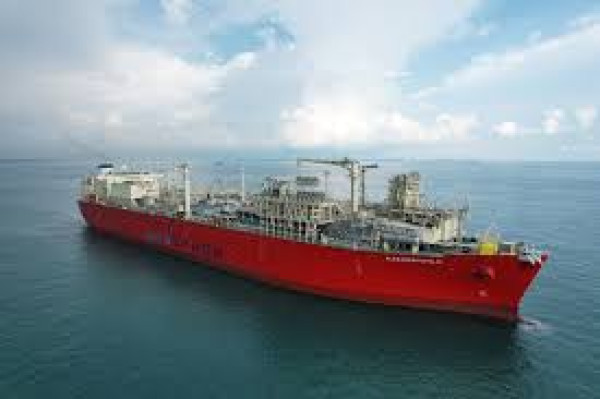
While Europe has sharply reduced its reliance on Russian pipeline gas since Moscow’s invasion of Ukraine, much of the shortfall has been replaced by imports of liquefied natural gas from the United States.
Mytilineos acknowledged that most LNG cargoes currently arriving in Greece and used by Metlen originate from the U.S., though he declined to directly criticize the growing dependence on American energy supplies, calling it “a heavy political issue.”
The executive argued that Europe’s deeper problem is structural rather than temporary. As long as electricity prices remain tied to natural gas markets, he said, European industry will continue to face an uncompetitive cost base.
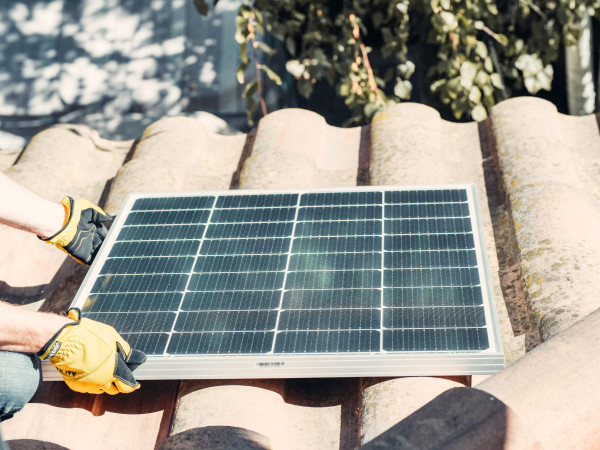
During daylight hours, excess solar generation increasingly drives electricity prices close to zero in parts of southern Europe. But after sunset, prices can spike dramatically, sometimes reaching €200 per megawatt-hour.
“For industries competing globally where electricity costs are closer to €30 per megawatt-hour, survival becomes impossible,” Mytilineos said.
European industrial groups have repeatedly warned that high energy prices are accelerating deindustrialization across the continent, particularly in sectors such as chemicals, metals and heavy manufacturing.
Mytilineos also criticized what he described as a decade-long policy mindset in Brussels that underestimated the importance of heavy industry to Europe’s economy.
“There was a belief that Europe no longer needed energy-intensive industries,” he said. “We have lived with that mentality for the last ten years.”
Despite the challenges, Mytilineos said the global energy transition is continuing, though less in a straight line than policymakers once anticipated. Instead, he argued, investment in renewable energy is increasingly being driven by concerns over national energy security rather than climate policy alone.
The biggest unresolved issue remains energy storage. Metlen plans to begin construction shortly on a 330-megawatt battery storage project in central Greece, one of the largest in Europe. Yet even large-scale battery systems currently provide only around two hours of storage capacity, limiting their ability to fully stabilize power grids overnight.
Mytilineos also pointed to signs that Greece’s electricity market has strengthened significantly in recent years. Rapid growth in renewable energy generation has transformed the country into a net exporter of electricity during parts of the day, particularly to neighboring Balkan markets.
“We are exporting midday electricity that otherwise would have been wasted,” he said.