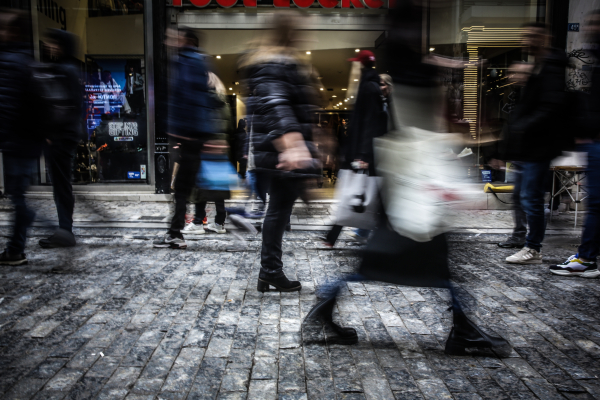

Now, a new wave of inflation, geopolitical instability and rising living costs is deepening public anxiety and driving consumer confidence to some of the lowest levels in the European Union.
Two major surveys published in recent weeks by Greece’s Foundation for Economic and Industrial Research (IOBE) and the Institute of Retail Consumer Goods Research (IELKA) paint a stark picture of a society increasingly consumed by financial insecurity and exhaustion after years of successive crises.
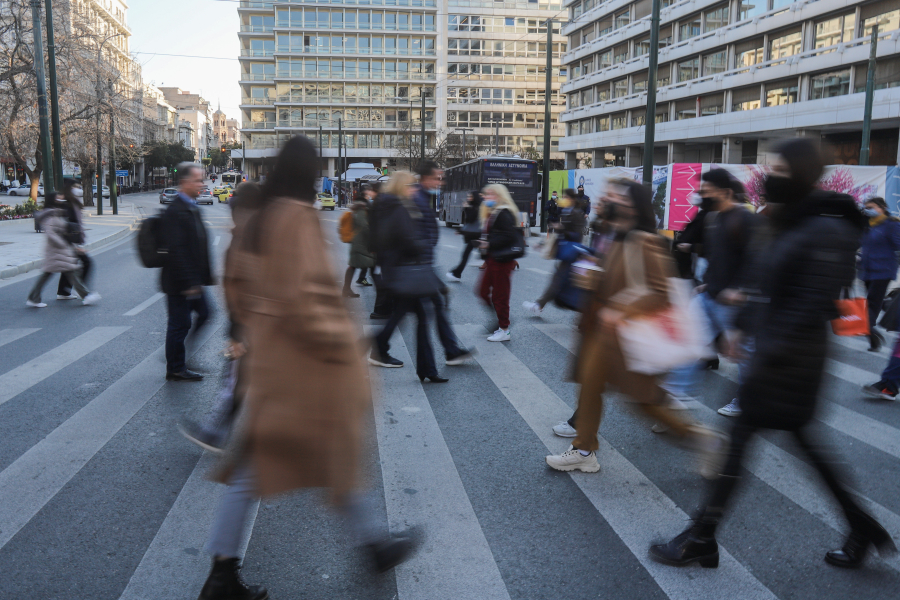
The findings suggest that Greek consumers are retreating into survival mode. Households are scaling back spending, postponing purchases and focusing almost exclusively on covering basic needs as concerns over inflation and global instability intensify.
According to IOBE’s April 2026 economic climate survey, Greece remains the most pessimistic country in the EU in terms of consumer confidence. The index fell further to minus 54.7 points in April, down from minus 52.5 a month earlier, underscoring the worsening mood among consumers.
More than seven in ten respondents said their household finances had deteriorated over the past year, while nearly the same proportion expect conditions to worsen further over the next 12 months. Three quarters of those surveyed also believe the Greek economy as a whole is heading in the wrong direction.
The pressure is becoming increasingly visible in household finances. Nearly nine out of ten respondents said they do not expect to save any money in the coming months, while 63 percent reported they are “just making ends meet.” At the same time, the number of households forced to draw from savings to cover day-to-day expenses continues to rise.
The deteriorating sentiment is also reshaping consumer behavior. Greeks are increasingly reluctant to commit to large purchases such as furniture, household appliances or property investments. Only 2.7 percent of households surveyed said they were considering buying a home within the next year, reflecting both weak purchasing power and broader uncertainty about the future.
A parallel nationwide survey by IELKA, conducted among 800 consumers across Greece, highlights the psychological toll of the ongoing economic strain. Respondents cited fear, anger and anxiety as dominant emotions linked to rising prices and international developments, particularly escalating tensions in the Persian Gulf.
For many consumers, geopolitical instability is no longer viewed as a distant issue but as a direct threat to household finances. Prolonged inflation and fears of further energy market disruptions have reinforced a sense of vulnerability that has lingered in Greece since the years of austerity.
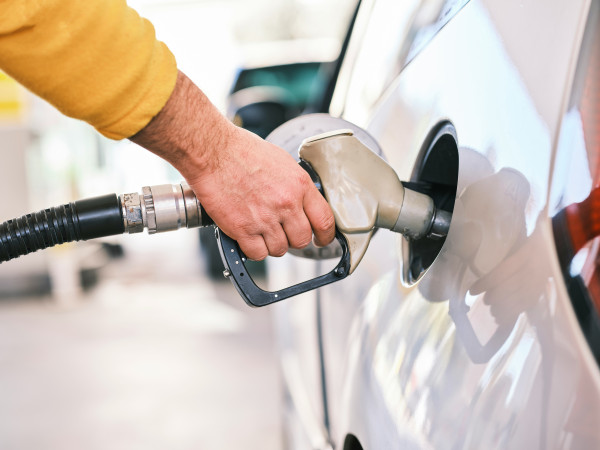
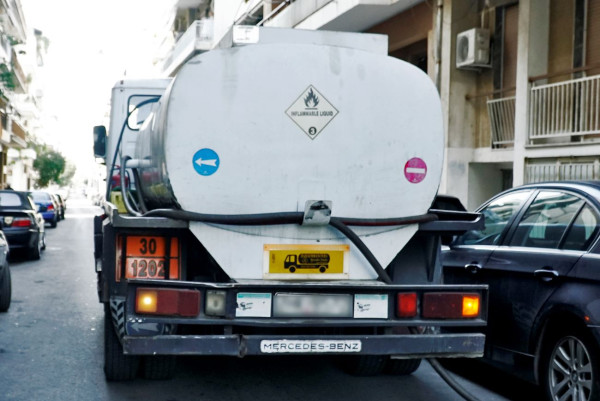
Food prices remain the single biggest source of pressure for households, with 40 percent of respondents identifying groceries as their main financial burden. Energy costs followed at 34 percent, while fuel prices were cited by 21 percent of consumers. Many expect fuel costs to climb even higher in the coming months, further squeezing disposable income.
The response from households has been increasingly defensive. Six in ten consumers said they had already postponed spending on clothing and personal items, while more than half reported cutting back on entertainment, dining out and holidays. Others are turning to discount hunting, cheaper products and, increasingly, reducing even basic grocery purchases in an effort to cope with rising costs.
The surveys reveal a growing disconnect between macroeconomic indicators and public sentiment in Greece. While the country has returned to investment-grade status and posted stronger-than-expected growth in recent years, many households continue to feel trapped in a cycle of declining purchasing power and permanent economic uncertainty.