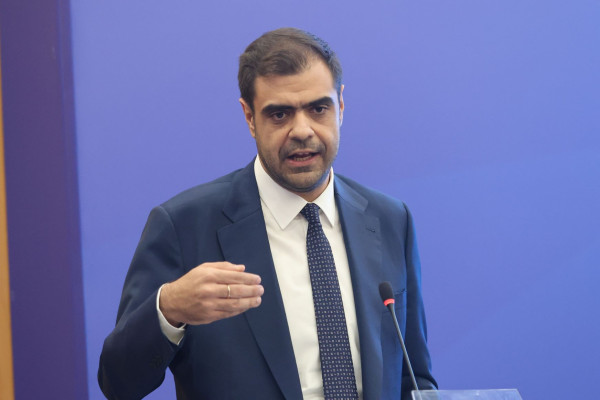
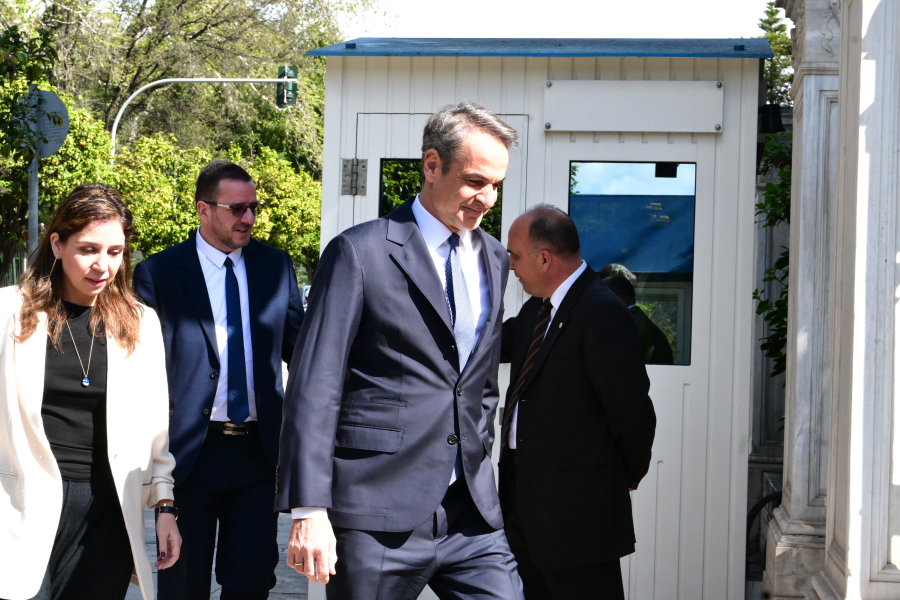
Greece appears to be heading toward national elections in the autumn, as Prime Minister Kyriakos Mitsotakis has quietly moved away from the idea of an early summer vote, despite publicly maintaining that his government will serve a full term until 2027.
According to information emerging from within Maximos Mansion, the seat of the Greek government, there is now a widespread belief that the administration will not complete its four-year mandate. While early elections had been seriously considered for the start of summer, that option has been discarded in favor of a later timetable shaped by political, institutional, and geopolitical considerations.
A key priority for the government is to oversee the appointment of new leadership in Greece’s top court, the Areios Pagos, before heading to the polls. The current leadership’s term expires at the end of June, and with several high-profile cases and scandals still open, Mitsotakis is said to consider it essential that his administration selects the next president and chief prosecutor, ensuring continuity and stability within the judiciary.
ΔΙΑΒΑΣΤΕ ΕΠΙΣΗΣ
At the same time, the government is seeking to finalize outstanding issues related to the European Union’s Recovery Fund by September. Failing to do so could expose Athens to criticism over potentially lost funding worth billions of euros, an accusation the prime minister is keen to avoid ahead of any election campaign.
Another sensitive issue is the ongoing wiretapping scandal, which has cast a shadow over the government in recent years. Efforts are reportedly underway to bring the matter to a close before the autumn, limiting its political impact as the country approaches the ballot box.
Economic pressures are also shaping the timing. Greek households continue to feel the strain of rising prices and declining purchasing power, despite government claims of wage growth and price controls. Mitsotakis is expected to use the Thessaloniki International Fair in September—traditionally a मंच for major economic announcements—to unveil a package of measures aimed at easing the cost-of-living crisis and strengthening his electoral position.
Beyond domestic concerns, regional instability is playing a role. Ongoing tensions in the Middle East, particularly involving U.S. and Israeli actions against Iran, have created a volatile geopolitical environment. Greek officials reportedly view the prospect of holding elections during such uncertainty as risky, especially given the country’s indirect alignment with Western allies.
Finally, an early vote would disrupt plans to initiate a constitutional revision process, a significant institutional reform effort that the government wants to set in motion before any electoral contest.
In parallel with these developments, Mitsotakis is expected to carry out a cabinet reshuffle in late spring, an attempt to ease internal dissent within his party’s parliamentary ranks. The reshuffle is likely to coincide with the ruling party’s congress in May, as the prime minister works to consolidate support and prepare for the political battle ahead.
Final decisions on timing are expected around Easter, but the direction now appears clear: Greece is preparing for elections later this year, not sooner.