
Greece’s wiretapping scandal has entered a decisive phase after prosecutors split the case file and referred its most serious component to the country’s top court, a move legal experts warn could allow key offenses to expire before charges are filed.The decision by the Athens first-instance prosecutors’ office to forward the most sensitive part of the investigation to the prosecutor of the Supreme Court, known as the Areios Pagos, centers on potential espionage charges linked to the use of Predator spyware. It also concerns the possible criminal liability of executives associated with Intellexa and Krikel.
Critics say the referral risks delaying proceedings in a case already racing against time, as many of the alleged acts date back to 2021 and may soon fall under Greece’s statute of limitations for lesser offenses.
The scandal, which has raised concerns about democratic safeguards and the rule of law in the European Union member state, involves allegations that Predator spyware was used to target politicians, senior government officials and members of the armed forces.
A recent ruling by an Athens misdemeanors court, following an extensive evidentiary process, concluded that several strands of the case remain unresolved and require further investigation, including possible espionage, corporate liability, perjury by witnesses and the mechanics of how spyware-laced messages were distributed.
The espionage dimension has now taken center stage. The court highlighted the software’s capacity to access sensitive data remotely and noted that alleged targets included high-ranking political and military figures. That finding has intensified scrutiny of why many of those affected have yet to testify before authorities.
At the same time, investigators face mounting pressure over a separate group of nine individuals whose potential role in the scheme the court said should be examined. Those individuals are believed to have been employees, intermediaries or external associates linked to the companies involved and are viewed by some legal experts as key witnesses who could shed further light on the operation.
However, much of the alleged conduct tied to those individuals involves misdemeanors, which in Greece are subject to a five-year limitation period unless formal charges are filed and court proceedings are initiated in time. With most of the relevant acts dating to early and mid-2021, the window for prosecution is rapidly narrowing. Lawyers involved in the case say that since the court ruling was finalized in March 2026, each passing day risks rendering additional acts legally unenforceable.
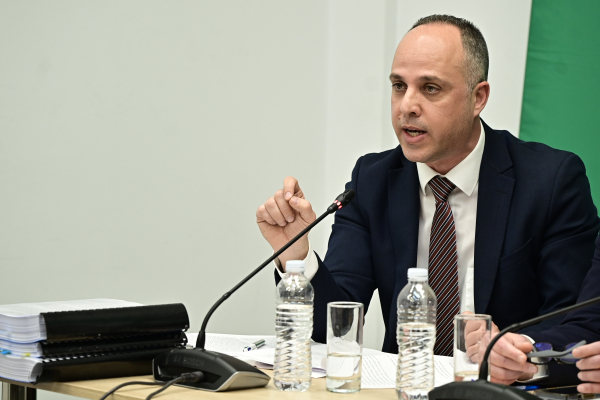
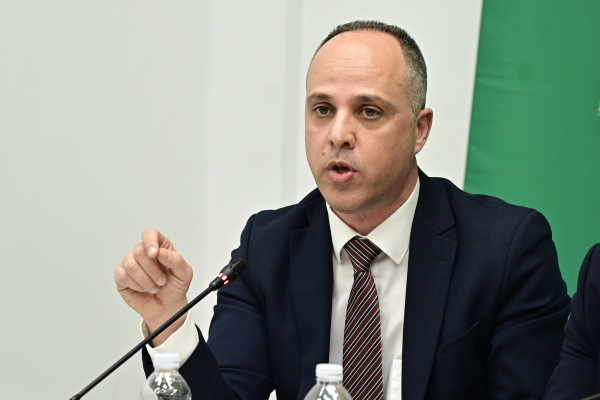
The handling of the case has drawn sharp criticism from some legal professionals. Christos Kaklamanis, a lawyer representing PASOK leader Nikos Androulakis — one of the most prominent alleged surveillance targets — said delays in bringing charges could effectively dismantle parts of the case.
He argued that prosecutors should have immediately filed charges against the additional suspects and moved to secure trial dates and issue summonses, steps that could have halted the limitation period. Instead, he said, transferring the file to the Supreme Court introduces procedural delays even though, under Greek law, prosecutions are initiated at the first-instance level.
Kaklamanis also warned that the same risk could extend to the espionage allegations if they are not upgraded to felony charges, which carry longer limitation periods. Whether that occurs now depends on the Supreme Court prosecutor’s office and on the degree of cooperation from alleged victims of the surveillance.
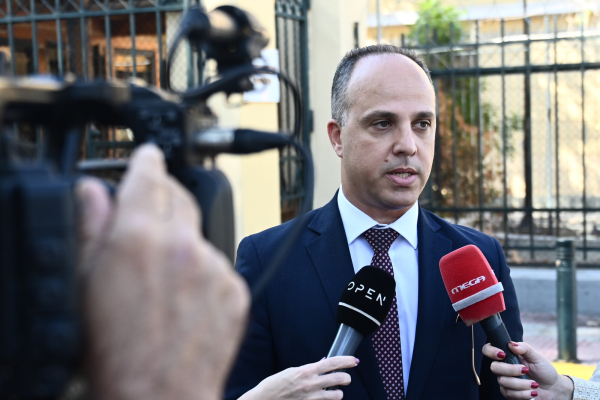
Another lawyer representing individuals targeted by the spyware, Zacharias Kesses, said the judiciary now has a “second chance” to properly investigate the case. He urged authorities to summon all identified victims, particularly those who held sensitive government positions, noting that many had been formally notified as early as 2023 but have not fully engaged with the investigation.
Kesses also questioned earlier stages of the probe, describing them as superficial, and pointed to reports that Intellexa had formal links with a Greek state-affiliated security body, arguing that authorities should have been fully aware of the company’s activities. The Supreme Court prosecutor’s office has not publicly commented on the timeline or next steps.