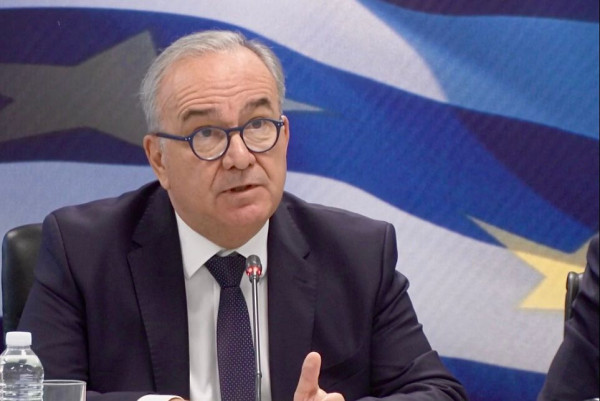

Greece is preparing to announce an increase to its minimum wage, with Prime Minister Kyriakos Mitsotakis expected to make the official announcement during a Cabinet meeting on Wednesday. The decision follows a formal review process that included reports from the government’s Consultation Committee and a panel of independent experts.
This latest adjustment to the minimum wage comes at a time when Greek households are grappling with persistent inflation and rising living costs. The government has made it clear that the aim is to boost workers' purchasing power while maintaining fiscal discipline. In recent remarks shared through his weekly social media update, Prime Minister Mitsotakis emphasized that the government would do everything possible to improve incomes without straying from its budgetary commitments.
The new minimum wage is set to take effect on April 1, 2025. According to leading Greek media, the most likely scenario is an increase from the current €830 to €880 per month—an approximate 6% rise. While relatively modest, the increase is seen as a step toward addressing the growing pressure on working-class Greeks and as part of a broader strategy to reinforce disposable income across the country.
Still, the process has not been without criticism. Greece’s largest labor union, the General Confederation of Greek Workers (GSEE), refused to participate in the consultation process, maintaining its firm position that wage setting should not be dictated unilaterally by the state. Instead, the union continues to call for a return to free collective bargaining between employers and workers, grounded in real economic and social conditions as well as the basic needs for a decent standard of living.
Greece has made notable, though uneven, progress in increasing its minimum wage over the past decade. Between 2015 and 2025, countries in Eastern and Southeastern Europe have seen some of the most significant gains in nominal wage terms. Greece, while moving forward, still falls short of converging with the higher wage levels of wealthier Western European nations.
The effects of the new wage hike will extend beyond the private sector. It is expected to impact over half a million private-sector workers directly, and for the first time, it may also influence compensation in the public sector through interconnected benefits and allowances. Social support payments such as unemployment, maternity, and marriage benefits—many of which are calculated based on the minimum wage—will also rise accordingly.