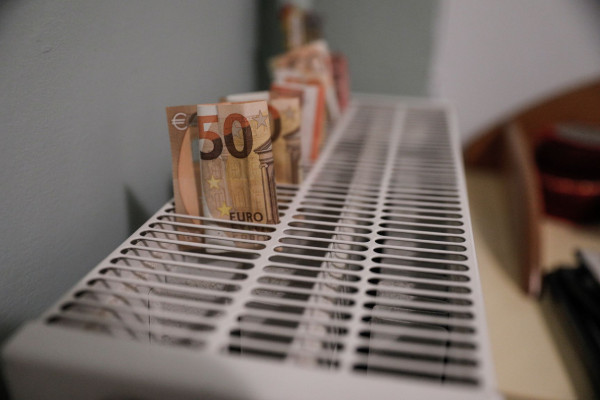
More than half of Greece's population cannot afford an unexpected expense, according to European Union statistics, highlighting a widening disconnect between the country's economic recovery and the financial pressures facing ordinary households.
Data from Eurostat, the EU's statistical agency, show that 50.5% of people in Greece were unable to cover an unforeseen financial expense in 2025, up from 43.9% in 2024.
The 6.6-percentage-point increase marks a sharp reversal in household financial resilience and the worst reading since at least 2019. In 2019, the proportion stood at 47.8%, meaning the share of financially vulnerable residents has increased by 2.7 percentage points over six years. The indicator measures people's ability to handle unexpected costs, such as urgent home repairs or unforeseen family expenses, without relying on borrowing or other financial assistance
ΔΙΑΒΑΣΤΕ ΕΠΙΣΗΣ



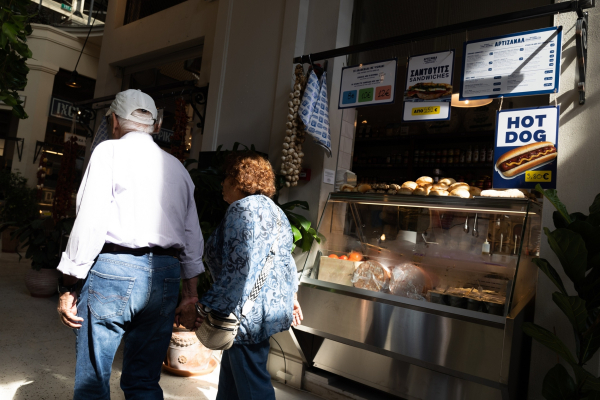
The deterioration contrasts with Greece's broader economic performance, which has improved considerably since the country's prolonged sovereign-debt crisis. While economic growth and rising incomes have supported the recovery, many households continue to struggle with higher food prices, housing costs and energy bills.
The figures suggest that improvements in headline economic indicators haven't translated into stronger financial buffers for a substantial share of the population.
The latest increase also reverses earlier progress. By 2022, the proportion of Greeks unable to meet unexpected expenses had fallen to 43.6%, before rising again.
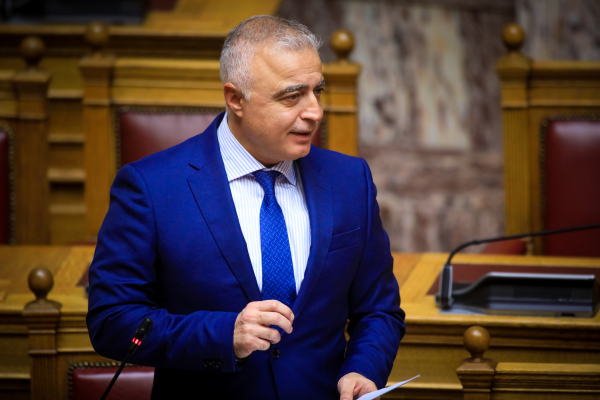
The findings could intensify political pressure on Prime Minister Kyriakos Mitsotakis's government, which has emphasized economic growth, wage increases and measures intended to ease the cost-of-living burden.
Critics argue that government support has been insufficient and have called for reductions in indirect taxes to relieve pressure on household budgets.