Inflation in Greece accelerated sharply to 5% in September, driven by soaring energy costs, higher transportation expenses and persistent increases in food and housing prices, adding fresh pressure on households in one of the eurozone’s most heavily indebted economies.
Consumer prices rose 5% from a year earlier, up from 3.8% in August and 1.9% in September 2025, according to figures released Friday by the Hellenic Statistical Authority, known as ELSTAT.
The acceleration underscores the renewed inflationary pressures confronting Greece, where consumers are already grappling with elevated living costs and limited purchasing power.
ΔΙΑΒΑΣΤΕ ΕΠΙΣΗΣ


Energy prices accounted for some of the most dramatic increases
On a monthly basis, consumer prices jumped 2.1%, compared with a 0.8% increase during the corresponding period last year. The end of summer discounts on clothing and footwear contributed to the monthly rise.
Energy prices accounted for some of the most dramatic increases.
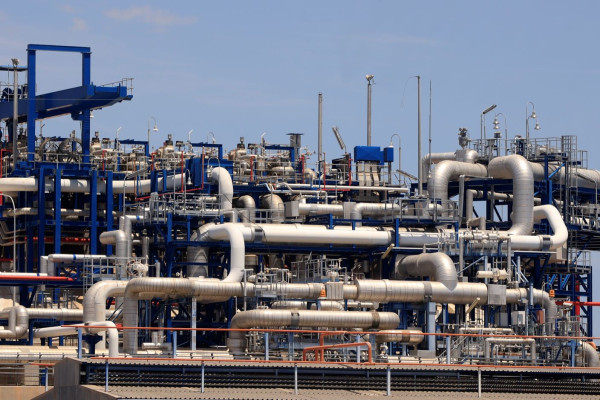
Natural-gas prices surged 55.2% from September 2025, while heating oil climbed 53.2%. Diesel prices jumped 38.8%, gasoline rose 22.5% and electricity costs increased 15%.
The increases threaten to ripple through the broader economy, raising transportation, production and household expenses as the country approaches the winter heating season.
Food inflation remained another source of pressure
Travel and tourism-related services also registered substantial price increases. Hotel accommodation became 29.8% more expensive, while airfares climbed 22% and package holidays rose 6.5%.
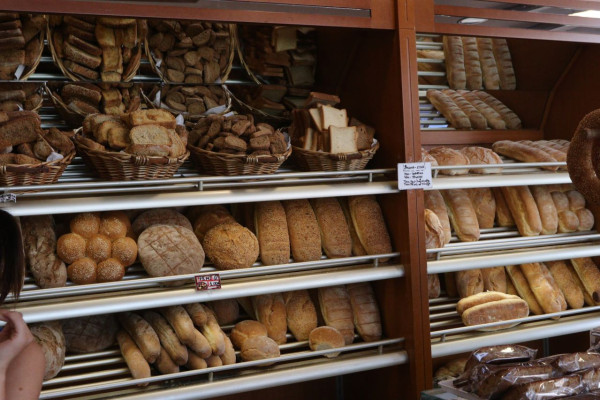
Food inflation remained another source of pressure. Beef prices increased 12.3%, preserved fish rose 11.5%, and lamb and goat meat climbed 9.7%. Egg prices increased 6.6%, while pork rose 4.4%.
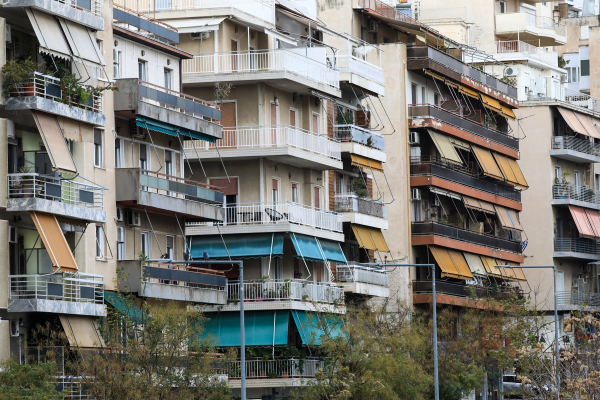
Housing costs continued their upward trajectory, with rents increasing 5.9% annually. Home-related services rose 5.7%, while repair and maintenance costs climbed 5.3%.
Dining out became 5.7% more expensive, reflecting higher prices at restaurants, cafés and fast-food establishments. Health-insurance premiums increased 7%.
The broader inflation trend is equally concerning. Average inflation over the 12 months through September reached 3.6%, compared with 2.5% during the preceding 12-month period.