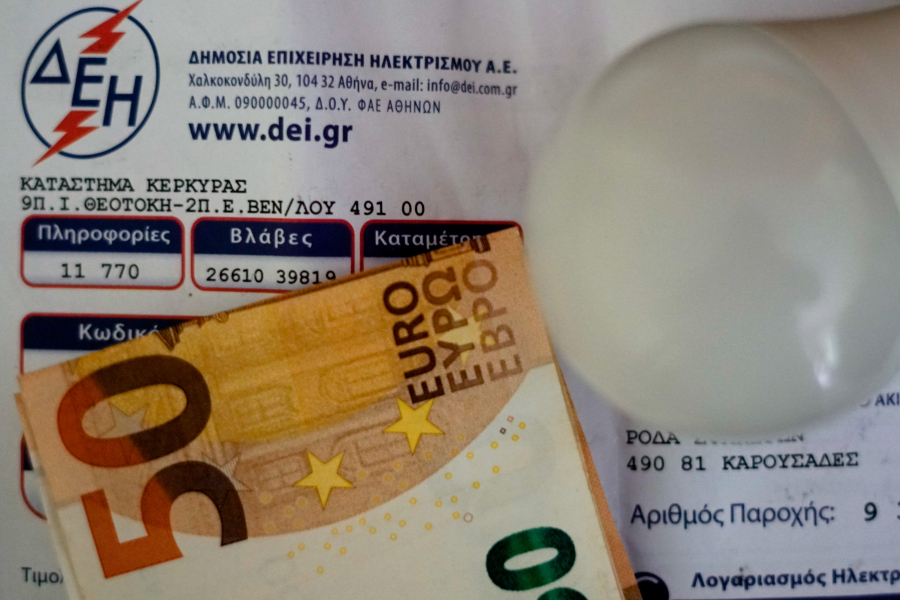

Greek authorities have uncovered an unusual suspected money-laundering scheme in which utility companies were unwittingly used to turn questionable funds into apparently legitimate bank deposits.
The method was deceptively simple. Individuals paid electricity and other utility providers substantially more than they owed, building up large credit balances. They then requested refunds, often directing the money to bank accounts different from those used for the original payments.
The result, according to Greece’s independent anti-money-laundering authority, was that funds of suspicious origin could re-enter the banking system carrying an innocuous description: a refund from a legitimate utility company. Authorities describe the practice as a highly organized attempt to obscure the original source of funds and give them the appearance of proceeds from ordinary transactions.
ΔΙΑΒΑΣΤΕ ΕΠΙΣΗΣ


Investigators found that some individuals established relationships with multiple utility providers and linked services to several properties. They then made repeated payments bearing little relation to actual bills or consumption. In many cases, the money originated from cards or other financial products held at institutions outside Greece.
Once substantial credit balances had accumulated, customers requested reimbursement into bank accounts, typically at Greek financial institutions. Investigators said that in many cases the receiving accounts differed from the accounts or payment instruments that had supplied the money initially. Some accounts received refunds from several different utility companies.
Authorities said the amounts involved couldn’t be justified by the individuals’ declared income, tax records or broader financial profiles and were therefore considered suspicious. In some cases, investigators linked the original funds to fraud, including schemes conducted through the banking system.
The investigation highlights a vulnerability in anti-money-laundering controls: criminals don’t necessarily need to move questionable funds directly between bank accounts if they can insert a legitimate company into the transaction chain.
Greek authorities have identified 10 warning signs for banks and utilities. They include payments without corresponding debts, unusually large or frequent payments, use of multiple payment instruments, large accumulated customer credits and requests for refunds to different bank accounts.
Another red flag is particularly telling: a single bank account receiving multiple refunds from several utility providers over a short period.