Greece expects its accelerated public-debt repayments to reduce annual interest costs by about €800 million, as Athens draws on accumulated cash reserves to retire bailout-era loans early and limit fiscal risks that could otherwise emerge over the coming decade.
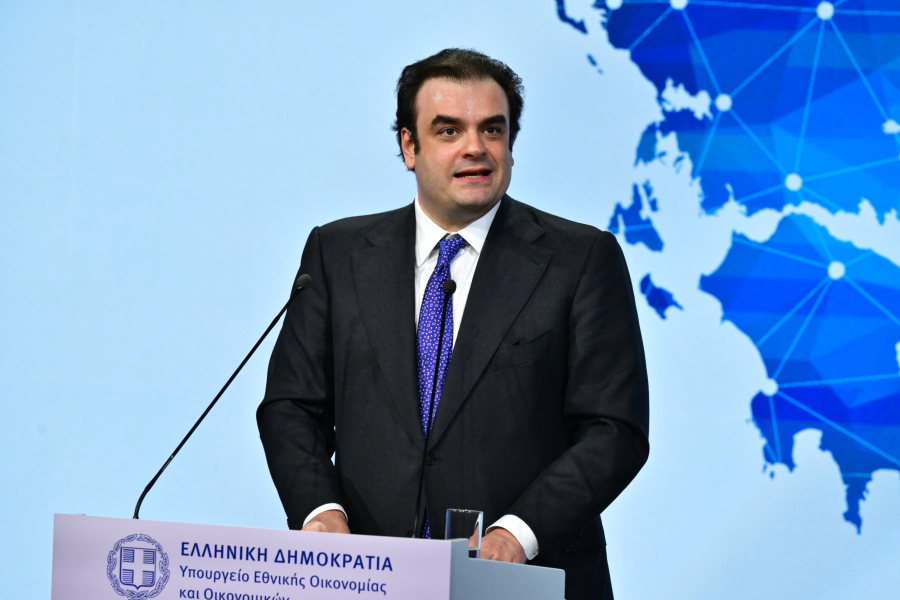
Kyriakos Pierrakakis, Greece’s Minister of National Economy and Finance and president of the Eurogroup, said the strategy goes beyond improving the country’s headline debt figures. The aim, he said, is to address liabilities left by Greece’s financial crisis before they become a renewed burden on future taxpayers.
“Easy decisions look exclusively at today. Difficult decisions look at the next generation,” Pierrakakis said, defending the government’s decision to repay debt ahead of schedule. The policy is part of a broader effort by Athens to put greater distance between the Greek economy and the sovereign-debt crisis that brought the country close to leaving the euro area and led to three international bailout programs between 2010 and 2018.
ΔΙΑΒΑΣΤΕ ΕΠΙΣΗΣ


Pierrakakis said loans associated with Greece’s first bailout shouldn’t be viewed as cheap, fixed-rate debt. Their interest rate is linked to Euribor plus 0.5 percentage point, he said, putting the current financing cost at around 3%. That makes early repayment financially attractive, particularly when the government holds cash that generates a lower return than the interest Greece pays on the debt.
Greece expects to borrow around €8 billion this year
The minister also stressed that the accelerated repayments aren’t being financed through fresh borrowing. Greece expects to borrow around €8 billion this year while making approximately €8.9 billion in regularly scheduled debt repayments. Separately, some €12.8 billion in early repayments will be financed from government cash reserves and the country’s existing fiscal surplus.
Under European fiscal rules, Pierrakakis said, those resources couldn’t simply be redirected toward additional government benefits or spending. With the cash earning less than the cost of the debt it can be used to retire, Athens sees repayment as the more economically efficient use of the funds.
The calculations also reflect a longer-term concern: 2032.
That year has long represented an important point in Greece’s postcrisis debt trajectorybecause deferred interest obligations accumulated during the bailout period are set to begin affecting the country’s public debt. Pierrakakis put the amount at between €25 billion and €30 billion, describing it as a potential “fiscal land mine.”
Even if that burden were spread over two decades, he said, it could translate into an additional annual cost of roughly €1.5 billion. By accelerating repayments now, the government argues that it can address part of that risk before it materializes. Pierrakakis said the policy would generate annual interest savings of about €800 million while closing another financial liability inherited from the crisis years.
For Greece, the strategy carries significance beyond the immediate interest bill. The country emerged from its bailout programs with one of the highest public-debt ratios in the developed world. Although the structure and long maturities of much of that debt have helped contain refinancing risks, successive governments have sought to demonstrate that the improvement in Greece’s public finances is durable.
Athens also sees lower debt as a way to create greater room for policy choices in the future. Pierrakakis linked debt sustainability directly to the amount of fiscal space available to governments, arguing that reducing liabilities today can eventually increase the resources available to support households while strengthening international confidence in the Greek economy.
The approach marks a deliberate reversal of the fiscal practices that contributed to Greece’s vulnerabilities before the debt crisis, when deficits and borrowing repeatedly shifted costs into the future.
“Greece paid a very high price for the practice of transferring its burdens to the future,” Pierrakakis said. “We will not do the same. We will not send the bill to our children again.”