

Seven years after Greece’s center-right New Democracy government came to power promising stronger growth and higher living standards, one of the country’s most politically sensitive economic battles remains unresolved: the rising cost of living.
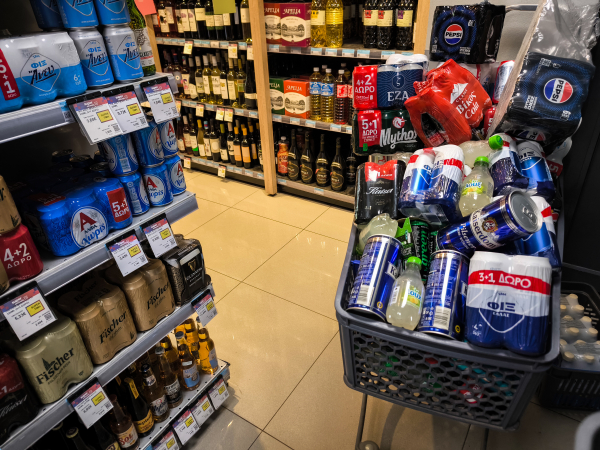
Despite repeated government interventions aimed at curbing inflation—from market inspections and price-monitoring measures to initiatives such as the “Household Basket” program designed to contain supermarket costs—the price of essential goods has risen far faster than wages, squeezing household purchasing power and fueling growing public frustration.
Data tracking the cost of a representative basket of supermarket staples show that between 2019 and 2026, the price of basic household goods in Greece climbed by more than 60%, substantially outpacing wage growth over the same period.
The cost of the basket rose from €38.63 in 2019 to €62.06 in 2026, an increase of €23.43, or 60.7%. By comparison, Greece’s gross minimum monthly wage increased from €650 to €920, a gain of roughly 41.5%.
The nearly 20-percentage-point gap highlights a central challenge facing Greek households: while incomes have risen in nominal terms, everyday expenses have increased even faster.
The divergence has become particularly visible in food prices, which carry outsized political significance in Greece, where household spending remains heavily weighted toward essentials after more than a decade of economic crises.
Potatoes, one of the country’s staple foods, nearly doubled in price over the period. A five-kilogram package that cost €3.59 in 2019 now sells for €7.10, an increase of almost 98%.
Meat prices also surged. Boneless pork rose by 84%, climbing from €4.34 to €8 per kilogram, while lamb—a traditional centerpiece of Greek cuisine and holiday meals—increased by nearly 80%, reaching €13.80 per kilogram from €7.70.
Dairy and fresh produce followed a similar trajectory. Whole milk rose more than 70%, reaching €1.82 per liter from €1.06, while lettuce prices climbed nearly 79%. Barrel-aged feta cheese, one of Greece’s most recognizable food products, increased by close to 60%.
Price pressures spread beyond fresh foods. Carolina rice rose by 53%, cola soft drinks by 54%, and Moschofilero white wine by more than 70%.
Even products that experienced relatively modest increases moved higher. Eggs rose by around 10%, flour by 13%, and powdered sugar by a similar margin, suggesting that inflation extended across nearly all categories of essential consumer goods.
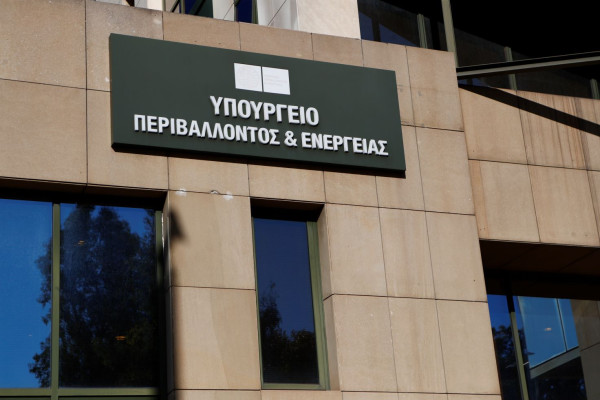
The Greek government has repeatedly linked the inflation surge to external shocks, including the energy crisis, supply-chain disruptions, Russia’s invasion of Ukraine and broader inflationary pressures that affected economies across Europe.
Yet the persistence of elevated prices years after the initial shocks has strengthened criticism from opposition parties and consumer groups that the measures introduced failed to meaningfully ease the burden on households.
The issue has become increasingly important politically because inflation arrived just as Greece was emerging from a prolonged sovereign debt crisis and attempting to rebuild living standards after years of austerity.
Instead, many households find themselves facing a different reality: higher wages on paper, but diminished purchasing power at the checkout line.