
Greece is moving ahead with its first offshore exploratory drilling campaign in nearly 50 years, betting that a high-risk deepwater well in the Ionian Sea could unlock one of the Mediterranean’s most significant untapped hydrocarbon prospects.
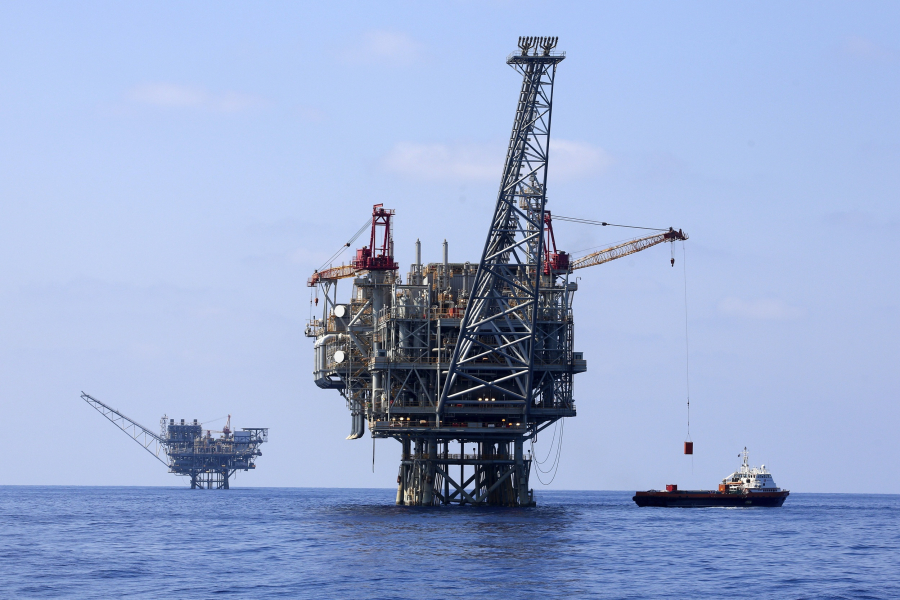
A consortium led by Energean, alongside ExxonMobil and HELLENiQ ENERGY, has signed a contract with Swedish offshore contractor Stena Drilling for the deployment of the drillship Stena DrillMAX, with drilling scheduled to begin in February 2027.
The target, known as Asopos 1, lies in Block 2 off northwestern Greece and is estimated to contain up to 270 billion cubic meters of natural gas, according to preliminary assessments by the consortium—equivalent to roughly 5 billion barrels of oil. If confirmed, the find would dwarf Greece’s annual gas consumption and potentially reshape the country’s role in Europe’s energy landscape.
Executives caution, however, that the prospect remains highly speculative. Energean Chief Executive Mathios Rigas said the well carries a 16% chance of success, a level he described as attractive by international exploration standards but one that underscores the uncertainty surrounding frontier offshore drilling.
“This is a high-risk, high-reward well,” Rigas said at the contract-signing ceremony in Athens.
The principal geological question is whether hydrocarbons migrated into the reservoir after the geological trap formed, allowing them to accumulate in recoverable quantities. Without that timing alignment, the structure may contain little or no commercially viable resource despite its scale.
The drilling campaign is expected to last roughly 60 days, with first results anticipated by late April 2027. The well will be drilled in waters 840 meters deep and extend 4,622 meters beneath the seabed. Total drilling costs are estimated at €60 million to €68 million, or approximately $65 million to $74 million at current exchange rates.
The project marks a milestone for Greece, which has long sought to revive domestic hydrocarbon exploration but has struggled for decades to convert geological promise into commercial production outside the aging Prinos oil field in the northern Aegean.
Government officials have cast the drilling campaign as a strategic step toward bolstering national energy security and positioning Greece as a more consequential energy player in southeastern Europe. The move also reflects continued interest by major international oil companies in the eastern Mediterranean despite Europe’s broader push toward decarbonization.
Before drilling begins, the consortium must secure environmental approval from Greek authorities. Energean plans to submit its environmental-impact study in June and has said the project will comply with European Union environmental standards.
Should the well result in a commercial discovery, the consortium estimates production could begin within four years of a final investment decision. Development of the field would require investment of roughly €5 billion, while projected state revenues from production could total €10 billion over 20 years.
At the development stage, ExxonMobil is expected to assume operatorship of the project.
For Greece, the stakes are considerable: failure would mean the loss of tens of millions of euros on an unsuccessful wildcat well. Success could open a new offshore energy province in a region increasingly viewed as one of the last major hydrocarbon frontiers near European markets.