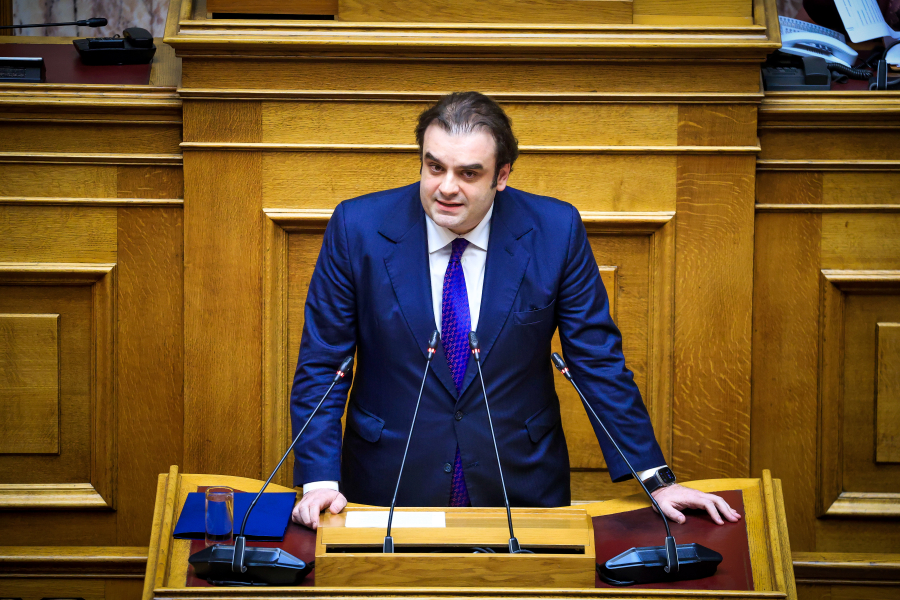

Greek Minister of National Economy and Eurogroup President Kyriakos Pierrakakis warned from Washington that the duration and intensity of the ongoing energy crisis will be decisive factors for the outlook of the European economy, as geopolitical tensions in the Middle East continue to unsettle global energy markets.
Speaking at the Semafor World Economy Forum during the International Monetary Fund’s Spring Meetings, Pierrakakis said a prolonged disruption to shipping through the Strait of Hormuz could have significant repercussions for global energy supplies and critical raw materials, driving further volatility in international prices. While Asian economies remain the most directly exposed, he noted that the effects are already being felt worldwide.
Pierrakakis said the European economic outlook is deteriorating, with growth forecasts being revised downward and inflation expectations moving higher, adding that the scale of the impact will depend largely on how long the crisis persists and how severe it becomes. Even in the most optimistic scenario, he said, restoring normal energy flows will take time, while geopolitical risks are likely to keep upward pressure on prices.
He said European governments are preparing targeted and temporary support measures to shield vulnerable households and preserve business liquidity, drawing on the policy framework developed during the continent’s 2022 energy crisis. At the same time, he argued that Europe must accelerate broader structural reforms, including efforts to deepen the EU single market, remove internal barriers to growth, and direct more private savings into productive investment.
Turning to Greece, Pierrakakis said the country’s improved fiscal discipline, structural reforms and rapid digitalization of public administration have strengthened investor confidence and helped place public debt on a downward trajectory. He added that Greece’s experience during its debt crisis demonstrated both the importance of sustained reform momentum and the high social cost of delayed policy action.
Despite mounting geopolitical and economic tensions, Pierrakakis said transatlantic relations remain strategically important and that cooperation between Europe and the United States will continue to be critical in sectors such as energy and technology.
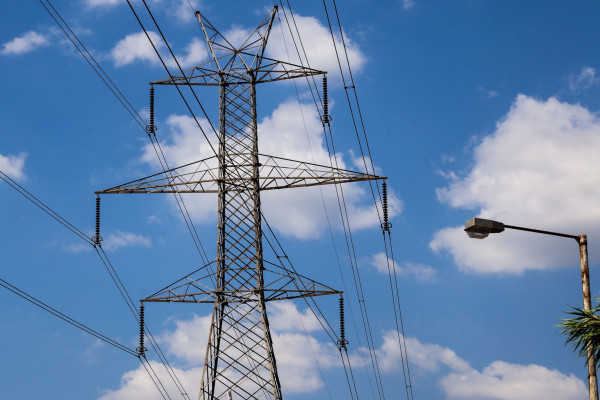
He also cautioned that a prolonged period of elevated energy prices could generate broader political pressures across Europe, stressing that timely investment in energy infrastructure, electricity grids and storage capacity will be essential to cushioning the effects of the crisis while maintaining social cohesion and public trust.