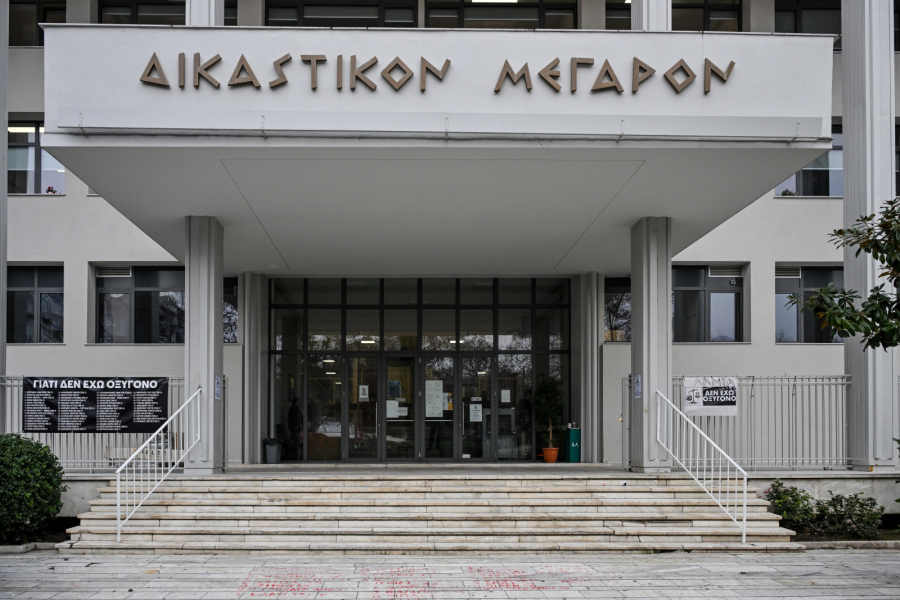
The Athens administrative court found that the Greek state, through the Ministry of Infrastructure and Transport, failed to properly supervise railway safety and that this failure contributed to the circumstances that led to the fatal collision, which the court said could have been prevented.
The ruling, which awarded compensation to relatives of two victims, is the first court decision on civil claims related to the Tempi disaster and is seen as setting an important legal precedent for further lawsuits expected in the coming months.
In its reasoning, the court concluded that key railway safety systems were either not functioning or had not been fully implemented at the time of the accident. These included signalling systems, remote traffic control, automatic train protection systems and railway radio communication systems. According to the court, the presence and proper operation of these systems would have prevented the collision, even if human error had occurred.
The judges found that the absence of these safety systems meant that railway operations relied heavily on human instructions and manual procedures, increasing the risk of a serious accident. The court concluded that the initial mistake made by the station master could have been corrected or neutralised if modern safety and monitoring systems had been in operation.
The ruling also pointed to longstanding structural problems in the supervision of railway safety. The national railway safety authority was found to be understaffed and unable to adequately carry out its oversight responsibilities, given the complexity of the railway system and the technological requirements involved in monitoring safety systems and infrastructure.
The court further noted that railway workers’ unions and sector organisations had repeatedly warned authorities about safety deficiencies, poor infrastructure maintenance and non-functioning safety systems in the years before the disaster. These warnings, addressed to the Ministry of Infrastructure and Transport, highlighted the risk of a major accident if safety issues were not addressed.
Despite these warnings and the known problems with railway infrastructure and safety systems, the court concluded that the Greek state failed to take the necessary measures in time to ensure the safe operation of the railway network. This failure, the court said, amounted to a negligent exercise of its supervisory responsibilities and contributed directly to the fatal outcome.
The judges also noted that after the disaster the government launched a broad programme to upgrade railway infrastructure and safety systems, including signalling and automatic train protection technology, reinforcing the conclusion that measures that could have prevented the accident were implemented only after the tragedy.
The Tempi train disaster, one of the deadliest rail accidents in Greek history, triggered mass protests and widespread public anger over infrastructure failures, safety standards and political responsibility. The court’s decision is likely to play a significant role in the legal and political aftermath of the disaster, as more cases brought by victims’ families move through the courts.