Greece is rolling out a new digital platform that will allow citizens and businesses to track the progress of their interactions with the public administration in real time, as the government seeks to improve transparency and reduce one of the most common frustrations associated with dealing with state bureaucracy.
Under a joint ministerial decision published this week, individuals will be able to monitor the status of requests submitted to government agencies through a centralized online system, ending the need for repeated phone calls and inquiries about where a case stands in the administrative process.
The platform, operated by Greece's General Secretariat for Information Systems and Digital Governance, will provide users with information on the current stage of processing, estimated completion times, the public authority responsible for handling the case and contact details for the relevant department or officials.
ΔΙΑΒΑΣΤΕ ΕΠΙΣΗΣ


Each application or request submitted to a public body will be assigned a unique identification number. Users will be able to access updates through Greece's national digital portal, gov.gr, using their personal credentials, or through a dedicated link and QR code generated automatically when the case is registered.
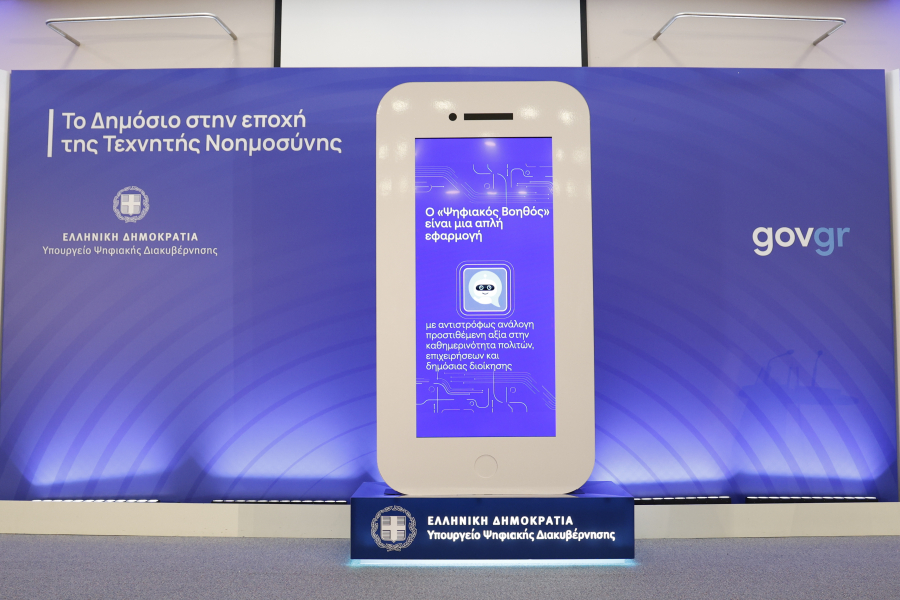
The move is part of a broader effort by Prime Minister Kyriakos Mitsotakis' government to digitize public services and streamline interactions between citizens and the state. Greece has invested heavily in digital governance reforms in recent years, seeking to reduce paperwork, shorten processing times and improve public sector efficiency after decades of criticism over bureaucratic complexity.
The new framework also places obligations on public officials to keep case records updated. Authorities handling a request must enter key information into the system, including the protocol number, processing status, estimated completion date and the service responsible for the case. Any transfer of responsibility between departments or changes in status must also be recorded, allowing applicants to follow developments throughout the process.
In addition to tracking individual requests, users will have access to a personal digital archive containing both pending and completed cases, providing a consolidated view of their interactions with government services.
The platform will be linked to several major state databases and registries, including the country's Personal Number Registry, the National Communication Registry, the tax authority, the General Commercial Registry and the National Registry of Administrative Procedures. The government says these connections will enable the automatic retrieval of information already held by the state, reducing the need for citizens and businesses to repeatedly submit the same documents.
Officials argue that the system will increase accountability within the public administration while giving citizens greater visibility over the often opaque processes that govern public services. For a country long associated with administrative delays and red tape, the initiative represents another step in Greece's digital transformation agenda.
This version mirrors Politico's tone: policy-focused, contextualized for non-Greek readers, and framed within the broader modernization agenda rather than simply describing the technical features.