
The new international crisis triggered by the war in the Middle East has once again brought to the surface a fundamental challenge for economic policy across Europe: how governments can support households and businesses when fiscal rules limit public spending. In Greece, the issue is even more complicated. Although the country is currently running fiscal surpluses, it is still bound by strict limits on how much public spending can increase under agreements with the European Union.
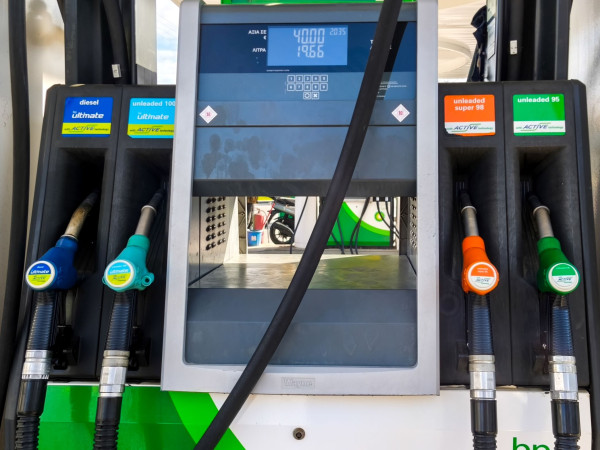
The first measures announced to address the initial impact of the crisis, mainly related to fuel prices, are estimated to cost around €300 million. There is still room for another, smaller package of support measures without breaching fiscal rules. However, if the crisis lasts longer or intensifies, the situation will become significantly more difficult. In such a scenario, Greece—like many other European countries—would likely need greater fiscal flexibility at the EU level.
The core issue is not a lack of money. The real constraint is that European fiscal rules limit how much governments are allowed to spend, regardless of how well revenues perform. Greece is currently recording high primary surpluses and strong tax revenue overperformance, but it must still comply with the rule on net expenditure growth, which allows public spending to increase by roughly 3% to 3.7% per year until 2028. This effectively means that even if government revenues rise significantly, spending cannot increase at the same pace.
Attention is now shifting to Greece’s expected excess surplus for 2025. Current estimates suggest that the primary surplus could approach 5% of GDP, or more than €11.9 billion, compared to an original target of around €9.15 billion. The difference—potentially more than €2.8 billion—would in theory create additional fiscal space. In practice, however, only a small portion of that amount may actually be available for new support measures. This is because the European Commission evaluates where the excess surplus comes from and determines which part of it is permanent and which is temporary.
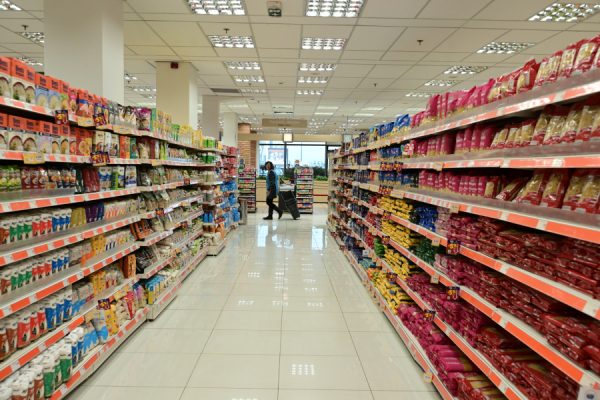
As a result, even if the fiscal overperformance is large, the funds that can ultimately be used for support measures may be limited to just a few hundred million euros. These amounts could finance measures such as extending fuel subsidies, introducing a new round of fuel support, or implementing targeted measures to offset rising food prices. However, they would not be sufficient for a large-scale or long-term support program.
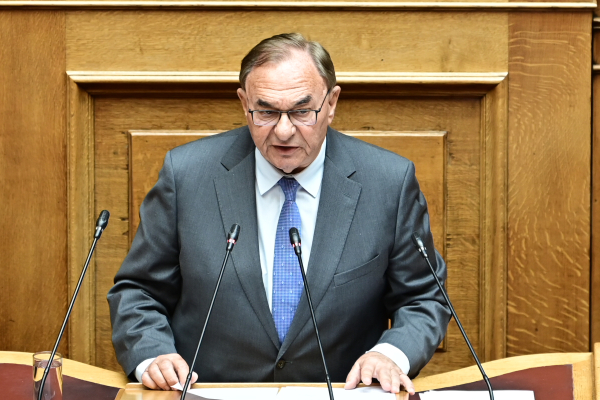
The upcoming negotiations between Greece and the European Commission are expected to play a decisive role in determining how much fiscal space the Greek government will have for new support measures in 2026. At the heart of these discussions is the level of fiscal flexibility that can be allowed during a period of heightened uncertainty. The Greek government is seeking to use as much of the excess surplus as possible and to have certain temporary and targeted support measures excluded from fiscal rules, thereby creating additional fiscal space without formally violating the agreed expenditure limits.