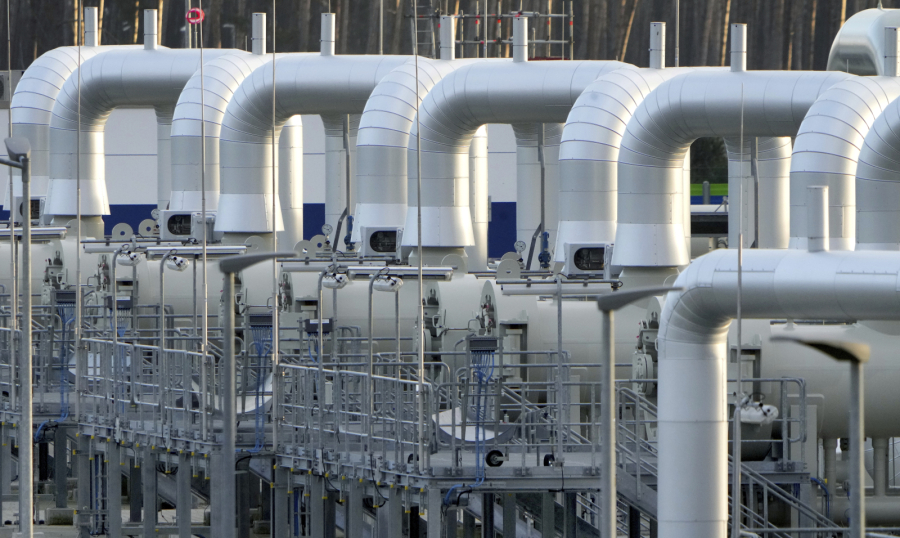

Natural gas currently accounts for roughly 54% of Greece’s electricity generation mix, which means that any significant increase in international gas prices is almost immediately reflected in electricity bills for households and businesses.
This is largely due to the way the European electricity market operates. Electricity prices are not determined by the average cost of producing power, but by the most expensive power plant required to meet demand at any given time. In most cases, that marginal producer is a natural gas-fired power plant. As a result, even when a large share of electricity is generated from renewable energy sources such as wind and solar, the final market price is often still set by natural gas. This pricing mechanism makes electricity prices across much of Europe highly sensitive to fluctuations in global gas markets.
For Greece, this dependence creates several economic risks. Electricity bills tend to be more exposed to international crises than in countries that rely more on nuclear power or have a significantly higher share of renewables. At the same time, the country’s trade deficit can widen because Greece must import large quantities of natural gas at higher prices. There is also a broader energy security risk if there are disruptions in liquefied natural gas (LNG) supplies.
If natural gas prices were to double, wholesale electricity prices would likely rise sharply, and those increases would eventually be passed on to households and businesses. This would push up inflation, increase production costs for companies, and ultimately lead to higher prices for goods, services, and even rents.
Across Europe, the situation for now appears relatively manageable despite disruptions in global gas flows caused by the conflict in the Middle East and the effective closure of the Strait of Hormuz, a key route for global energy shipments. Although around 20% of global LNG passes through that region, only about 8% of the European Union’s LNG imports come from there, meaning Europe’s immediate gas supply is not directly at risk in the same way it was during the 2022 energy crisis following Russia’s invasion of Ukraine.
However, the indirect effects could be significant. Europe depends heavily on imported natural gas, and increased global competition for LNG cargoes is already pushing prices higher. If international gas prices were to double, the European Union’s import costs could increase by roughly €100 billion over the next year. This is particularly notable given that the EU already spent around €117 billion on natural gas imports in 2025.
Another source of concern is that roughly one quarter of Europe’s LNG imports come from the United States, while Asian buyers often offer higher prices to secure LNG shipments. There are already signs that some LNG cargoes have been diverted from Europe to Asia following the latest Middle East tensions. At the same time, Europe’s planned phase-out of Russian LNG by 2027 will further reduce available supply options.
Rising natural gas prices do not affect all European countries equally. Countries that rely heavily on gas for electricity generation, such as Italy and Ireland, are more exposed to price increases, while countries with large shares of nuclear or renewable energy are less affected. Spain is often cited as an example, as its rapid expansion of wind and solar power has reduced the number of hours during which natural gas determines electricity prices.
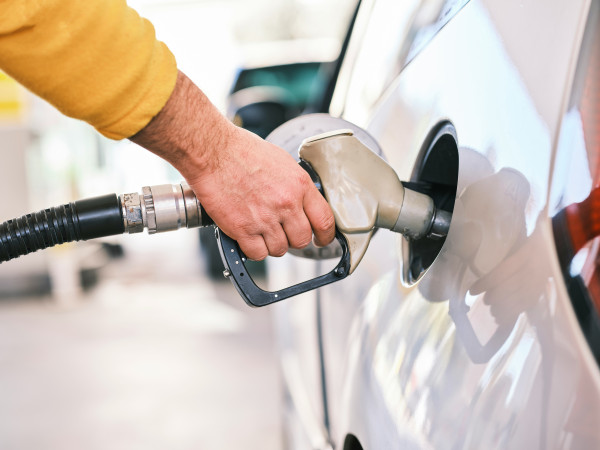
European governments are now preparing for the possibility of a prolonged period of high natural gas prices and potential tightness in the global LNG market. One of the main priorities is to fill gas storage facilities ahead of the winter of 2026–2027, although storage levels at the start of 2026 were lower than in previous years, making this process more difficult and more expensive.
In the short term, some countries are also considering temporarily increasing the use of other fuels, such as coal, to reduce gas consumption for electricity generation. However, as more countries turn to coal, global coal prices are also rising. The European Union is also trying to coordinate with other major LNG importers, including Japan and South Korea, to avoid bidding wars that could push LNG prices even higher.
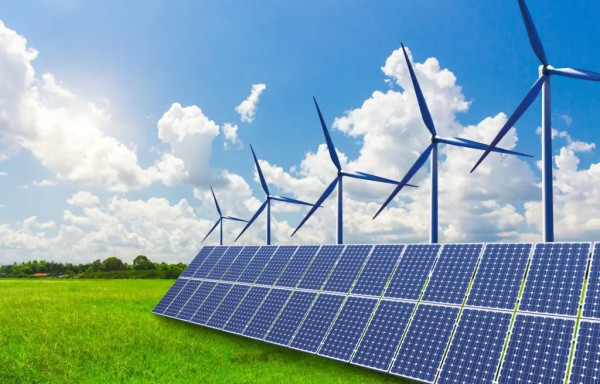
In the longer term, both Europe and Greece are expected to focus on reducing dependence on natural gas by electrifying heating and transport, expanding the use of heat pumps, and accelerating the development of renewable energy. Without such changes, every international energy crisis will continue to pass through almost directly into electricity prices, the cost of living, and the broader economy.